
Textile Heritage and Tech: How Kashmir Craftswomen are Adapting to The Digital Era
Kashmir's craftswomen are proving that centuries-old traditions and digital-age tools aren't at odds, they're allies. From Sozni embroiderers stitching intricate patterns by hand to mehendi artists and calligraphers building followings on Instagram, this piece explores how women artisans are using social media, verification platforms, and direct-to-consumer sales to gain visibility, protect their craft from counterfeits, and turn heritage skills into sustainable livelihoods. It's a story about identity, resilience, and what ethical fashion can look like when technology serves tradition rather than replacing it.
Srinagar, Kashmir: In the quiet lanes and home workshops across Kashmir, a subtle yet powerful transformation is underway. It is being led by women artisans who are preserving centuries old traditions through fashion while quietly redefining sustainability in the global industry.
Across the region, embroidery and hand weaving are not simply techniques but inherited knowledge systems. Crafts such as Sozni embroidery and Aari embroidery demand years of skill and precision. These techniques are used to create garments like the traditional Pheran, along with finely detailed shawls and scarves that carry cultural identity within every stitch.
For many artisans, this work is deeply personal.
Tahira Jan, a Sozni embroider from Anantnag, describes her craft as both livelihood and legacy. “Weavers like me never had a voice, now we are on a global map,” she says, reflecting on how digital platforms have begun to transform visibility for artisans like her.
This growing visibility is being driven in part by new digital initiatives and fashion brands that are bridging tradition with modern markets. Platforms like Craftlore are helping artisans document their work and reach wider audiences, while also protecting authenticity in a market increasingly flooded with imitations.
It is a non-commercial, public-interest intelligence platform built to address opacity, counterfeit circulation, weak buyer awareness, and exploitative value chains in Kashmir crafts. It makes craft knowledge, verification, and transparency more accessible, reliable, and useful for artisans, buyers, researchers, and institutions.
At the same time, emerging fashion labels are working directly with artisans to bring handcrafted pieces into contemporary wardrobes. Brands such as Poshkaar, which showcases traditional embroidery in modern silhouettes, emphasise slow fashion values where each piece can take between 40 to 120 hours of handwork.
Similarly, Sozni House, founded by Tasiya Jan, focuses on preserving pashmina weaving while creating opportunities for women artisans. The brand works closely with local craftspeople, many of them women, to produce hand embroidered textiles that combine heritage with contemporary appeal.
Another example is Urzuv, which offers fully hand embroidered garments including pherans and dupattas, maintaining a strict commitment to no machine work and overseeing every stage of production locally.
These brands are increasingly using Instagram as a primary platform to showcase their collections, connect with audiences, and tell the stories behind their garments. For many artisans, this digital presence has become a crucial tool for survival and growth.
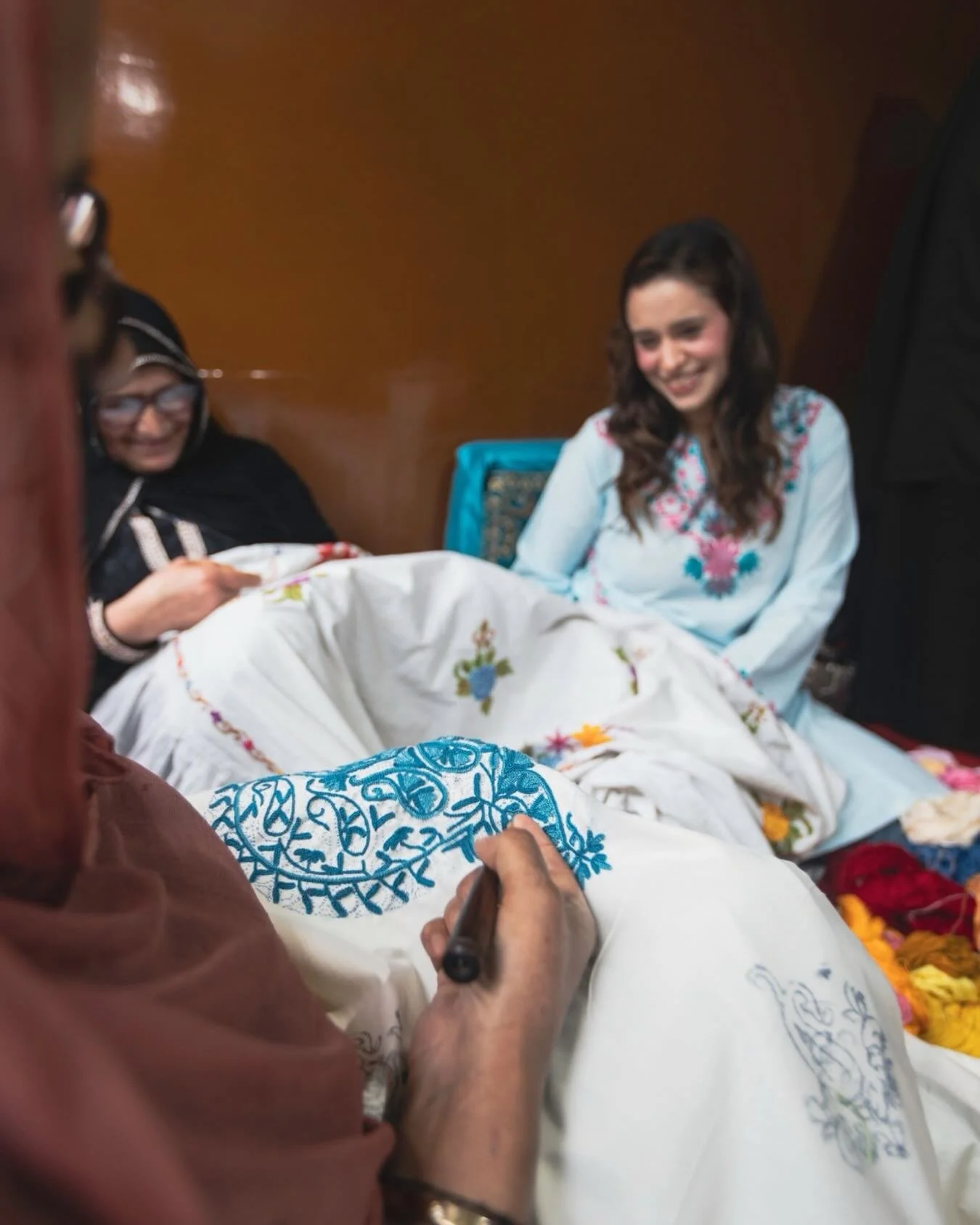
IMAGE FROM URZUV INSTAGRAM
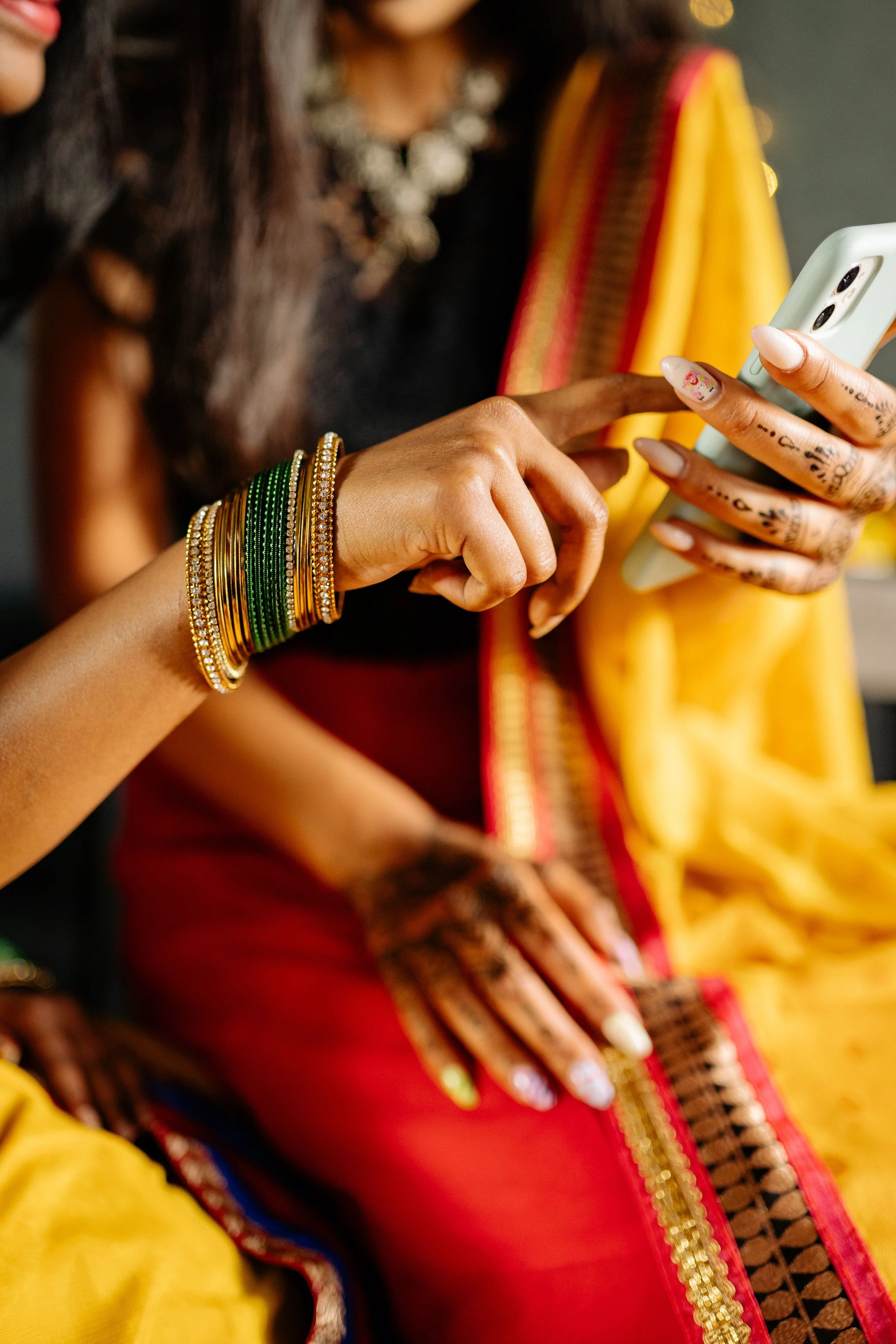
Aisha, a mehendi artist said, digital platforms have changed how small women led businesses promote themselves and attract clients. “Most of my work now reaches people through Instagram reels, online sharing, and customer recommendations on social media. Earlier, publicity depended mainly on word of mouth, but digital platforms have made promotion faster and more accessible. They also allow women working from home to manage businesses independently, communicate directly with clients, and showcase their creativity without needing a physical shop,” she said.
Tasiya Jan explains the deeper purpose behind her work, noting that craftsmanship has the power “to uplift communities and preserve traditions for generations.” Her approach reflects a broader shift where artisans are not only preserving heritage but actively shaping the future of fashion.
Economically, this shift is significant. Income generated through embroidery and weaving supports households, enables education, and provides women with a greater sense of independence. An increasing share of income now comes through digital visibility and online sales channels, particularly for younger artisans and small craft collectives who use social media and e-commerce to bypass traditional middlemen. Platforms such as Instagram, Facebook, and online marketplaces allow artisans to directly showcase products, take custom orders, and communicate with buyers outside Kashmir. Some also rely on messaging platforms like WhatsApp for repeat customers and personalised sales. For many, the craft is no longer just cultural inheritance but a viable and empowering profession.
Yet challenges remain.
One of the most pressing issues is the rise of machine made imitations that replicate traditional designs at a fraction of the cost. These products lack the quality and authenticity of handmade work, but they dominate markets due to affordability and scale. Initiatives like Craftlore have emerged partly in response to this, aiming to verify and protect genuine craftsmanship from counterfeit competition.
Visibility also continues to be uneven. While some artisans and brands have successfully built an online presence, many still face barriers such as limited digital literacy and access to technology. Spaces like Craftlore which are helping craftswomen how to be digitally savvy. Their mission includes delivering deep-dive intelligence on Kashmiri crafts, transform the colonial business narrative of Kashmiri crafts by adopting a science-based approach that documents the history, material sourcing, and production techniques through data, develop a universal craft price model, develop Kashmir as a globally recognized brand by positioning its crafts as verified, authenticated, and scientifically documented cultural assets.
Despite these constraints, there is a growing sense of adaptability among women artisans. Younger generations are engaging with traditional techniques in new ways, blending heritage embroidery with modern silhouettes and global fashion sensibilities. Labels highlighted by publications like Vogue India have demonstrated how Kashmiri craftsmanship can be reinterpreted for contemporary audiences while still retaining its cultural essence.
Arshia, a young calligraphy artist, said social media has created new opportunities for young artists to showcase their creativity beyond local markets. “Instagram has become more than just a platform for posting pictures; it is now a space where artists can tell stories, interact with audiences, and build their identity. Earlier, opportunities were limited to exhibitions or local networks, but digital platforms allow our work to travel globally and reach people who genuinely appreciate handmade art,” she said.
Another element that distinguishes these artisans within the global fashion landscape is their natural alignment with sustainability. Their processes rely on manual labour, natural materials, and time intensive techniques. In contrast to fast fashion, which prioritises speed and volume, their work values patience, quality, and longevity.
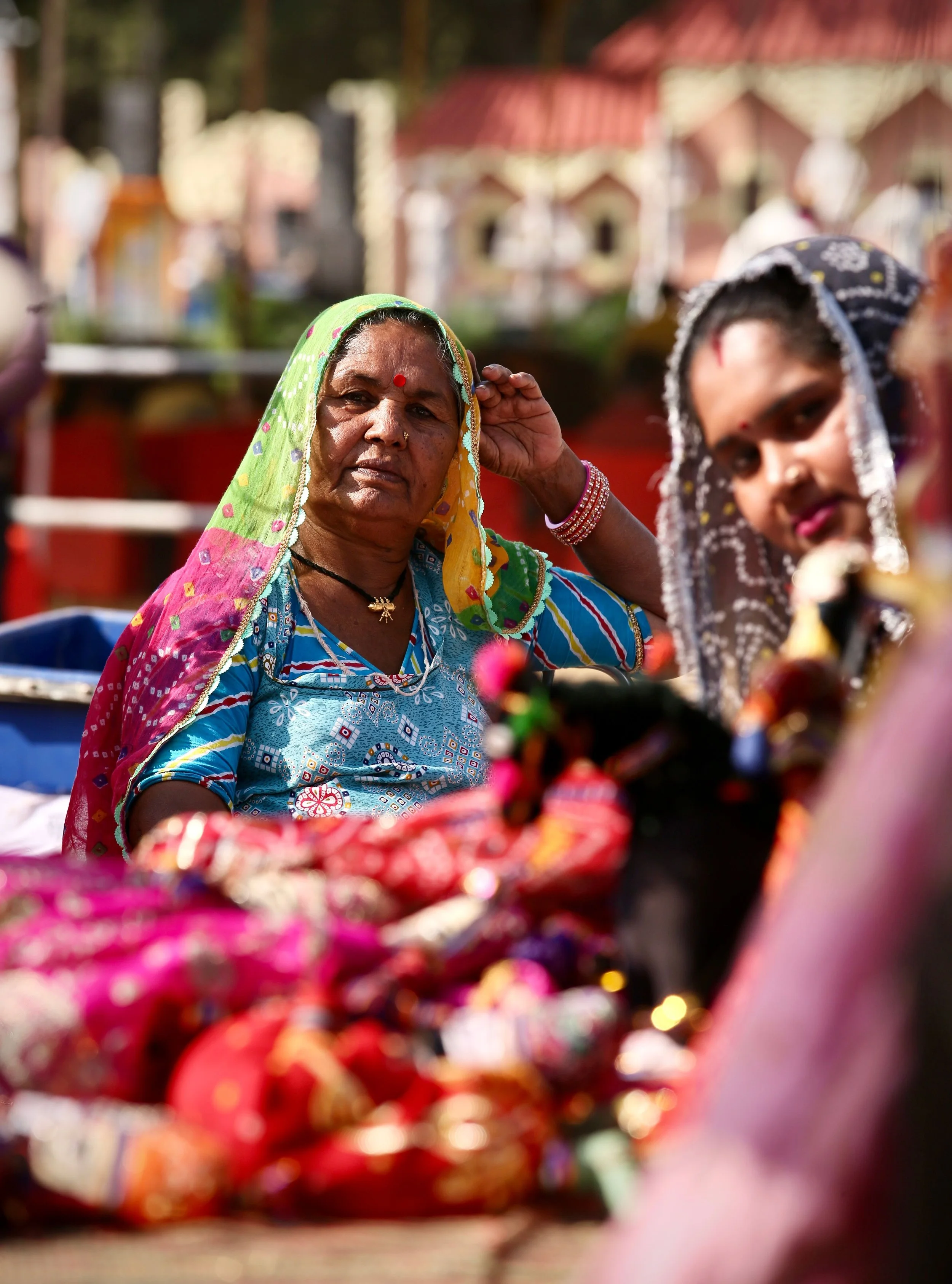
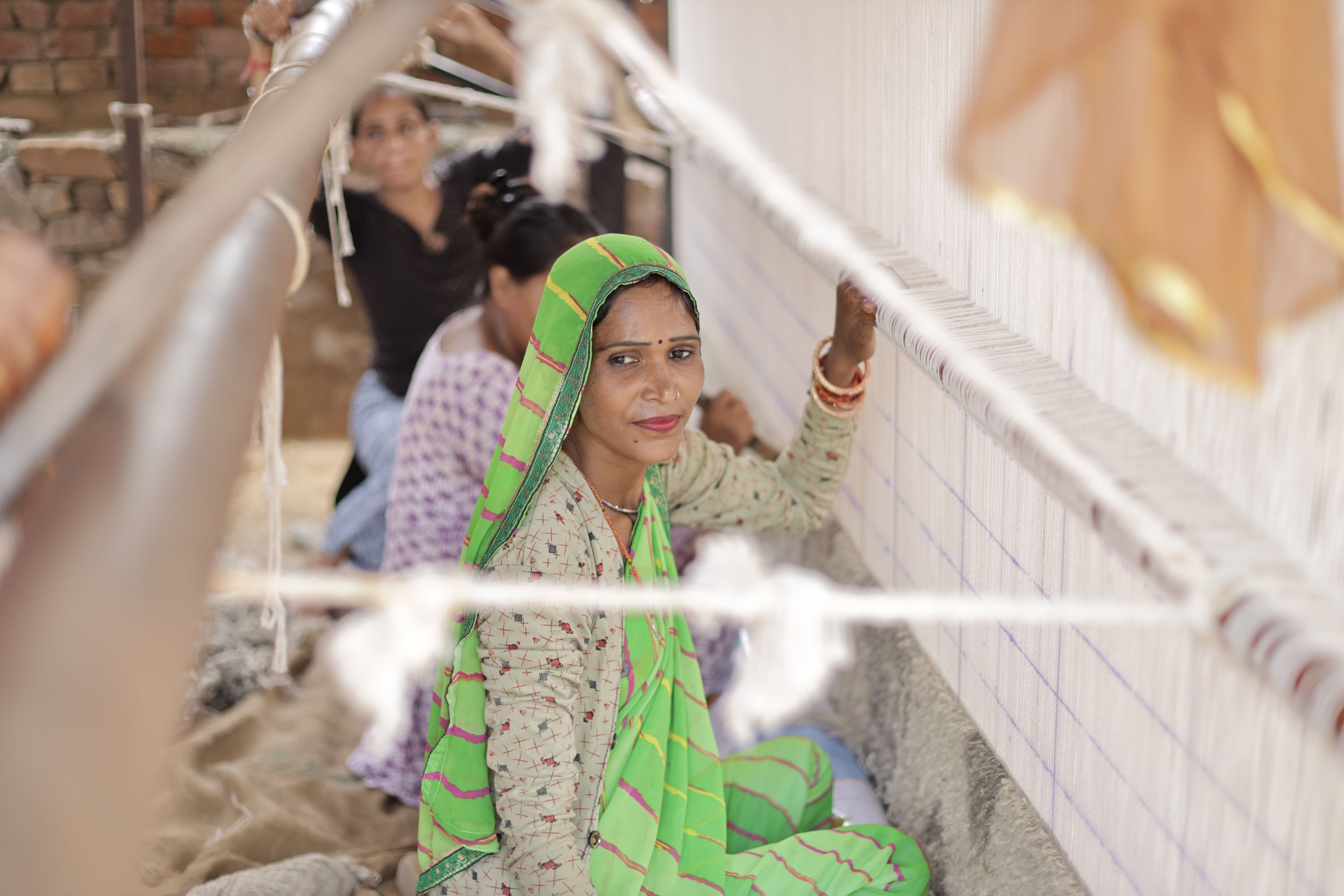
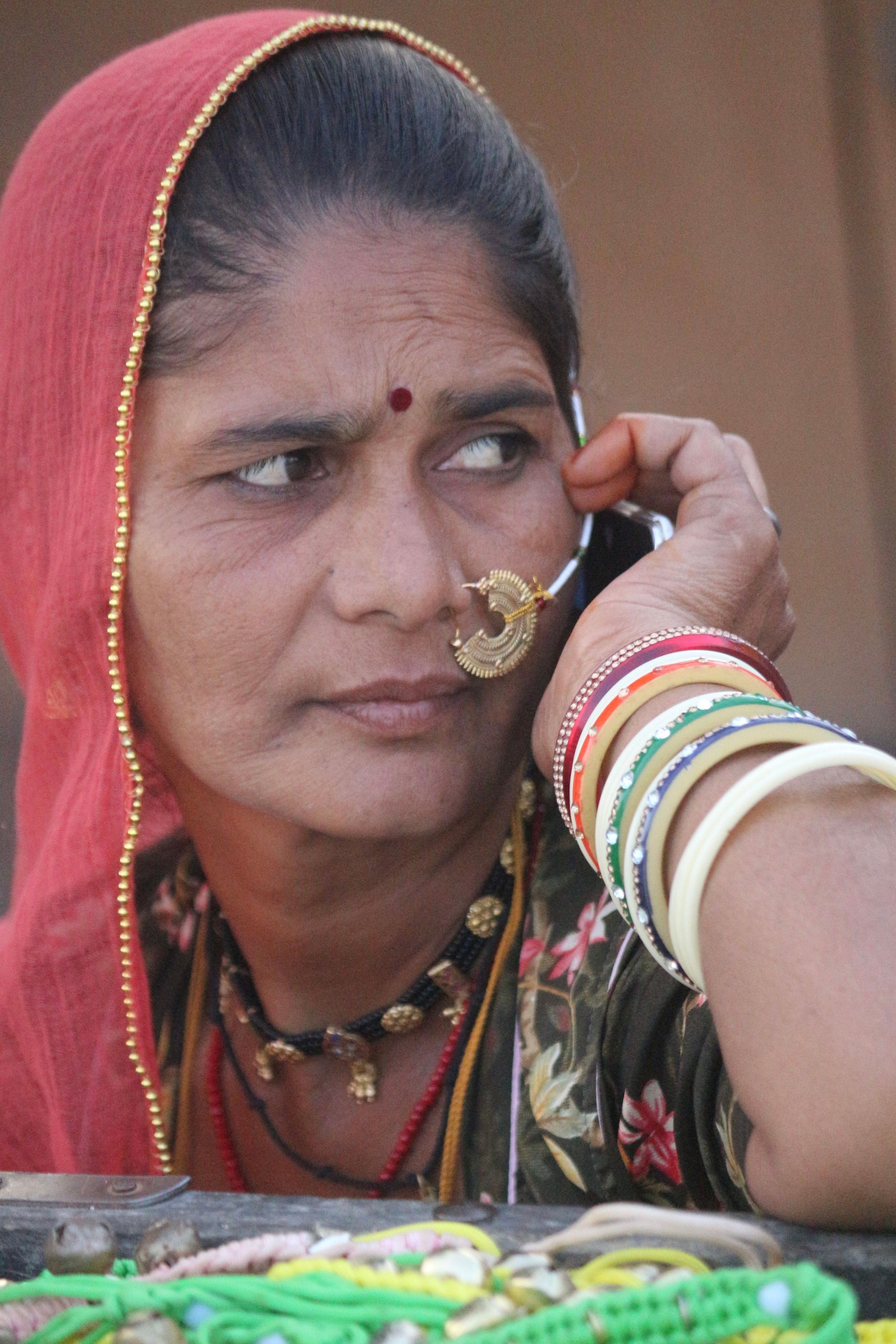
Equally important is how these stories are documented. Portraits that capture the faces of artisans alongside images of them at work bring depth to the narrative. Many artisans appreciate being photographed and featured because it gives visibility to their craft, preserves cultural heritage, and can improve recognition and income. Portraits often humanize the work, allowing audiences to connect with the maker rather than seeing the garment as just a commercial product. They highlight not only the finished garments but also the human skill and dedication behind each piece.
As we move into an increasingly AI-led digitised consumer model, further education about how to have an impactful and lucrative digital presence will be key in the coming decades. Sustainability minded consumers wanting to support human-first and human-made crafts still want to easily access them online, delivering this will be key in keeping these brands going. However, turning away from the mindset of selling elsewhere could also be a way to enhance these women’s livelihood: selling their crafts at home to local consumers can mean more longevity too. No matter which avenue they chose to nurture, their work goes beyond fashion. It is about identity, resilience, and continuity. And in an industry searching for more ethical and sustainable pathways, their craft offers a compelling vision of what the future can look like.