
Forest, Thread, Identity: The Fashion Movements Retelling The Story of Brazil
The most refreshing aspect of Brazil’s sustainability movement is that it never attempted to replicate the European model. While much of Western fashion has associated ethical design with minimalism, neutrality, and quiet luxury, Brazil developed a different visual and cultural language, one where colour, craftsmanship, biodiversity, and cultural heritage are not exceptions to sustainability but part of its foundation. We explore how sustainability goes beyond using organic materials, into the preservation of communities, ancestral techniques, while brands like Farm Rio reintroduced colourful mindfulness into sustainable fashion.
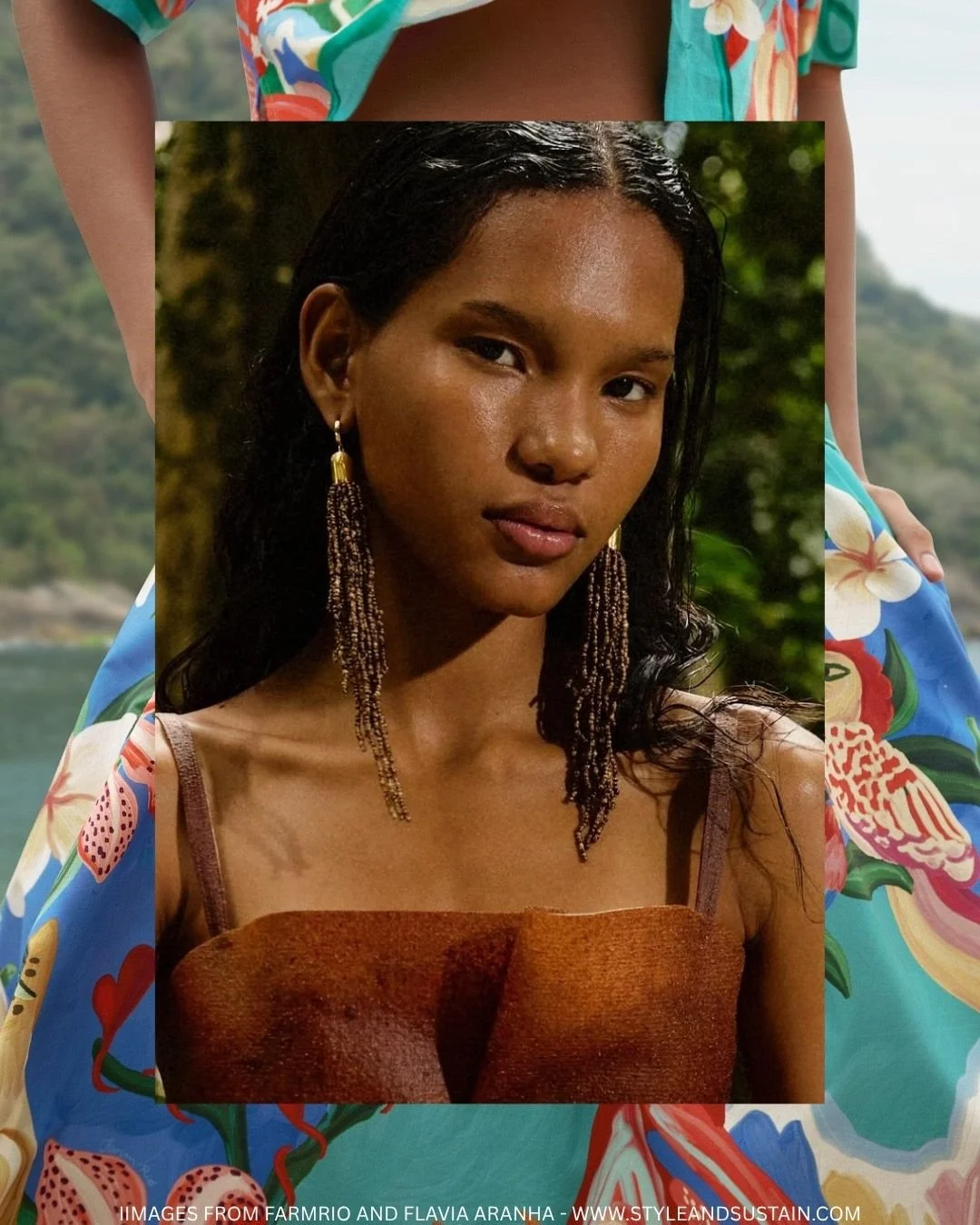
The Brazilian textile industry is massive, with 10 billion garments being produced each year and the Amazon rainforest acting as the world’s number one breeding ground for the leather textile industry. For years, it was seen by the global industry as a textile powerhouse marked by excess: mass production, accelerated consumption, and a vibrant aesthetic constantly fueled by new trends. But while fast fashion dominated much of the Latin American market, something different began to emerge within Brazilian fashion. A slow, imperfect transformation deeply connected to cultural identity, territory, and community.
Today, sustainability in Brazil is no longer just an aesthetic trend. Over time, it has become a political, social, and creative conversation that is reshaping how Latin American fashion positions itself globally. It is formed not only by designers and brands but also by Indigenous communities and traditional knowledge systems that have long sustained different relationships with land, biodiversity, and material culture. In many cases, these perspectives existed long before sustainability became an industry term. What they bring is another logic entirely, one that challenges how fashion defines value, ownership, and progress. Increasingly, all of these perspectives sit within the same conversation.
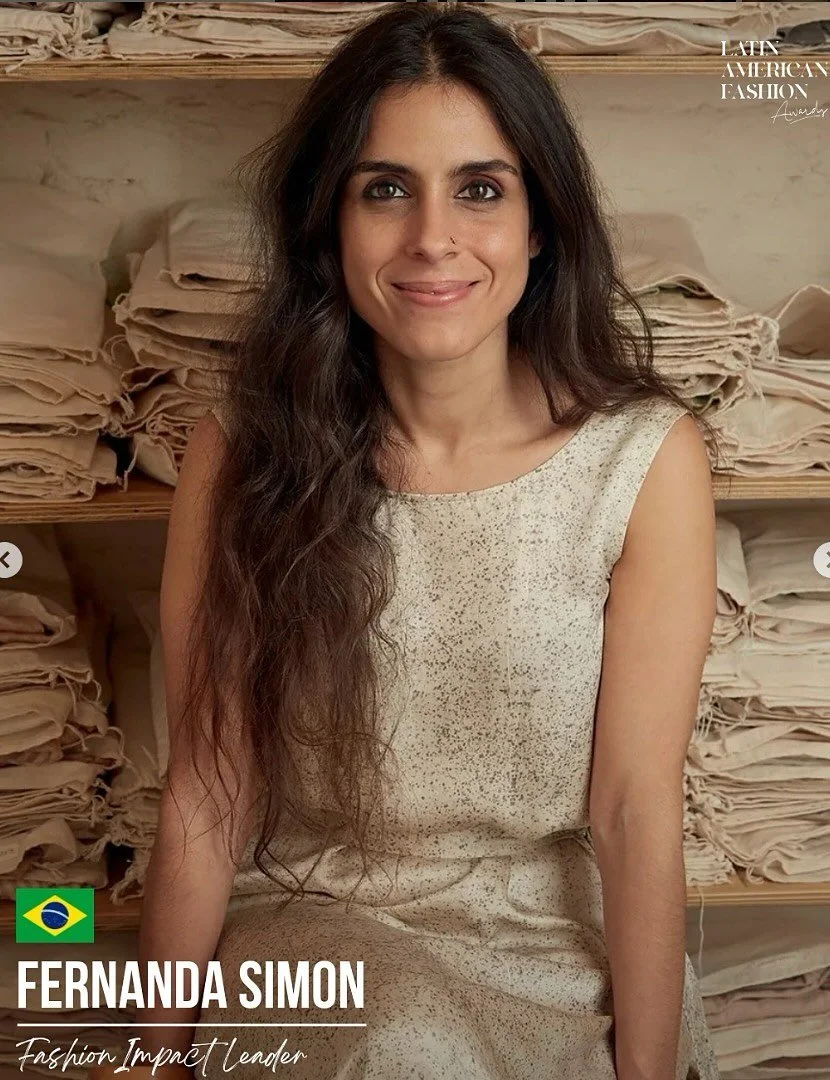
We spoke to Fernanda Simon, Director of Fashion Revolution in Brazil, who started her story in this ecosystem. Having studied Fashion Design, the true cost of the fashion industry in Brazil started to sink in, especially after learning about the impact this industry has on the Amazon forest. Fernanda founded one of the movements in Brazil that would help define what sustainable fashion means in the country: Fashion Revolution Brazil.
From 2013, she led the movement as Executive Director , while also working as a contributing Sustainability Editor for Vogue Brazil. Her broad activism work drove change within existing spaces such as her community, brands she worked with, the media and the government of Brazil. Her mission was loud and clear: change starts from the inside out.
“I believe change can happen in everyone and I do believe that it is essential to start this change within ourselves, to be open to what is happening in the world. We must open our minds and our hearts to the reality of the planet now. To use fashion as a force of transformation, not just something that keeps us alienated from the world.”
In the beginning, conversations around fashion and sustainability in Brazil were very limited, Fernanda tells us. Seeing how passionate the people of Brazil are about the topic now, Fernanda admits that it needed to be built and was a work in progress since 2014. Often, conversations about fashion and sustainability are centred around the Global North. The lack of data, resources and materials pertaining to fashion and sustainability-related issues in Latin America, is what initially contributed to the lack of awareness in Brazil, according to Fernanda. Over the years, she and her team worked locally to produce and promote their own research, share materials produced by local people and lead projects to support other movements. This is some of the key work that built Brazil’s sustainable fashion market, carving out its unique identity.
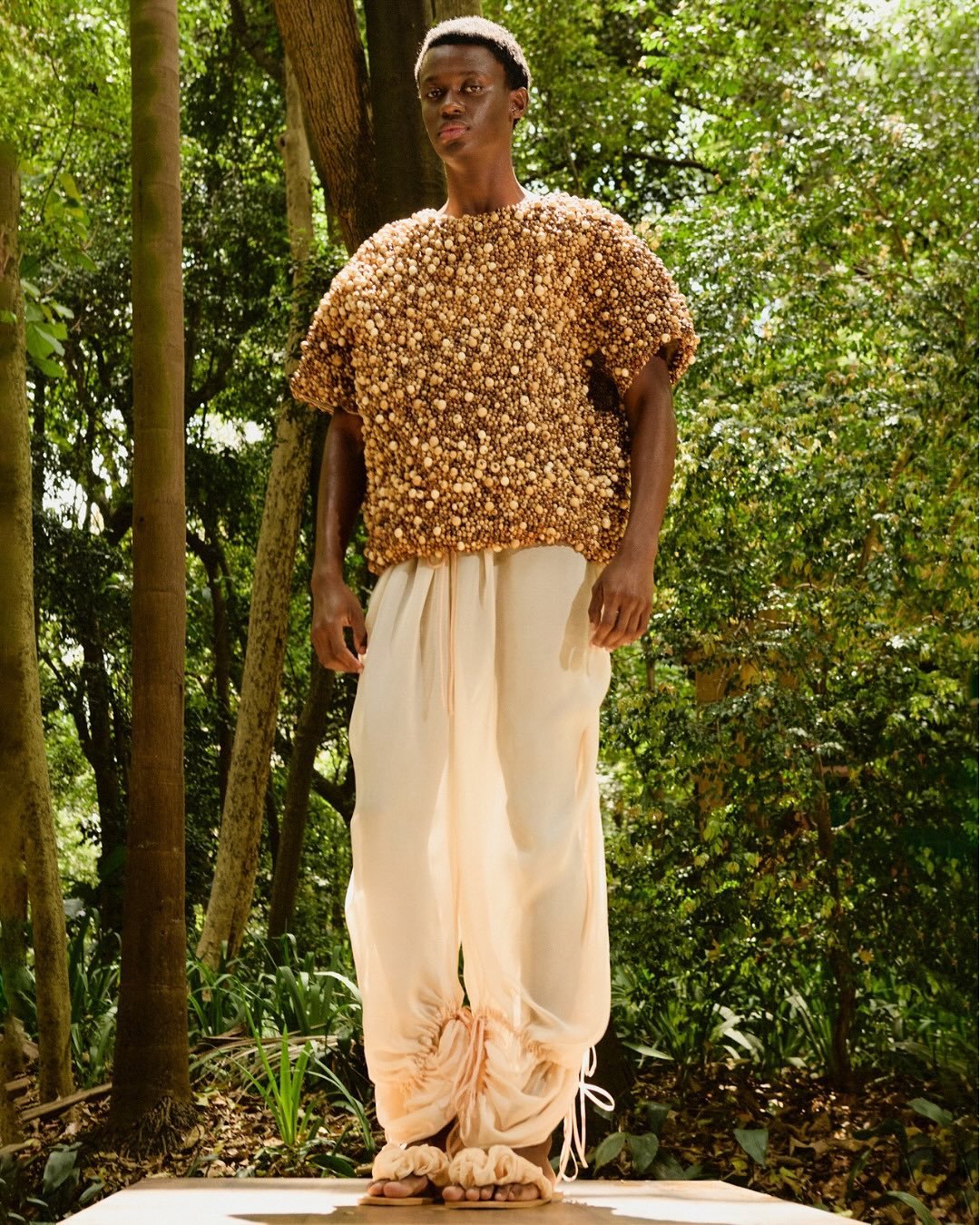
And perhaps the most refreshing aspect of Brazil’s sustainability movement is that it never attempted to replicate the European model or any other dominant global framework. While much of Western fashion has associated ethical design with minimalism, neutrality, and quiet luxury, Brazil developed a different visual and cultural language, one where colour, craftsmanship, biodiversity, and cultural heritage are not exceptions to sustainability but part of its foundation.
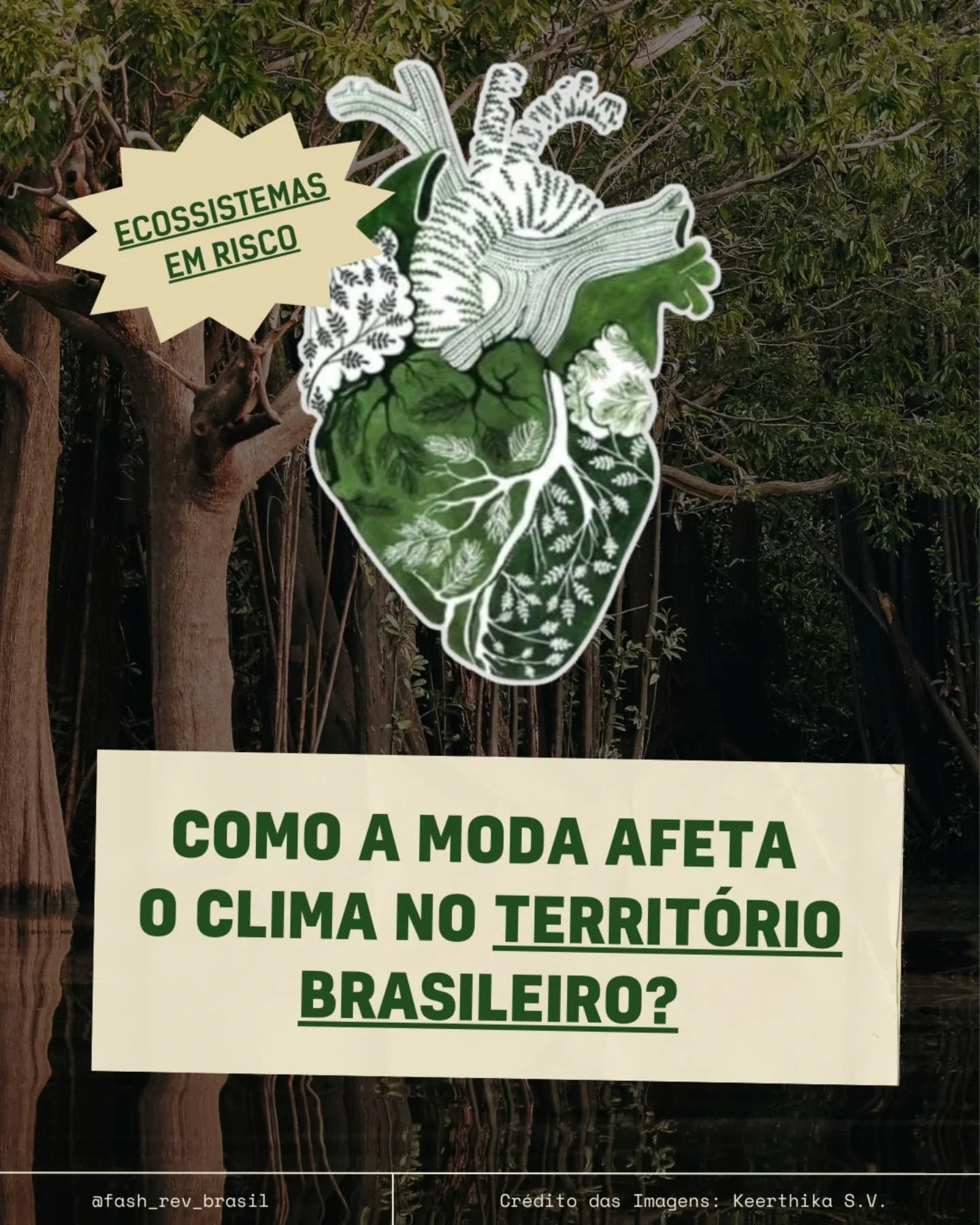
In this context, sustainability is not limited to reducing emissions or using organic materials. It also includes the preservation of communities, the continuation of ancestral techniques, and a growing awareness of who has been historically made invisible within the fashion system. Overall, the negative social impact of the fashion industry in Brazil is devastating. With 10 billion garments produced every year, Fernanda explains that it is important to raise awareness, not only within the community but also towards brands and ask them to take responsibility and provide clarity surrounding the working conditions for local garment workers. Alongside the social impact, lay the heavy environmental consequences of illegal gold mining and the cattle industry for leather production. Indigenous people are facing the destruction of their lands and rivers in the Amazon. Supporting local organisations and indigenous people is key because the current government does not place nature or the indigenous people of Brazil high on it’s priority list. Today, only six per cent of the global population is made up of indigenous people, yet they protect eighty per cent of the biodiversity left in the world. With a total of 505 indigenous lands identified (covering 12.5% of Brazilian territory), the role these communities play in preserving the well-being of nature beyond Brazil is unparalleled. The fashion industry still has much to learn from these communities.
The country’s evolving clothing industry also challenges the idea that sustainability must look “neutral” in order to be considered legitimate. In many ways, the erasure of colour and excess in Western narratives is not neutral at all, but tied to deeper cultural hierarchies that define what is seen as modern, refined, or responsible.
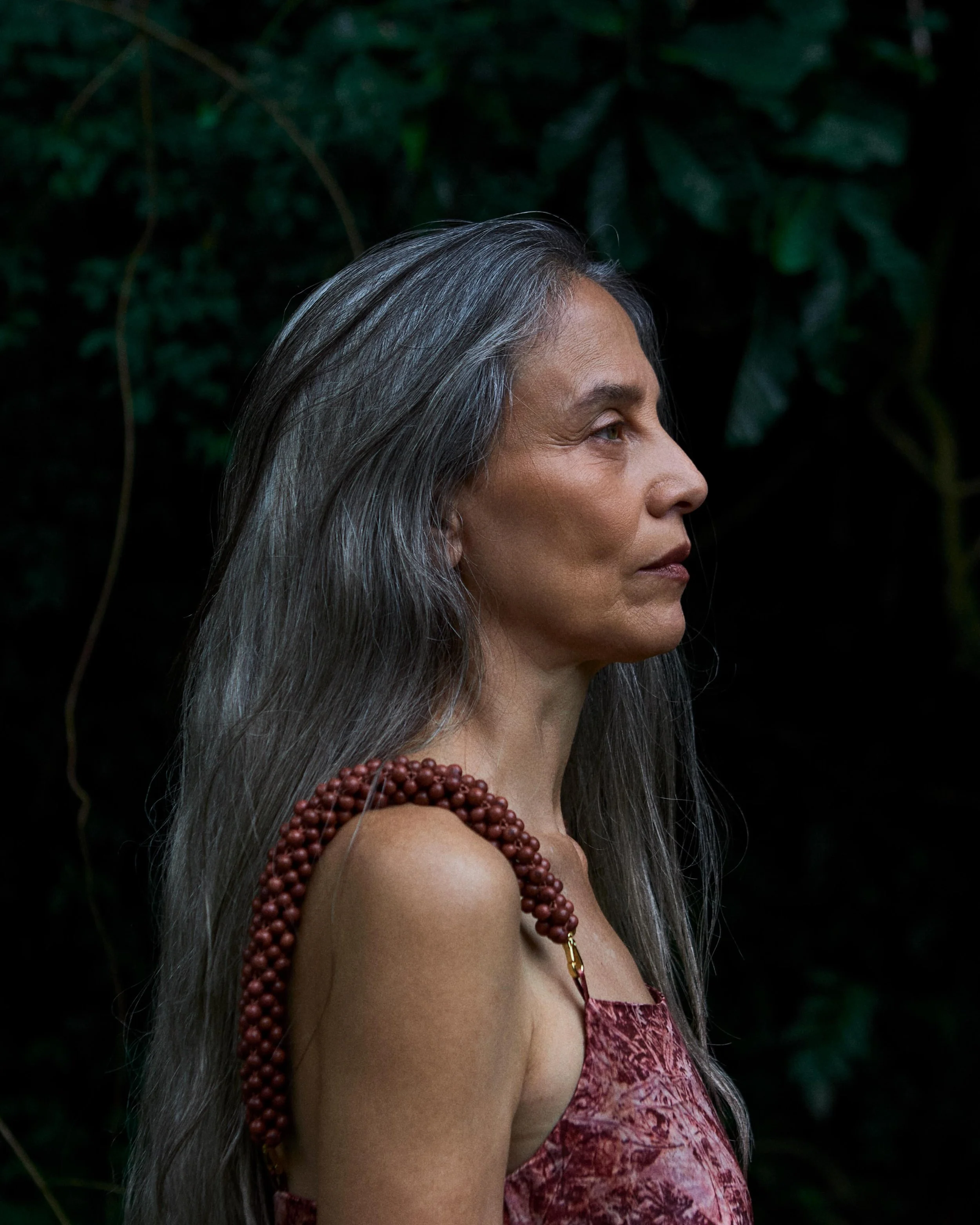
Within indigenous communities for example, colour represents belonging, awe and appreciation for the natural world, elaborate dressing on the body mark hierarchies and mutual understanding of social standing. This understanding that garments speak of cultural identity has imprinted on Brazil’s modern brands.
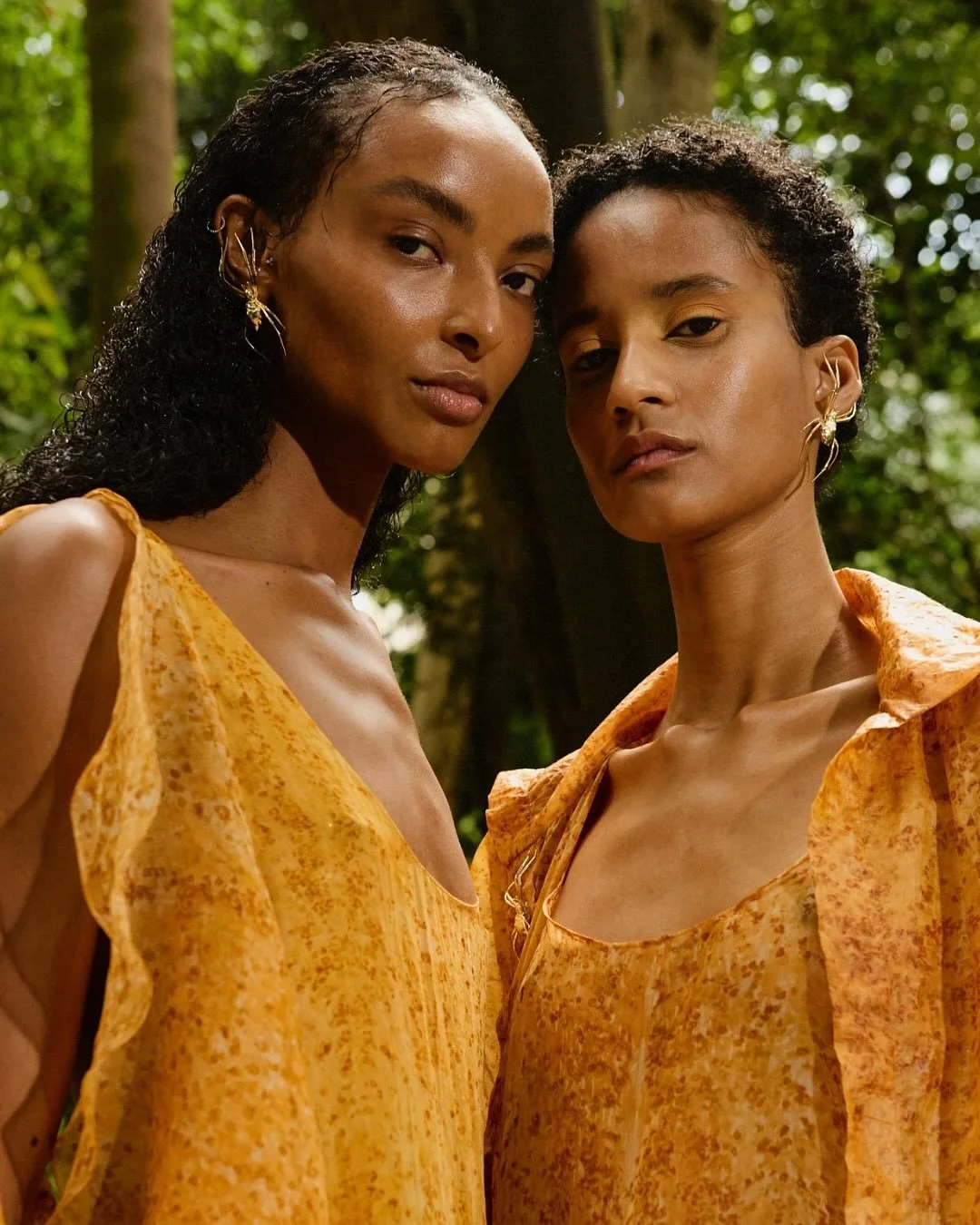
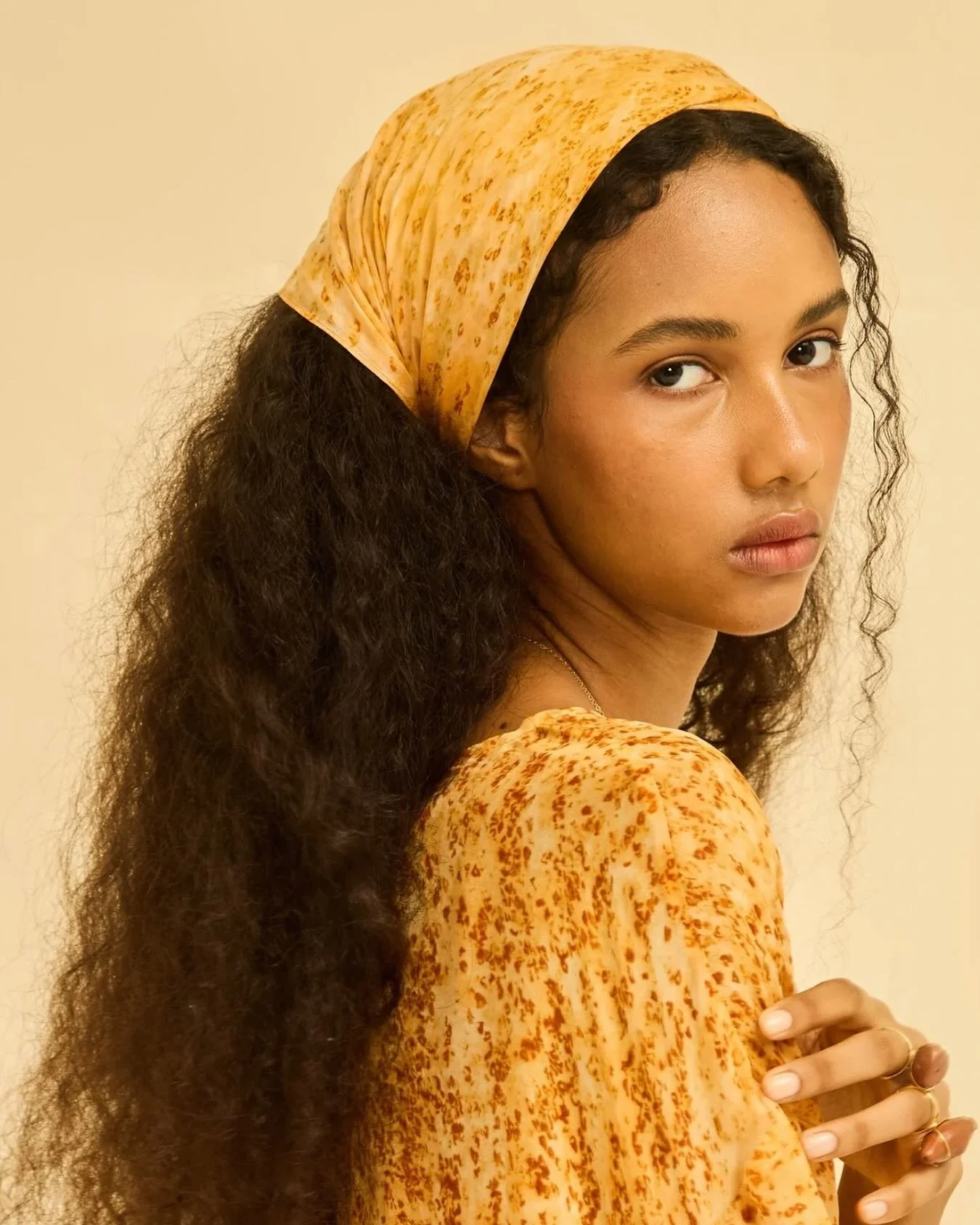
One of the brands that best represents this is Farm Rio. Internationally recognized for its tropical prints and maximalist silhouettes, the label transformed Brazilian visual identity into a global phenomenon, with numerous celebrities embracing this tropical yet conscious aesthetic. But behind its colorful imagery, Farm Rio also began building a visible environmental discourse, particularly through reforestation initiatives linked to every purchase.
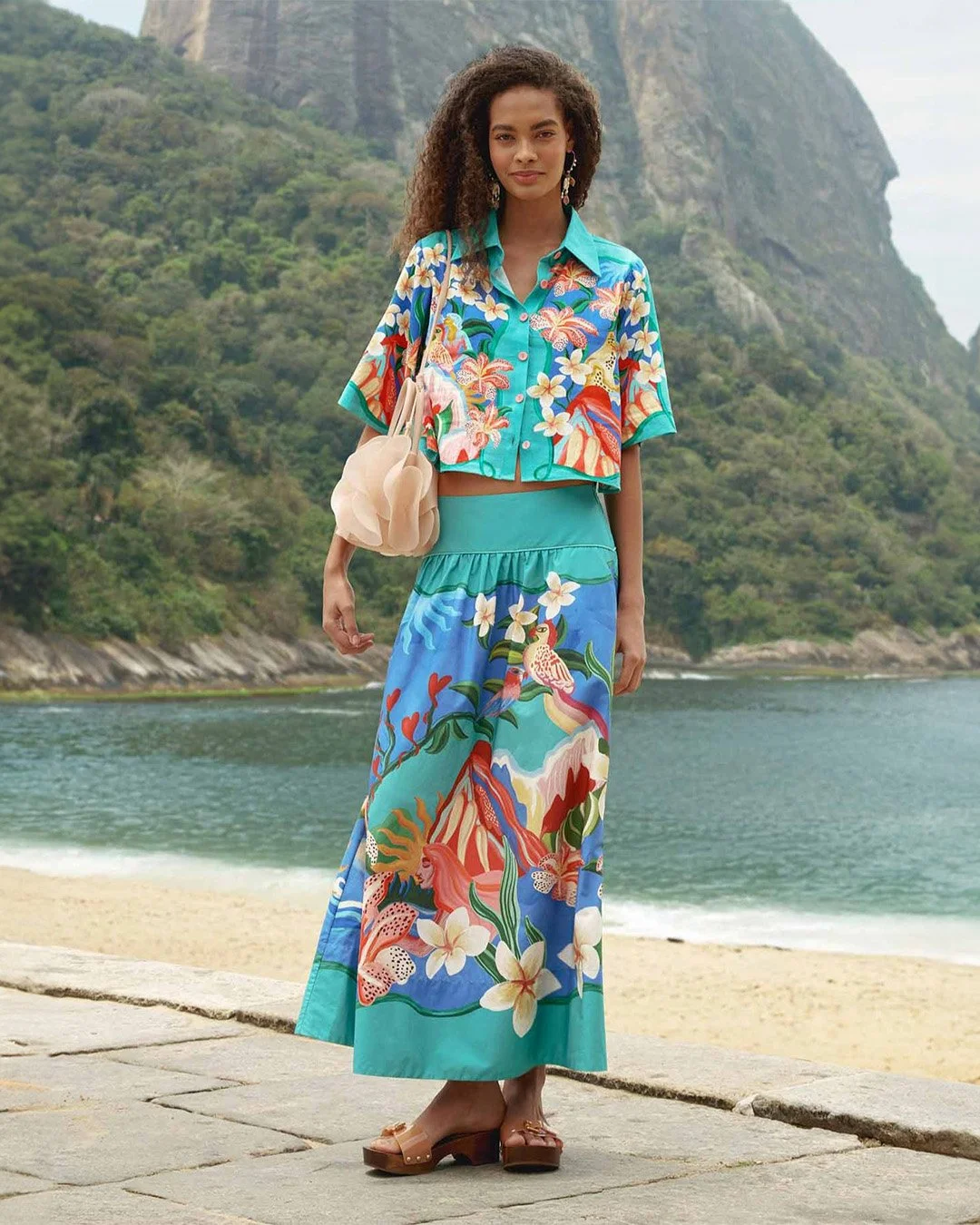

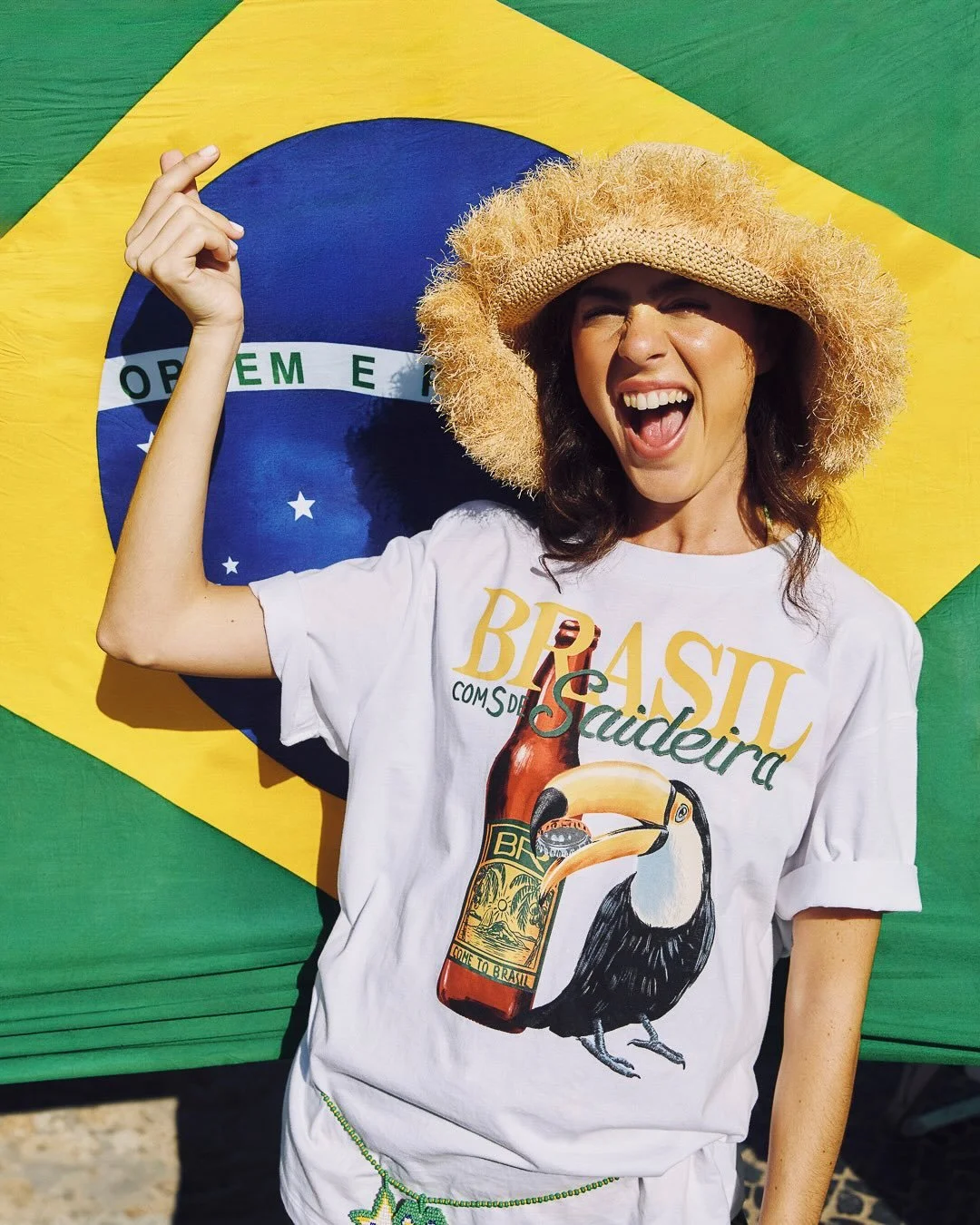
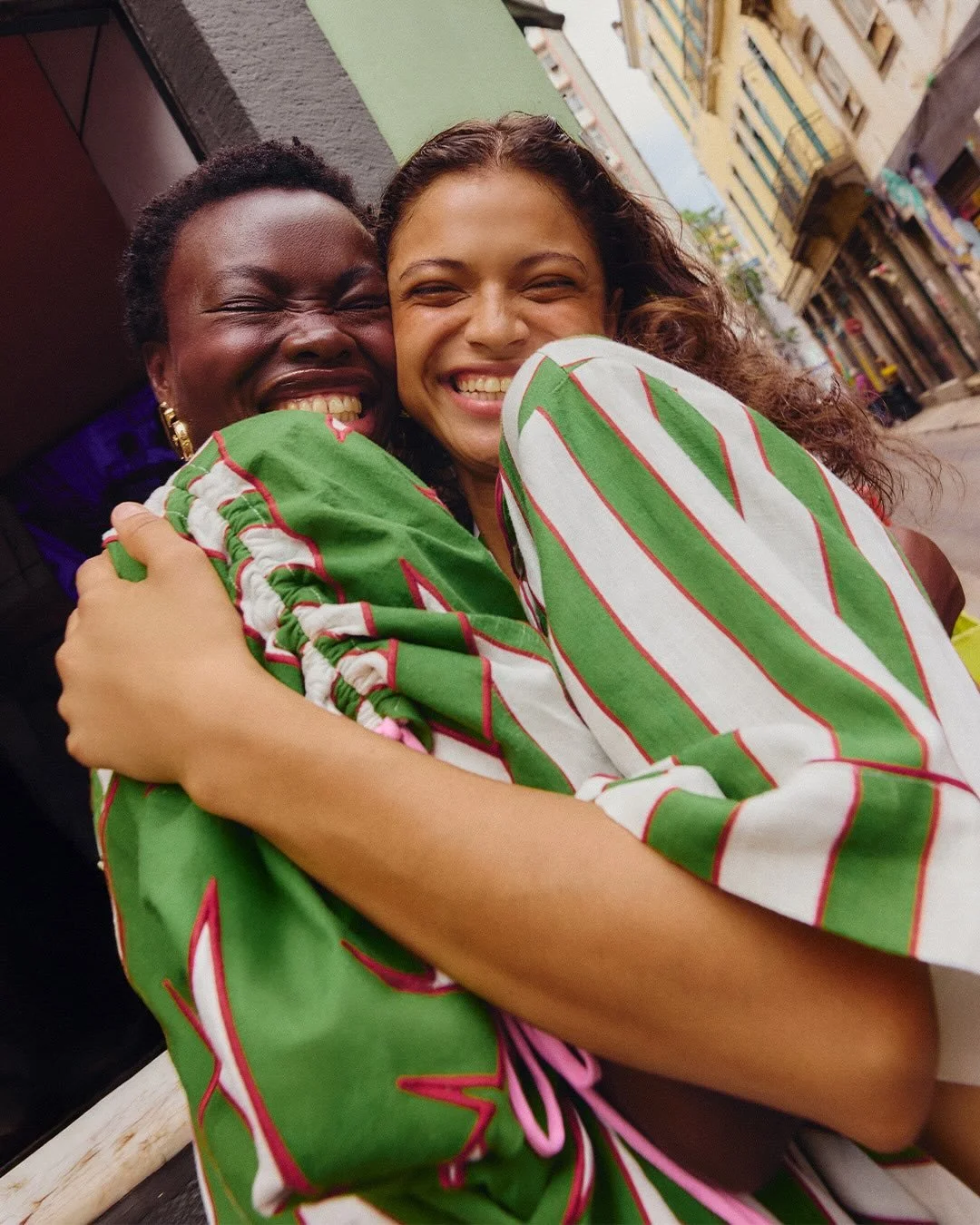

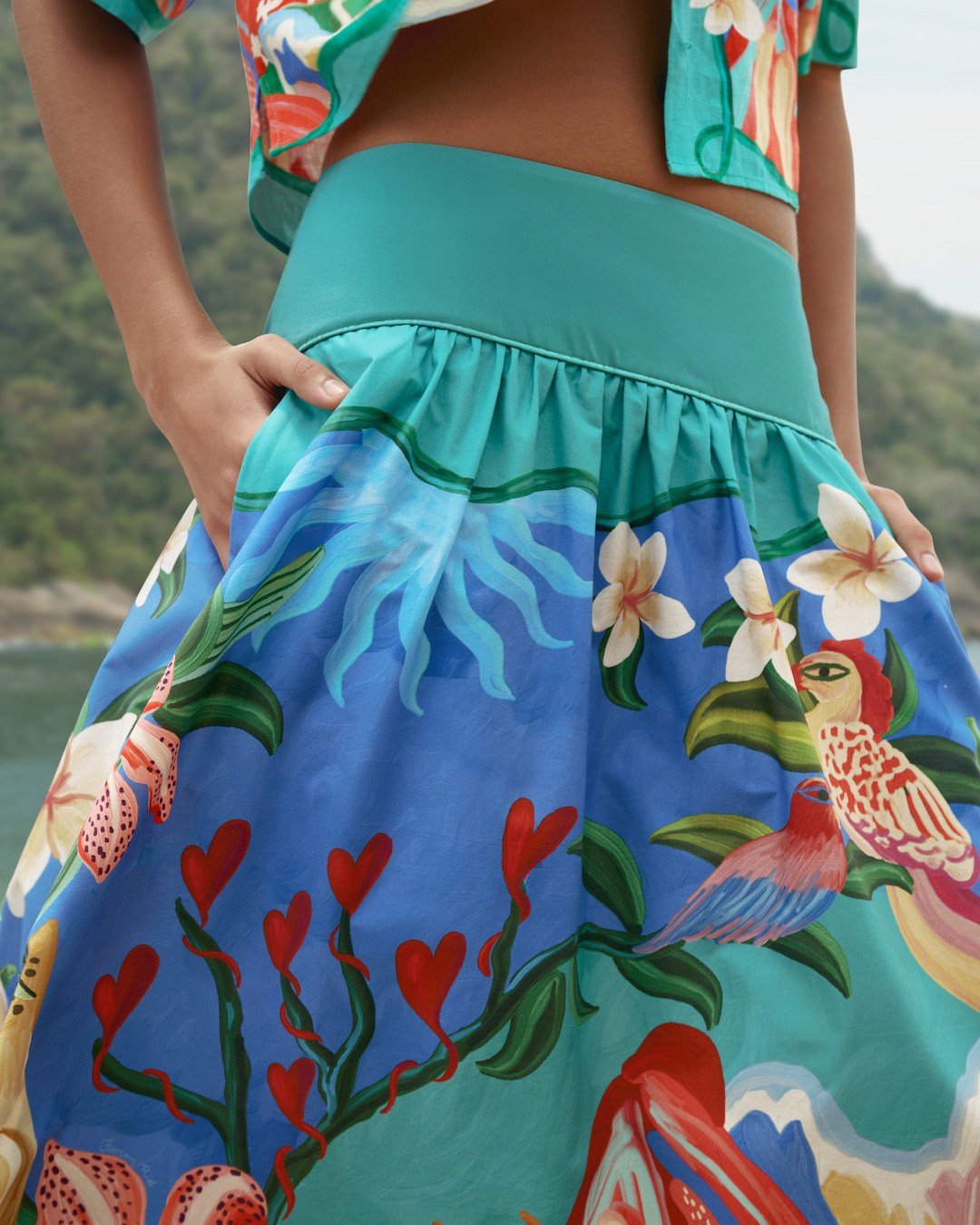






The brand understood something important: in an industry saturated with visually identical sustainability narratives, cultural identity itself can become a form of creative resistance rather than something merely focused on marketing, often leaning towards greenwashing.
However, Farm Rio’s growth also reflects one of the most common tensions within contemporary sustainable fashion. Can a brand expand globally while maintaining truly responsible practices within a system built on constant consumption? The question remains unanswered, especially at a time when fast fashion giants like Shein can swallow sustainable fashion brands like Everlane whole.
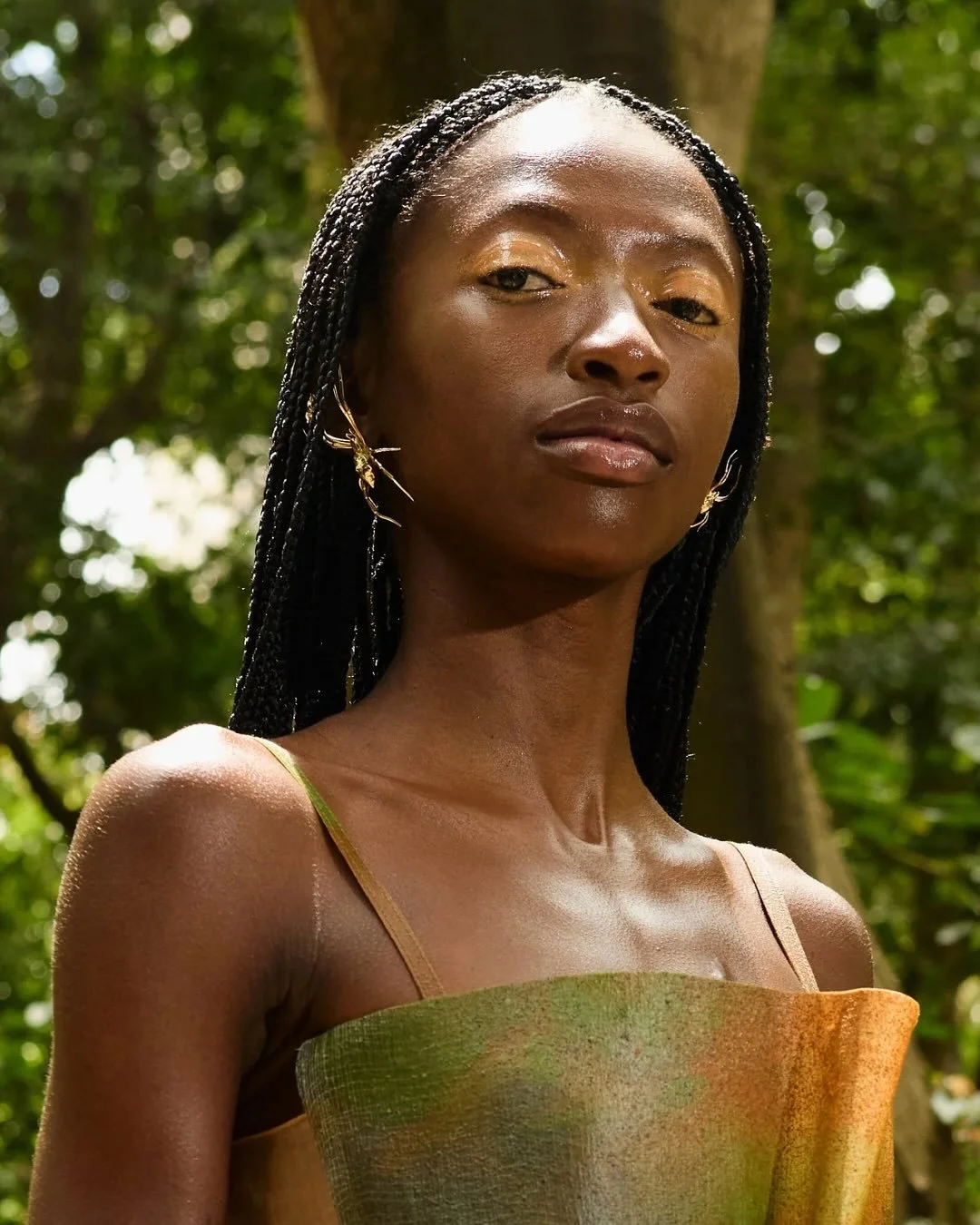
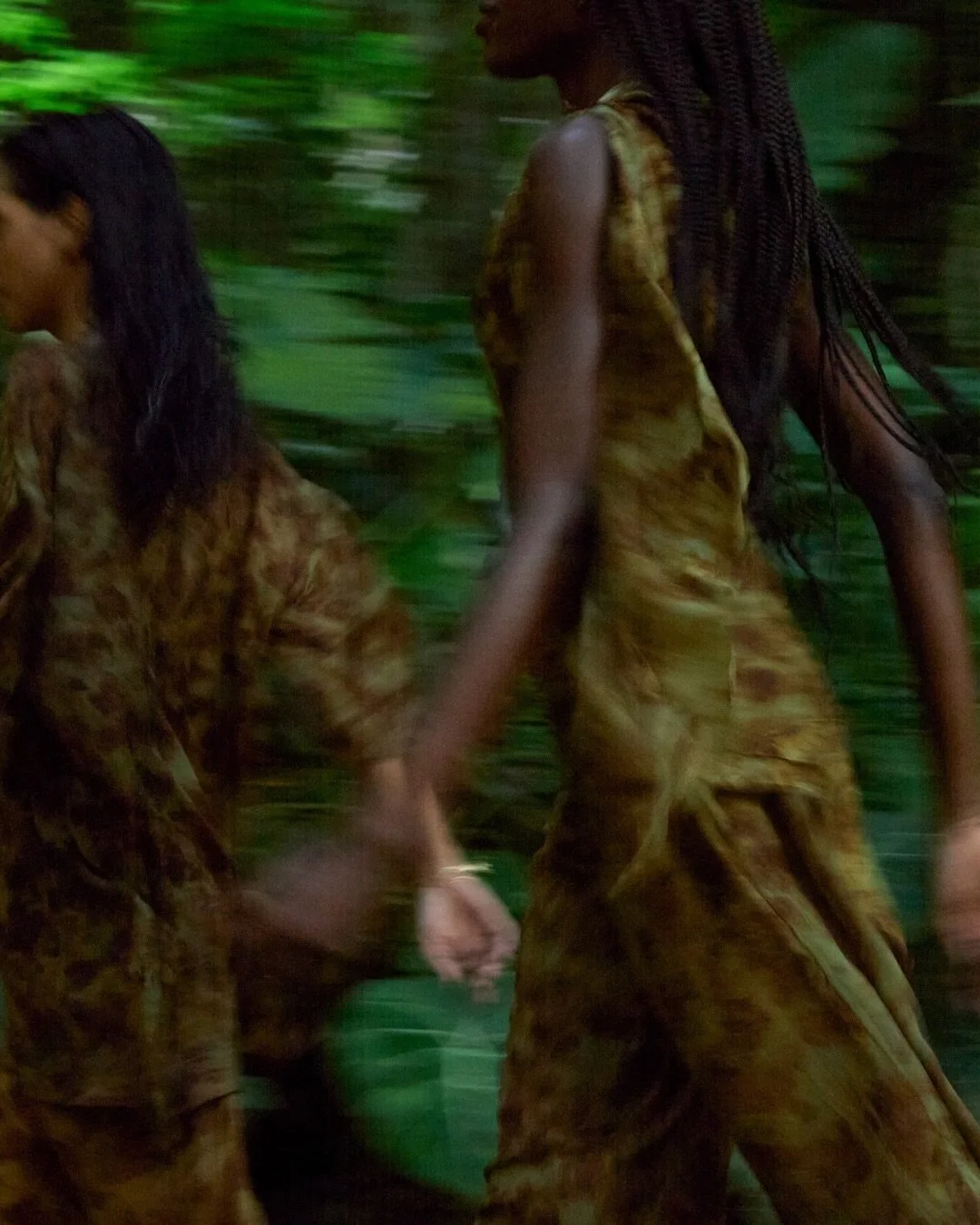
In a far more artisanal space stands Flavia Aranha, whose proposal radically distances itself from the accelerated logic of fast fashion. Her collections work with natural dyes, organic fibers, and handmade processes developed alongside local communities. The garments are not designed to follow microtrends; instead, they seem created to exist outside the industry’s traditional calendar, carrying a strong sense of identity.
This approach carries significant weight within Brazil, a country where textile production has historically been linked for many years to both labor exploitation and social inequality. That is why many Brazilian sustainable brands understand that speaking about the environment without speaking about people is simply insufficient.
The relationship between sustainability and territory also became more visible thanks to Osklen. Founded by designer Oskar Metsavaht, the brand was one of the pioneers in incorporating alternative materials into Latin American luxury, including Amazonian fish leather and recycled textiles. Long before sustainability branding dominated international runways, Osklen was already discussing environmental impact and responsibility within Brazilian design.
But perhaps Osklen’s greatest contribution was proving that Latin American fashion could participate in the global sustainability conversation without sacrificing local identity. The brand never attempted to appear “European” or neutral in order to validate its ecological proposal. It remained unmistakably Brazilian: sensual, urban, and deeply connected to nature.
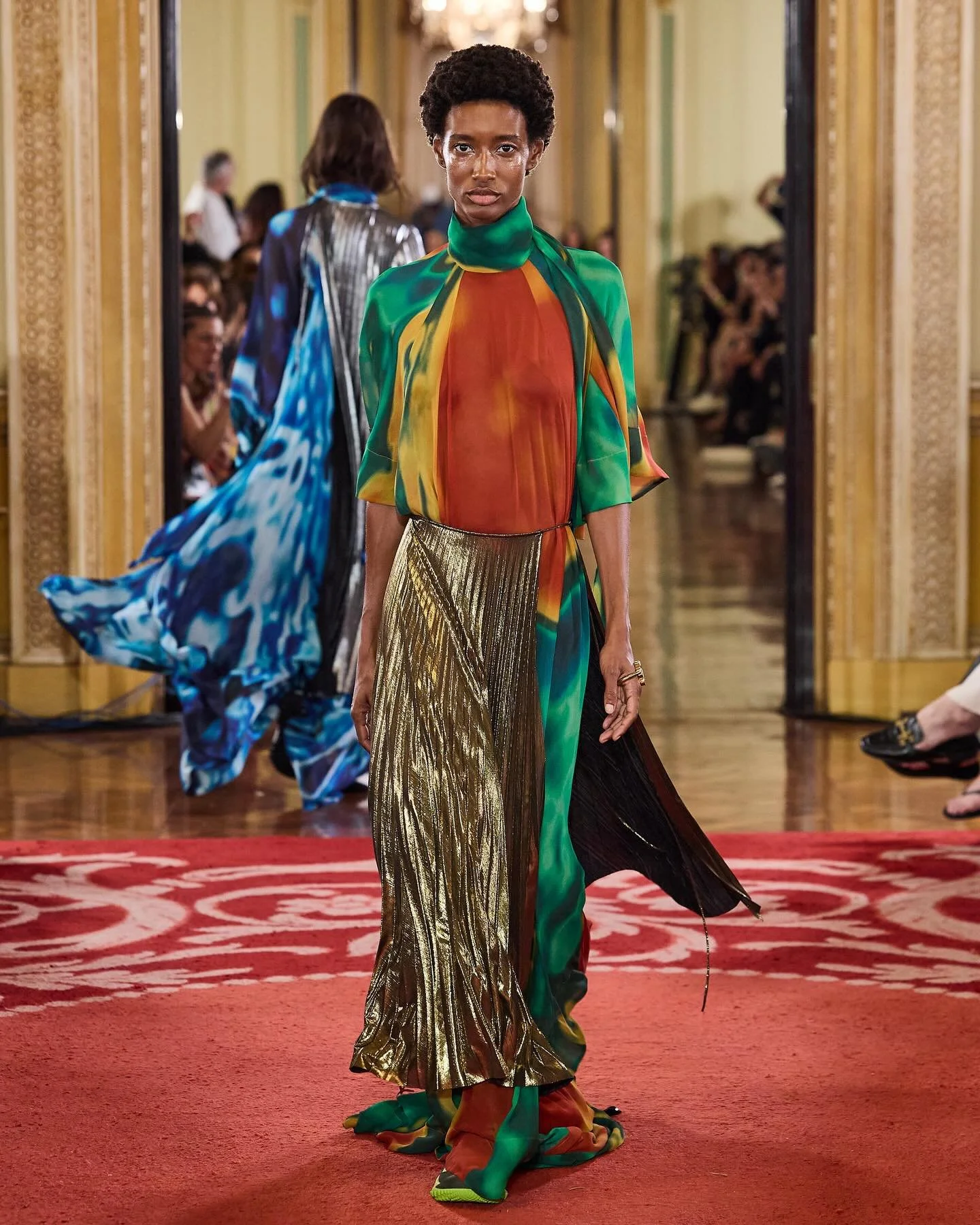





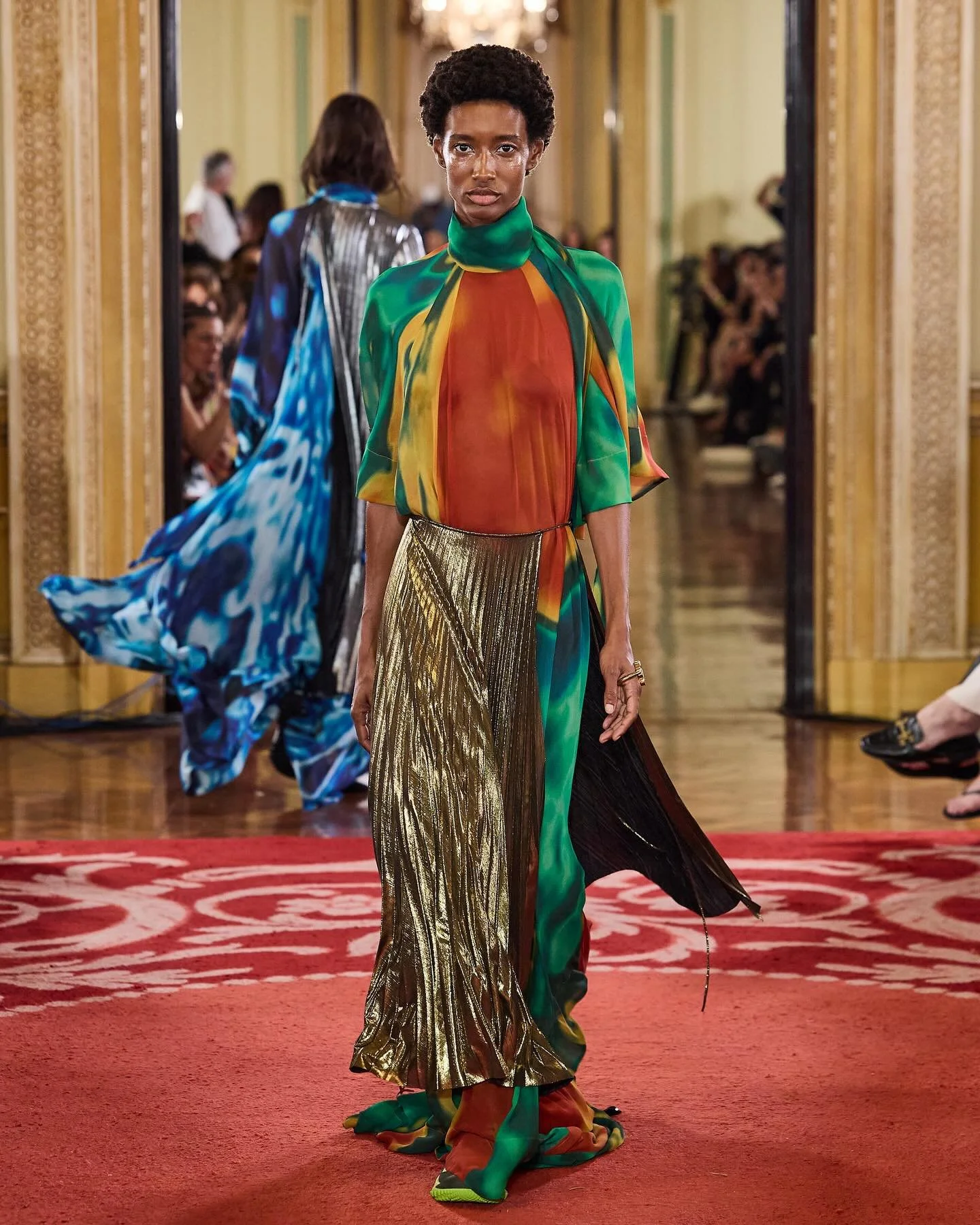
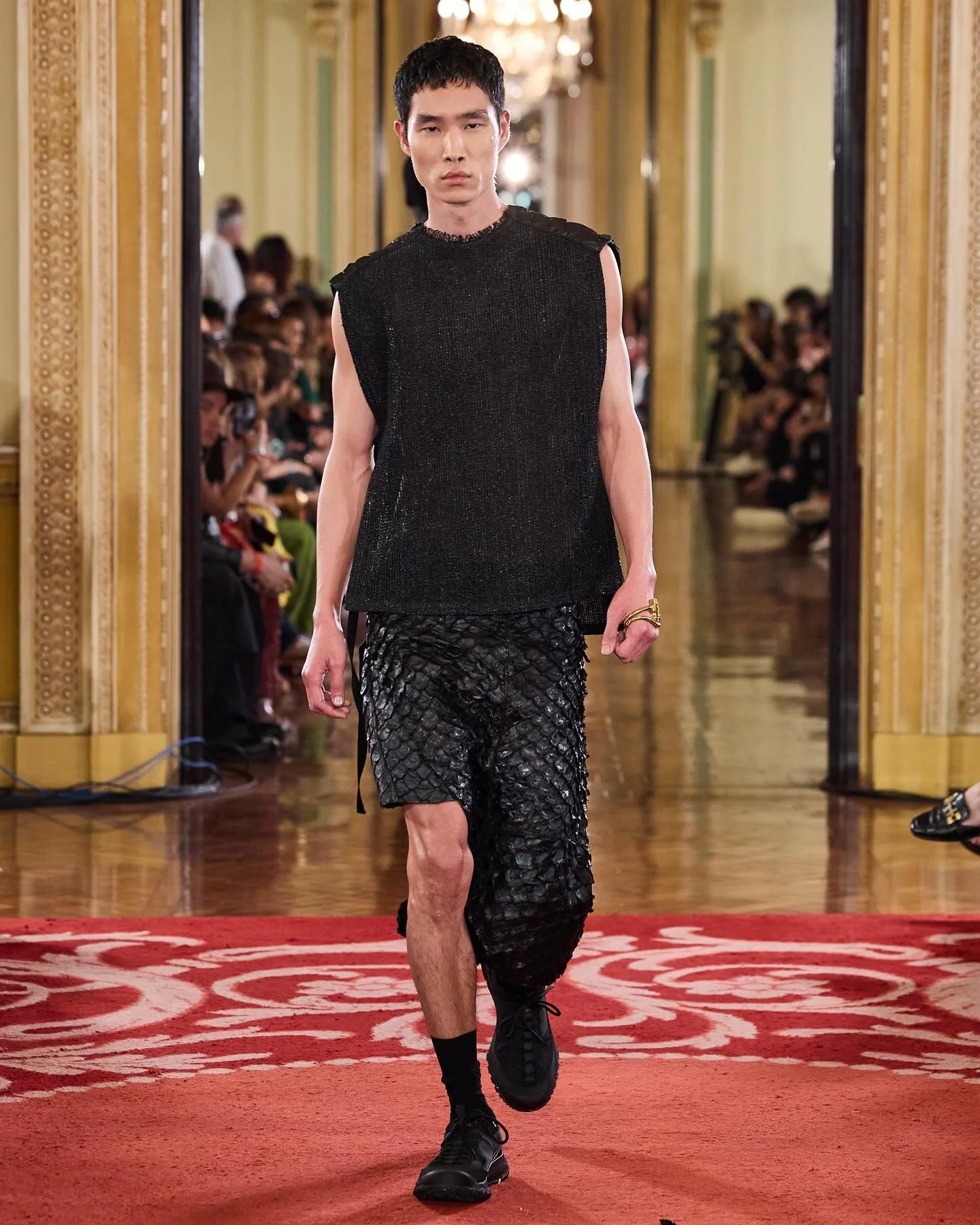
But perhaps Osklen’s greatest contribution was proving that Latin American fashion could participate in the global sustainability conversation without sacrificing local identity. The brand never attempted to appear “European” or neutral in order to validate its ecological proposal. It remained unmistakably Brazilian: sensual, urban, and deeply connected to nature.
Meanwhile, Insecta Shoes represents a new generation of consumers and designers interested in the circular economy and vegan production. The brand repurposes vintage clothing and textile waste to create footwear free from animal-derived materials, aligning itself with a younger audience increasingly critical of traditional consumption habits.
This generational shift is quietly transforming the Brazilian industry. The rise of brechós, resale platforms, and circular consumption demonstrates that sustainability no longer belongs exclusively to luxury or small ecological niches. It is gradually becoming integrated into everyday fashion culture, and that in itself is a major step forward.
Even so, Brazil continues to face enormous contradictions.
Sustainability remains inaccessible to a large portion of the population, while fast fashion continues to dominate the national market. In addition, accusations of labor precarization and greenwashing remain part of the public conversation, making it clear that Brazil’s green revolution is still far from perfect.
But that is precisely where its authenticity lies.
Unlike other markets where sustainability often appears constructed solely to look appealing to consumers, in Brazil, the conversation emerges from real tensions: inequality, territory, exploitation, and cultural preservation. Brazilian sustainable fashion does not try to present itself as flawless. Instead, it strives to become more aware of the human consequences behind clothing.

OVER TO YOU
-
OVER TO YOU -
Fashion Revolution Brazil is registered as a civil society organisation that fights to accelerate the transition of Brazilian fashion towards social and climate justice, aiming to be a force for good. We operate through communication, education, collaboration, and mobilisation.
→ Support Fashion Revolution Brazil (one of the largest fashion revolution movements) here: https://fashionrevolutionbrasil.org/quem-somos/