ORÍGENES 2025: Rethinking the Origins of Fashion
What if fashion centred around participation rather than exclusivity? A conversation between identity, design, culture, heritage, the planet; and people with the goal of implementing solutions for a fairer industry. This is what Origenes in Peru does beautifully. Beyond environmental considerations, the event integrates social and cultural dimensions throughout its programming. Through strategic partnerships, it promotes fair trade practices, collaboration with artisan and producer communities, and the preservation of traditional knowledge. This 360-degree approach reinforces an understanding of sustainability as a responsibility that spans every stage of the fashion value chain.
Images by MIA DÁVILA-ROMERO
ORÍGENES 2025 solidified its role as one of the most important platforms for sustainable fashion in Peru, positioning itself as a space where design, cultural identity, education, and social impact converge. Organised by the Peruvian Sustainable Fashion Association (Asociación de Moda Sostenible del Perú – AMSP), the event brought together designers, brands, artisans, specialists, students; and conscious consumers with a shared goal: advance a fashion industry that is more ethical, responsible, and aligned with today’s social and environmental challenges.
Far from following a conventional fashion event format, ORÍGENES 2025 was conceived as an integrated experience. Every component—talks, runway presentations, material exhibitions, curated commercial spaces, and networking encounters —
was connected by a clear narrative: the need to rethink fashion from its origins, understanding design as a process deeply rooted in territory, memory, community; and accountability.
From its very conception, the event placed strong emphasis on education and cultural reflection. ORÍGENES did not aim solely to showcase collections, but rather to generate knowledge, question established practices, and highlight viable alternatives within the fashion system. This approach was reflected in the careful curation of content, as well as in the selection of designers, brands, and projects that took part in the event.
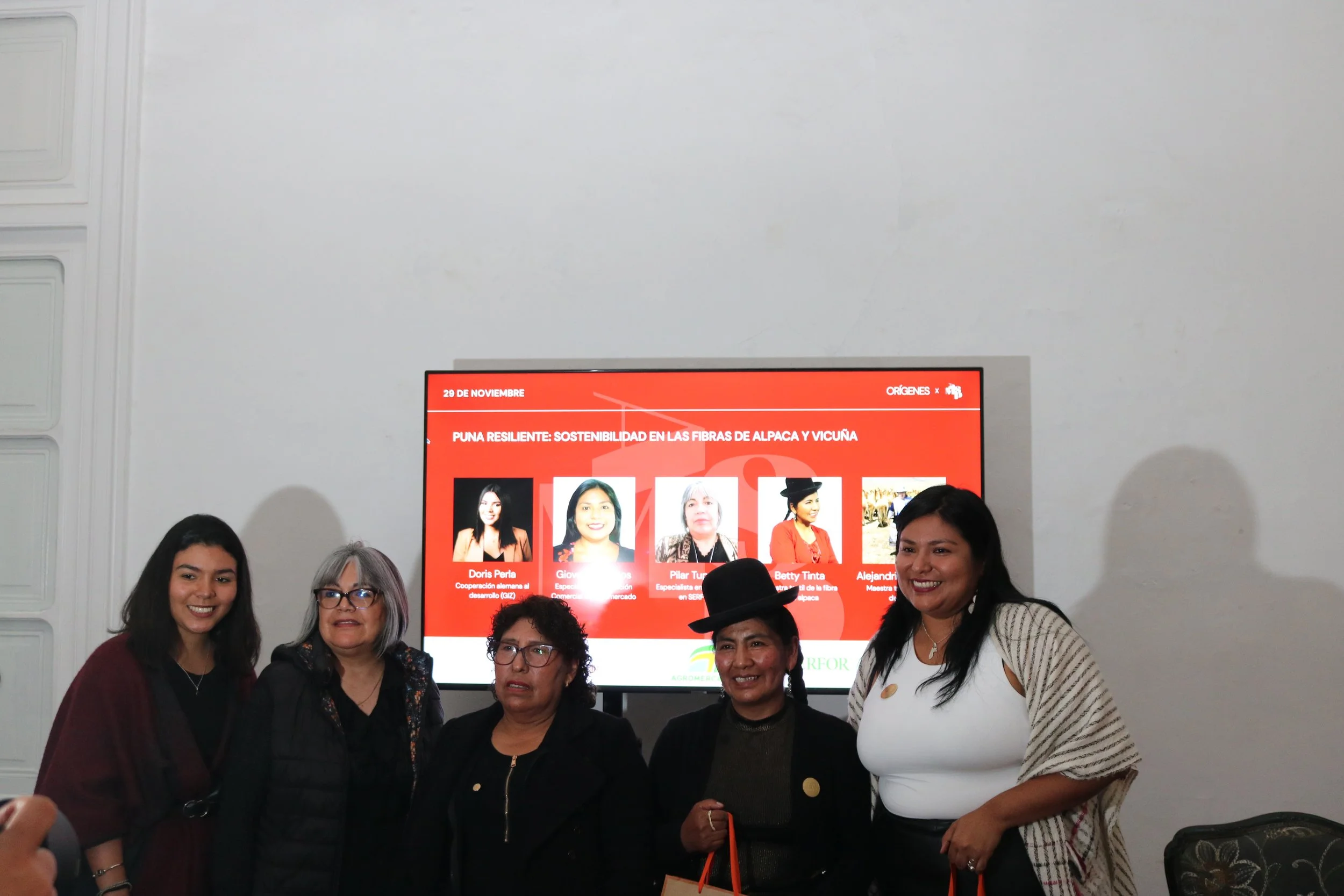
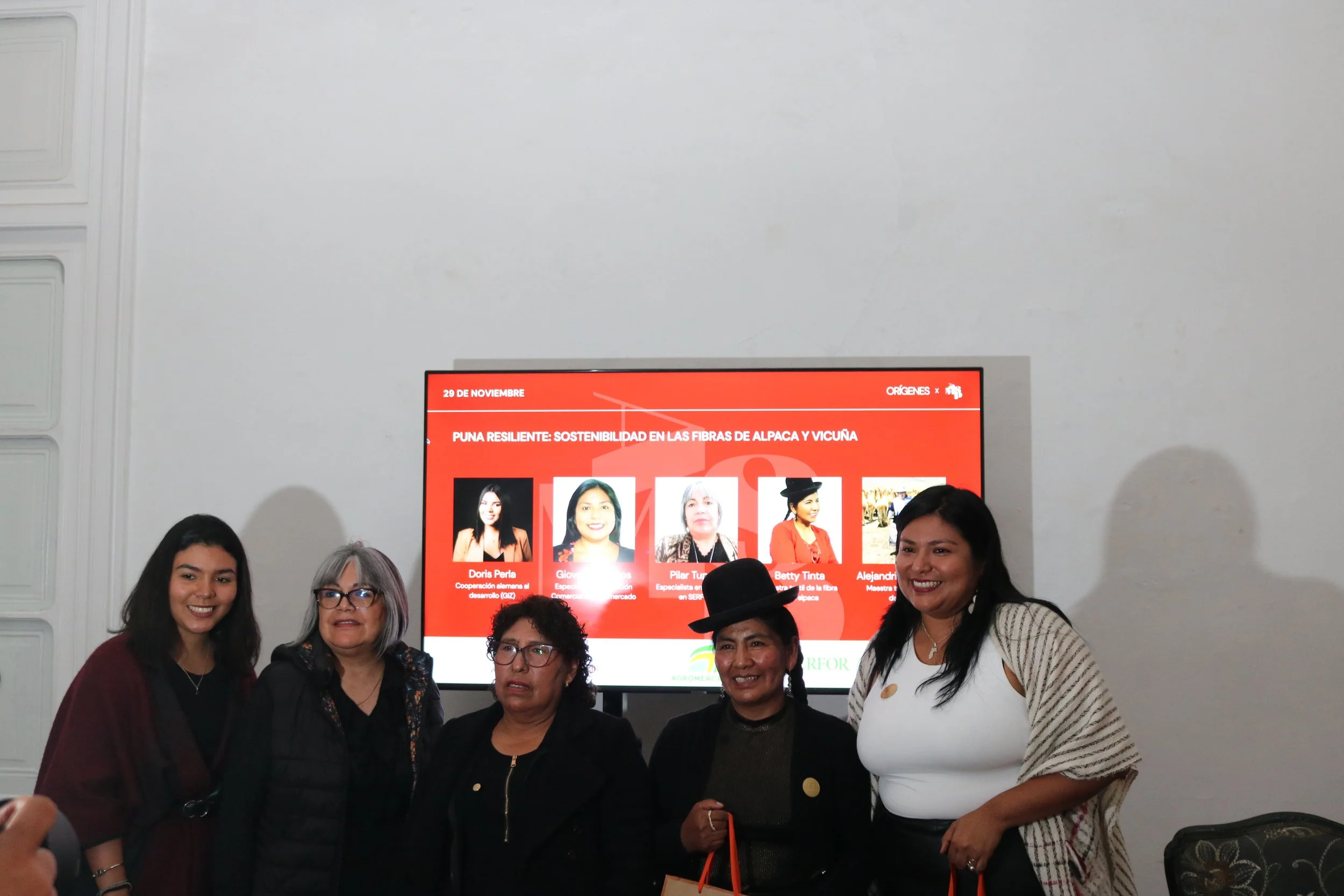
The talks and panel discussions became a central pillar of ORÍGENES 2025. Fashion professionals, sustainability experts, designers, cultural managers, and entrepreneurs shared insights and experiences related to responsible production, innovation, traceability, and conscious consumption. Discussions addressed the environmental impact of the fashion industry, the challenges of building sustainable brands in the local context, and the importance of developing fair and transparent value chains.
Images by MIA DÁVILA-ROMERO
Rather than relying on abstract discourses, these conversations focused on real-world experiences, lessons learned, and ongoing challenges.
Topics such as slowing down production cycles, valuing craftsmanship, redefining success in fashion, and educating consumers were explored in depth.
Audience participation played a key role, fostering meaningful exchanges and reinforcing the event’s collaborative, community-driven spirit. There were conversations and panels with Omar Carbajal (Founding Director of TURSE), master craftsman Leonidas Orellana (Quinua Ceramics), Gloria Solari (Cultural Centre), master craftsman Pompeyo Berrocal (Sarhua), and Kristie Arias (Textile Artist & Cultural and Commercial Manager).
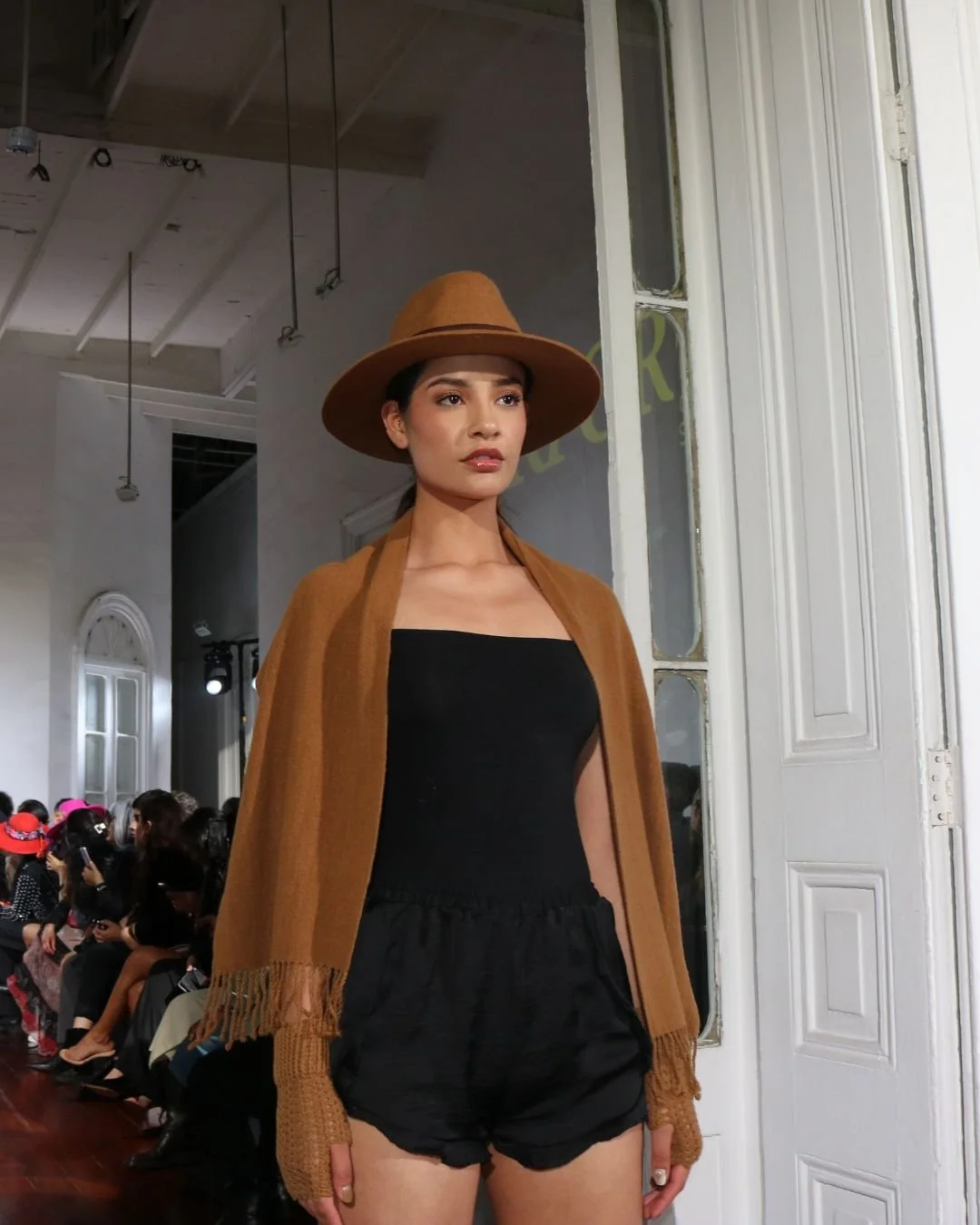
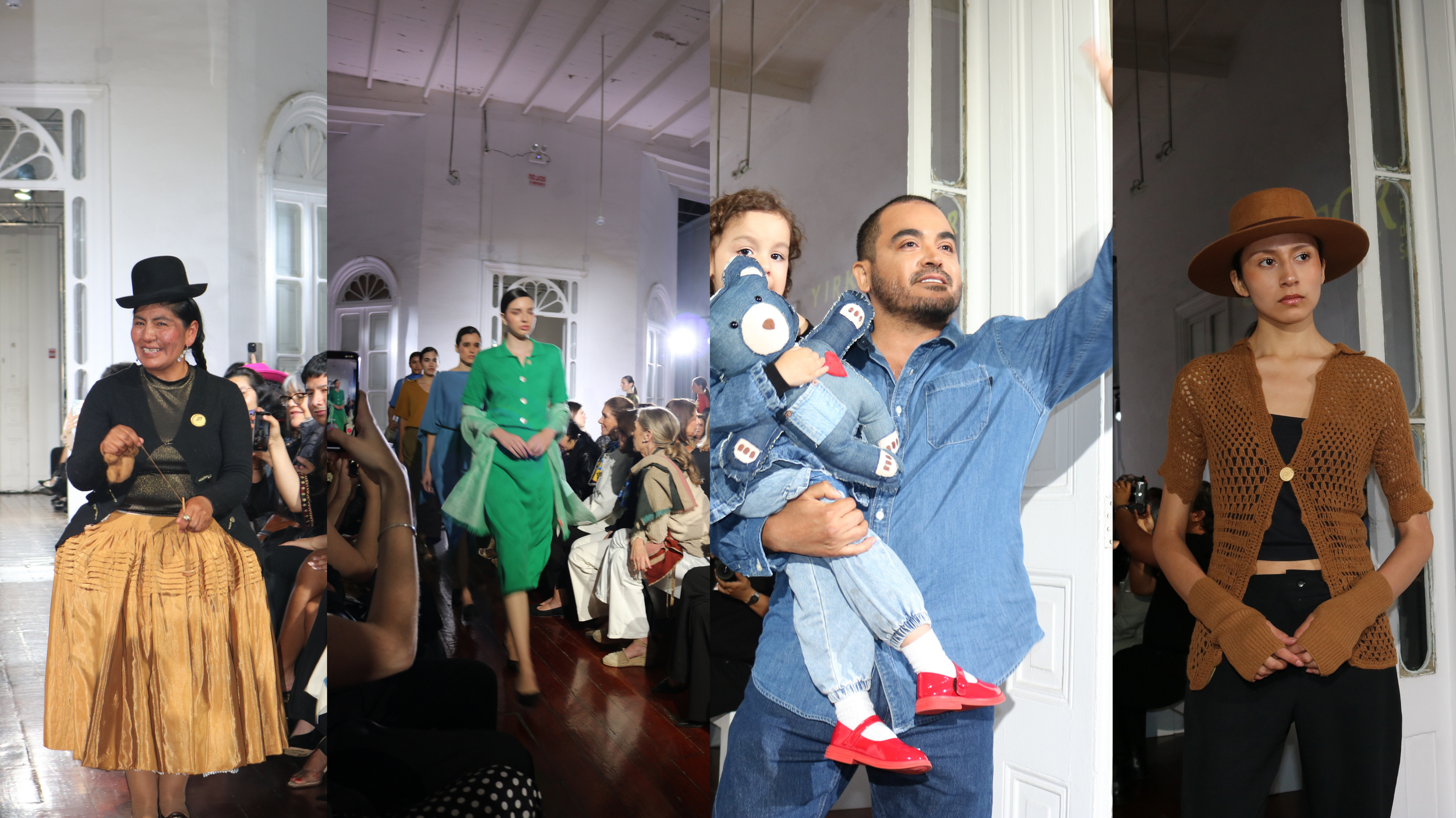
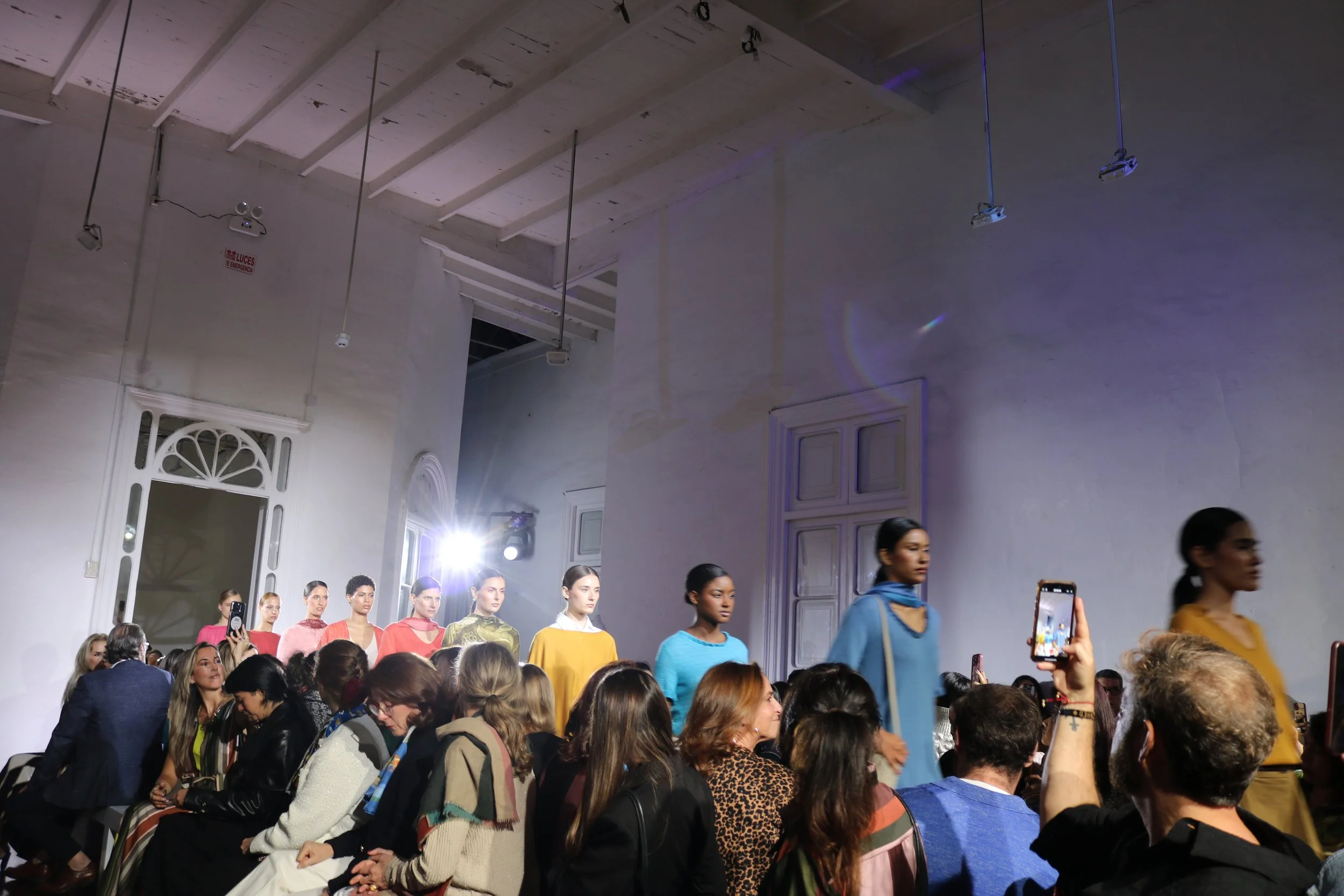
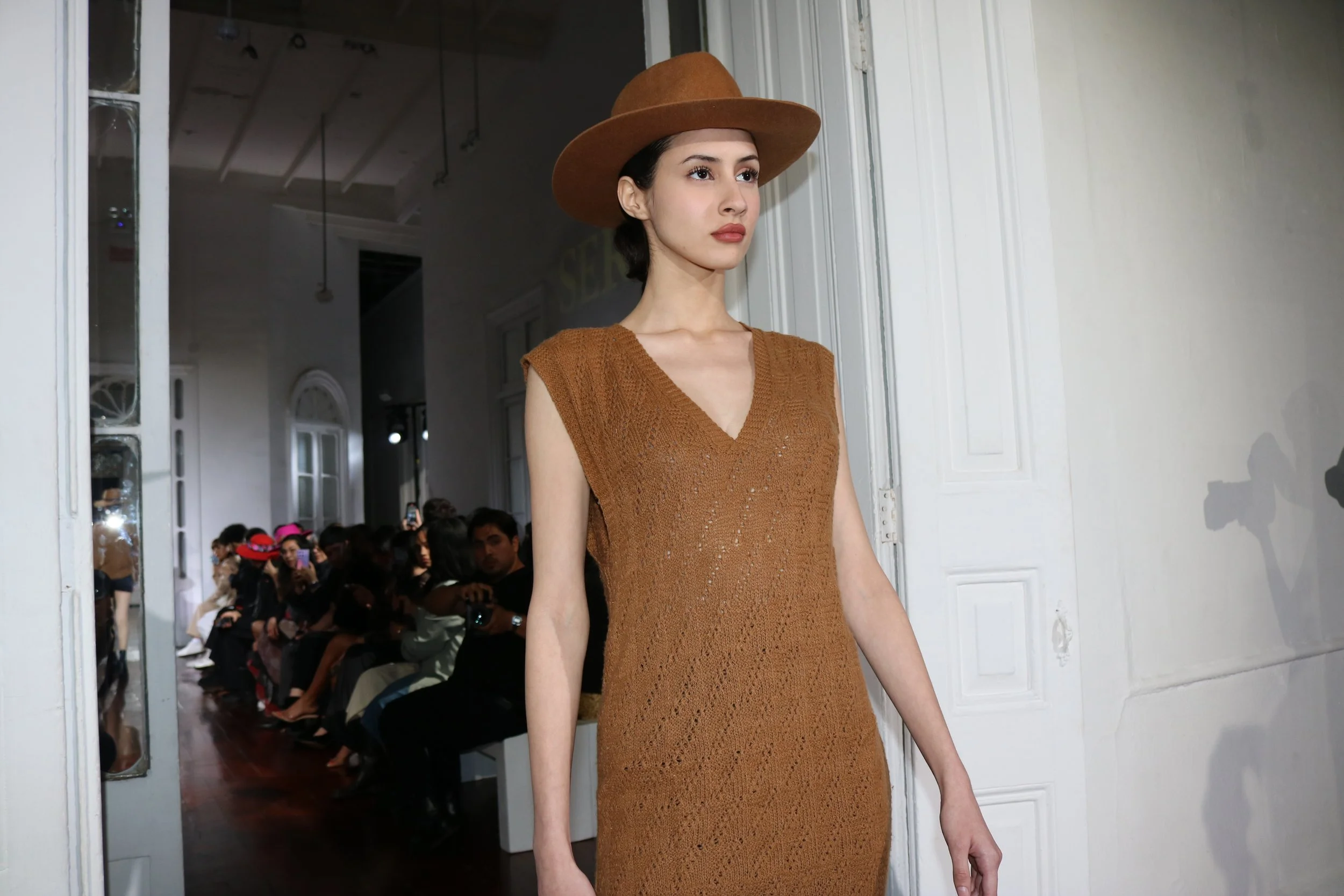
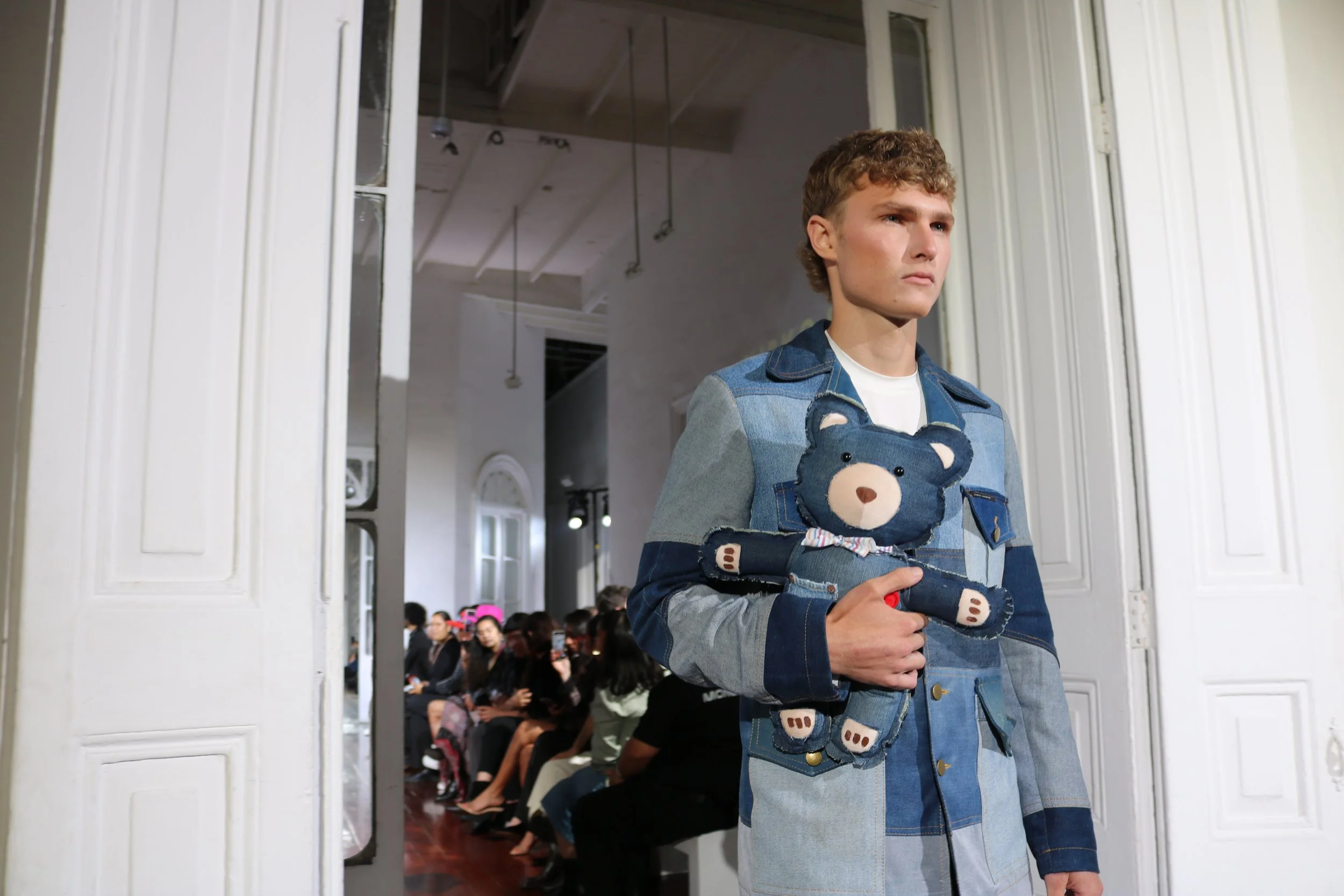
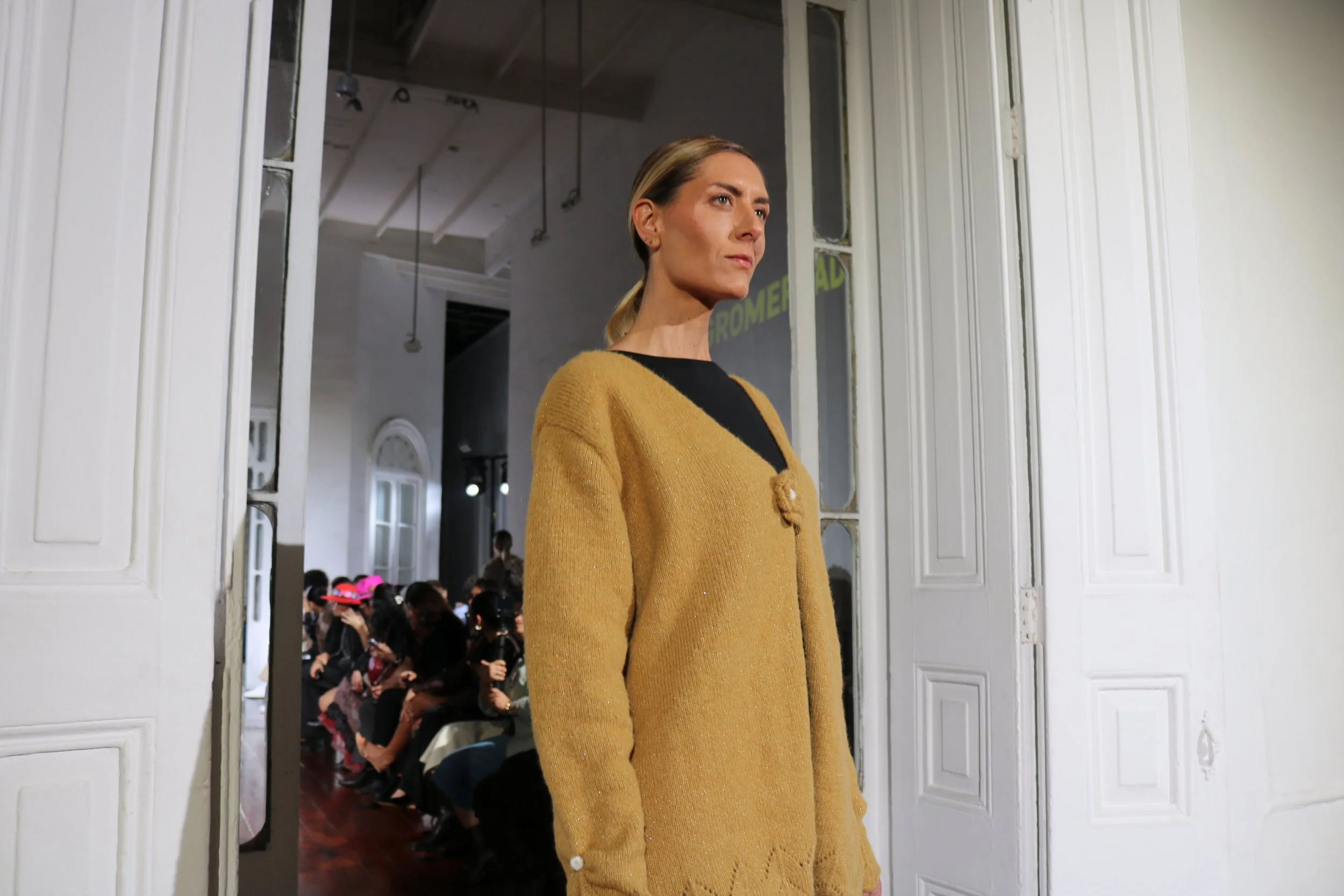
The ORÍGENES 2025 runway emerged as one of the most emblematic expressions of the event’s ethos. Conceived as a space for storytelling and positioning, the runway moved away from spectacle and instead became a narrative tool. Each collection reflected a conscious design process, highlighting the origin of materials, the techniques employed, and the cultural stories embedded in each garment.
Collections stood out for their use of natural fibres, recycled textiles, recovered materials, and low-impact production processes. Hand embroidery, traditional weaving techniques, and contemporary reinterpretations of ancestral knowledge played a prominent role. Silhouettes emphasised functionality, comfort, and durability, promoting an honest relationship between clothing and the body.
The visual language of the runway consistently reinforced the idea that sustainable fashion does not limit creativity, but rather deepens it.
A strong focus on textile innovation and sustainable materials further enriched the experience. The materials exhibition showcased responsible alternatives that are reshaping the industry, including natural and recycled fibers, eco-friendly dyes, and less polluting production processes. This space fostered direct exchange between designers, suppliers, and specialised projects, encouraging knowledge sharing and the development of future collaborations.
ORÍGENES 2025 also featured a curated marketplace, offering visibility to sustainable brands and local enterprises whose products aligned with the event’s ethical principles. This area allowed attendees to engage directly with responsible fashion proposals, learn about the processes behind each piece, and support business models that prioritise positive impact over mass production.
A core value of the event was its commitment to emerging talent and community building.
Young designers, independent brands, and socially driven projects found a platform to present their work, connect with new audiences, and strengthen professional networks.
Networking occurred organically, facilitating dialogue between designers, suppliers, communicators, and cultural agents within the sustainable fashion ecosystem.
The event concluded with a gathering that brought together designers, partners, sponsors, and industry representatives in an atmosphere of reflection and celebration.
The final runway encapsulated the spirit of ORÍGENES 2025: a fashion movement rooted in heritage, respectful of cultural identity, and firmly committed to shaping a more conscious future. It was a collective moment that highlighted the platform’s growth and the maturity of Peru’s sustainable fashion scene.
Images by MIA DÁVILA-ROMERO
ORÍGENES 2025 made it clear that sustainable fashion in Peru is not a passing trend, but an evolving movement driven by solid proposals, coherent discourse, and an increasingly engaged community.
More than a showcase, the event functioned as a space for dialogue, visibility, and collaboration—one that continues to strengthen an industry where design, ethics, and identity move forward together.
More than an event, ORÍGENES 2025 stood as a collective effort to redefine fashion as a tool for social, cultural, and environmental transformation. A reminder that returning to origins is often the most meaningful way to move forward.