

Turning Waste into Wealth — A Source of Hope in the Valley of Kashmir
In a modest workshop in Srinagar, India, a small group of artisans bend over pieces of soft sheepskin spread across wooden tables. The rhythmic sound of scissors and needles fills the air. For them, this is more than work; it's a quiet act of revival. They are breathing life into a craft that once defined Kashmir’s mountain life and then almost disappeared.
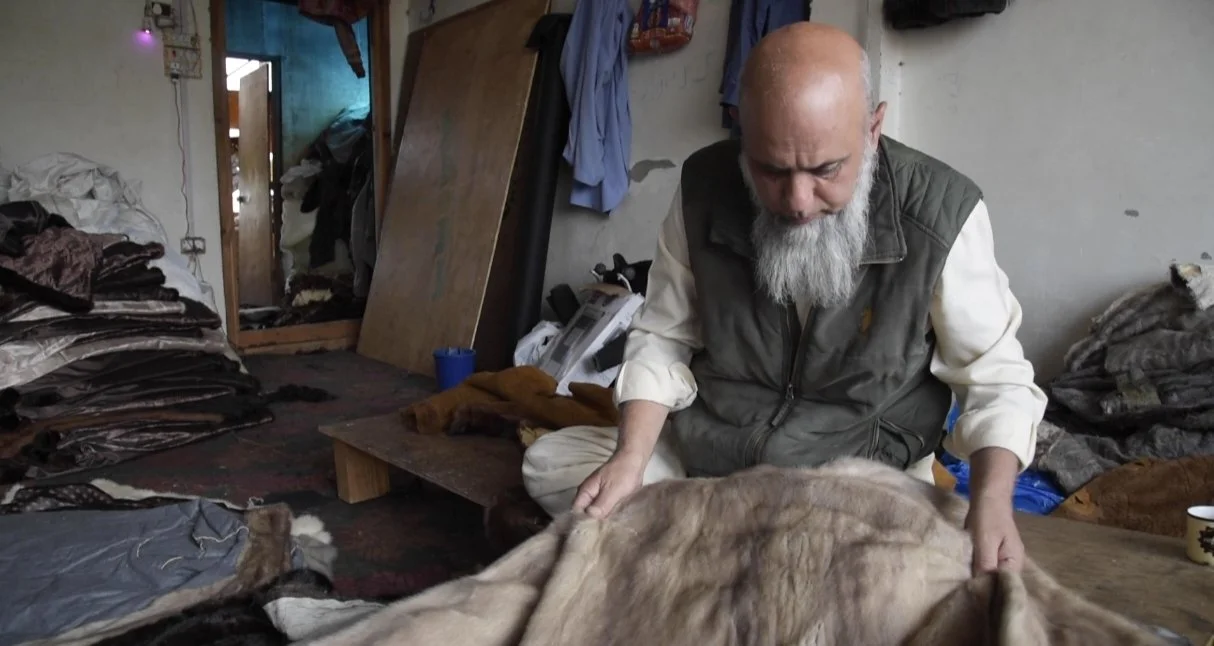
The art of Furr, the traditional fur-making craft of Kashmir, is being brought back from the edge of extinction by a local artisan, Tahir Ahmad Kalwal. His mission is simple: to turn discarded sheepskins into sustainable fashion, to give jobs to young people, and to restore pride in a forgotten skill.
A Tradition Nearly Lost
Kashmir has long relied on sheep for wool, milk, and warmth. The sheepskin, once tanned and stitched by hand, was used to make coats, caps, and rugs that protected people from the region’s harsh winters. But over the decades, mass-produced materials and changing tastes pushed the craft to the margins.
“Back in the 1980s, there were proper workshops for this work,” says Tahir, leaning against a row of finished jackets. “Then slowly everything shut down. There were no tanneries, no government help, and people began to think this work was unclean or outdated. The hides from thousands of sheep were being thrown away. What hurt me most was that our own youth didn’t even know this skill existed. I wanted to change that to make them see that this could be a source of dignity, income, and identity again.”
Revival in a Small Room
In 2020, after returning from Delhi during the pandemic, Tahir started collecting discarded hides from local butchers. He began cleaning and tanning them with natural materials like salt and oils, the way his elders once did. Soon, he invited unemployed youth and women from nearby neighbourhoods to join him.
“The first day was chaos,” he recalls with a laugh. “Most of them had never seen raw hide before. They were scared to touch it. I told them, ‘This is not dirt, this is our resource.’ We cleaned, tanned, and stitched together. Slowly, they began to love the process.
They realised that every layer of hide carried a story. Today, more than 40 people work with me, some from remote villages, and they earn through their hands. That’s what makes me proud.”
Learning Patience and Pride
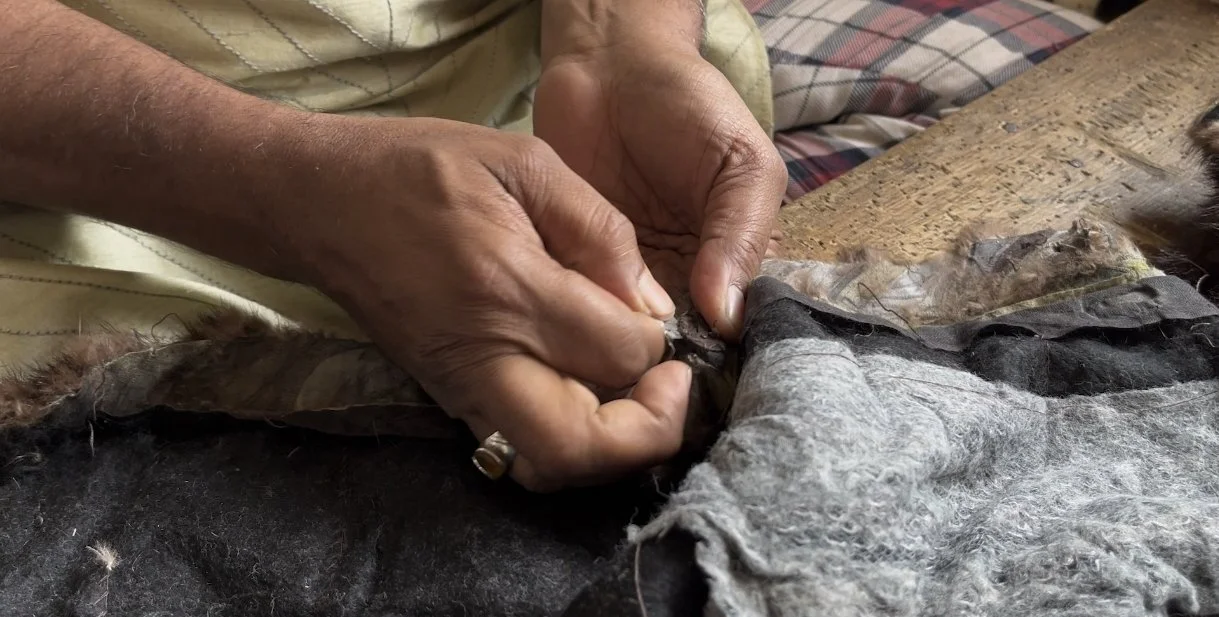
Among Tahir’s students is Nusrat, a 22-year-old college student who uses her earnings from the workshop to pay for her education. She sits in a corner of the room, her hands moving carefully as she sews a lining into a fur jacket.
“When I first joined, I had never done anything like this,” Nusrat says, smiling shyly. “At first, I felt uncomfortable; the smell, the texture, everything was new. But Tahir sir told me, ‘If you have patience, your hands will learn faster than your eyes.’ He was right. Now, I can make an entire jacket from start to finish. Each piece I make gives me confidence. I don’t depend on anyone now. When people wear something made by me, it feels like my hard work has meaning.”
Turning Waste into Wealth
Every year, thousands of animal hides are discarded across Kashmir, especially during Eid and the winter months. These skins often end up as waste, causing pollution and foul odour. Tahir’s initiative gives them a new purpose.
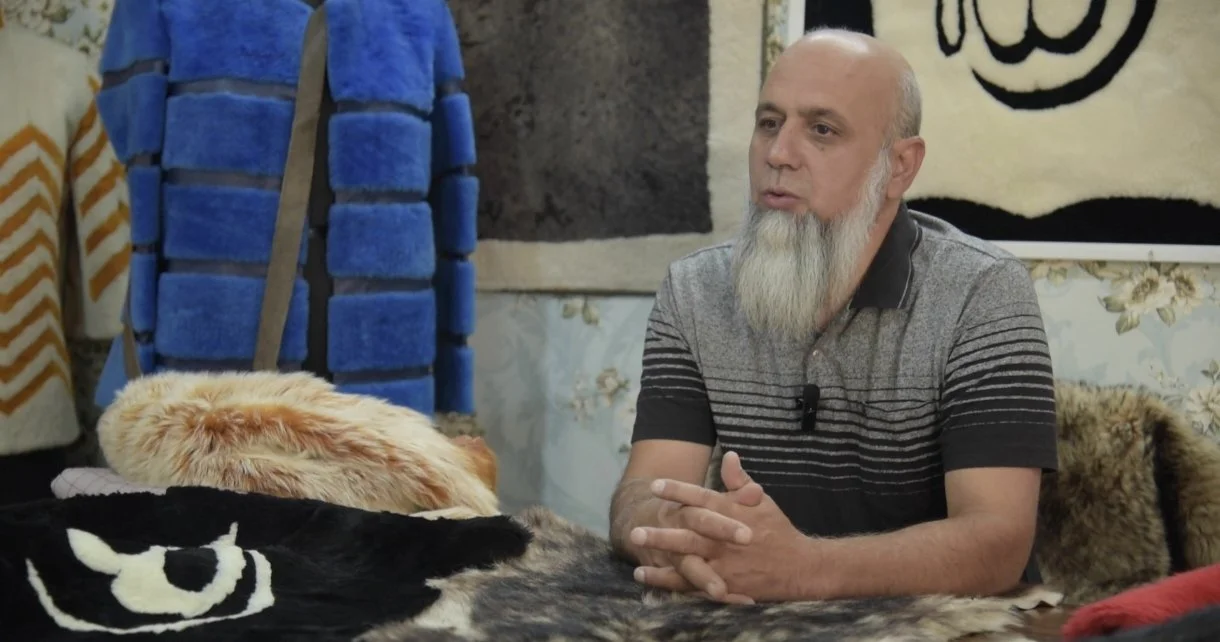
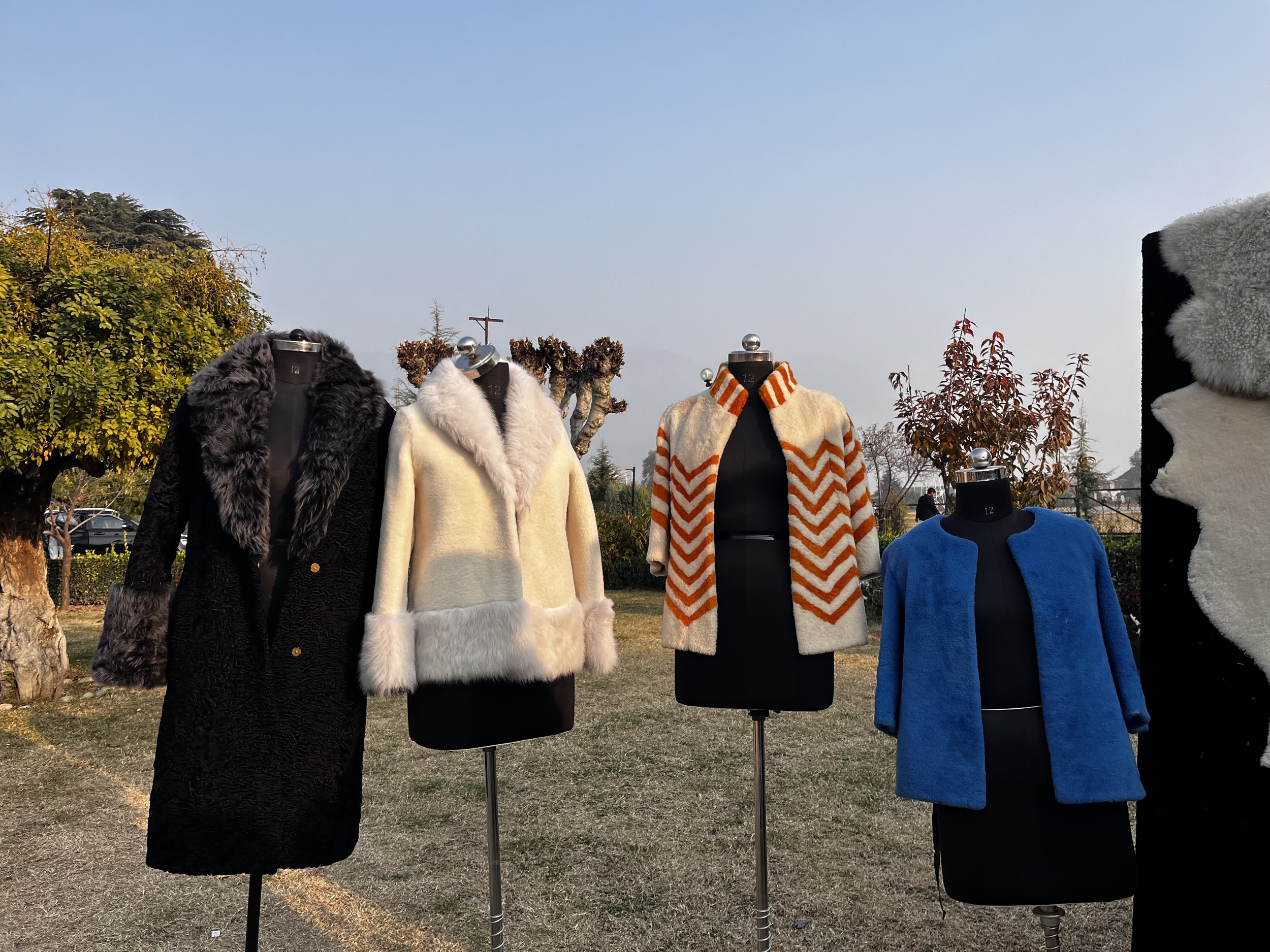
“People don’t realise that what they throw away can actually feed families,” he says. “We don’t kill animals for fur; we only use hides that are already discarded. Everything we do is by hand, using natural methods. Even small pieces are reused for gloves and caps. There’s no machine waste, no chemicals. This is what real sustainability looks like: using what we already have, respecting nature, and creating livelihoods in the process. It’s not just a business; it’s a movement.”
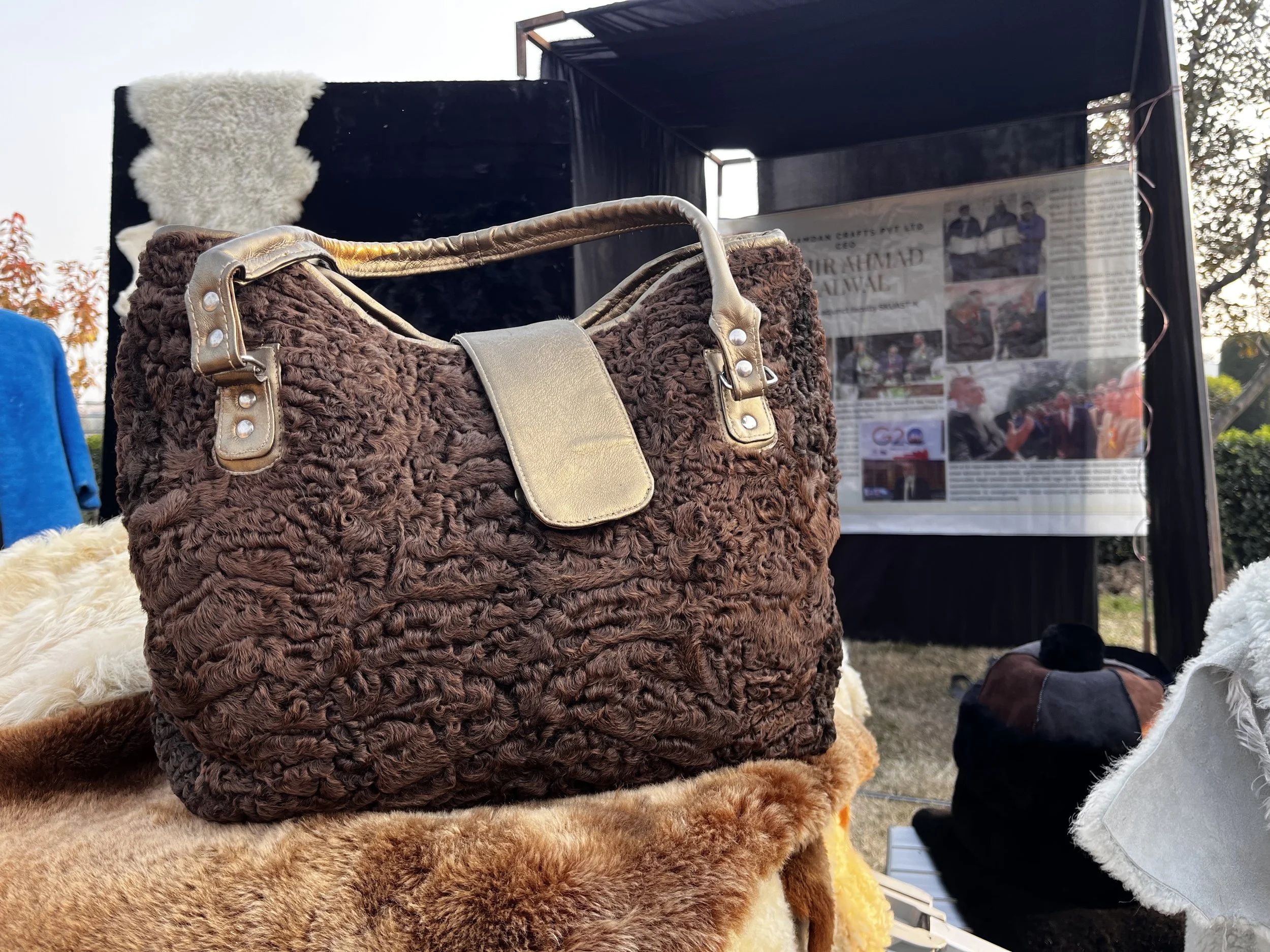
Empowering a New Generation
As more women join his training program, the workshop is becoming a space of empowerment. For many, it’s their first opportunity to earn an income or learn a skilled trade.
Shazia, a mother of two from Srinagar, says the work has changed her life. “Before this, I used to stay at home, worried about expenses. I had no idea how to earn,” she says.
“When I came here, I was nervous. But soon I learned how to cut, stitch, and design. I started earning and could help my husband with the household costs. The best part is that my children are proud of me. My daughter tells her friends, ‘My mother makes jackets!’ That’s worth more than any paycheck.”
Challenges on the Path
Despite the enthusiasm, the journey has not been easy. There are no modern tanning facilities in Kashmir, and most tools and dyes must be brought from outside. Financial support has been slow, even after government officials praised the initiative during exhibitions.
“I came back from Delhi for this,” Tahir says, his tone softening. “Sometimes I wonder if I made a mistake, because I could earn much more there. But then I look at these young faces, and I know it’s worth it. We’re not just making products; we’re rebuilding confidence. What we need now is proper support for a small factory, better marketing, and recognition for this craft at the national level. That would help hundreds of artisans like us.”
A Global Connection
Across the world, crafts like this are being rediscovered, and old techniques have been made relevant again in the age of sustainability. From alpaca-hide weaving in the Andes to leather cooperatives in Eastern Europe, artisans are finding modern meaning in traditional skills.
“Kashmir can lead this movement,” Tahir says firmly.
“We already have talent, raw materials, and a global market that values handmade, ethical work. What we need is the belief that our old crafts are not backward, they are the future. When people abroad buy something made here, they are not buying just a jacket. They are buying a story, one of survival, of culture, and of hope.”
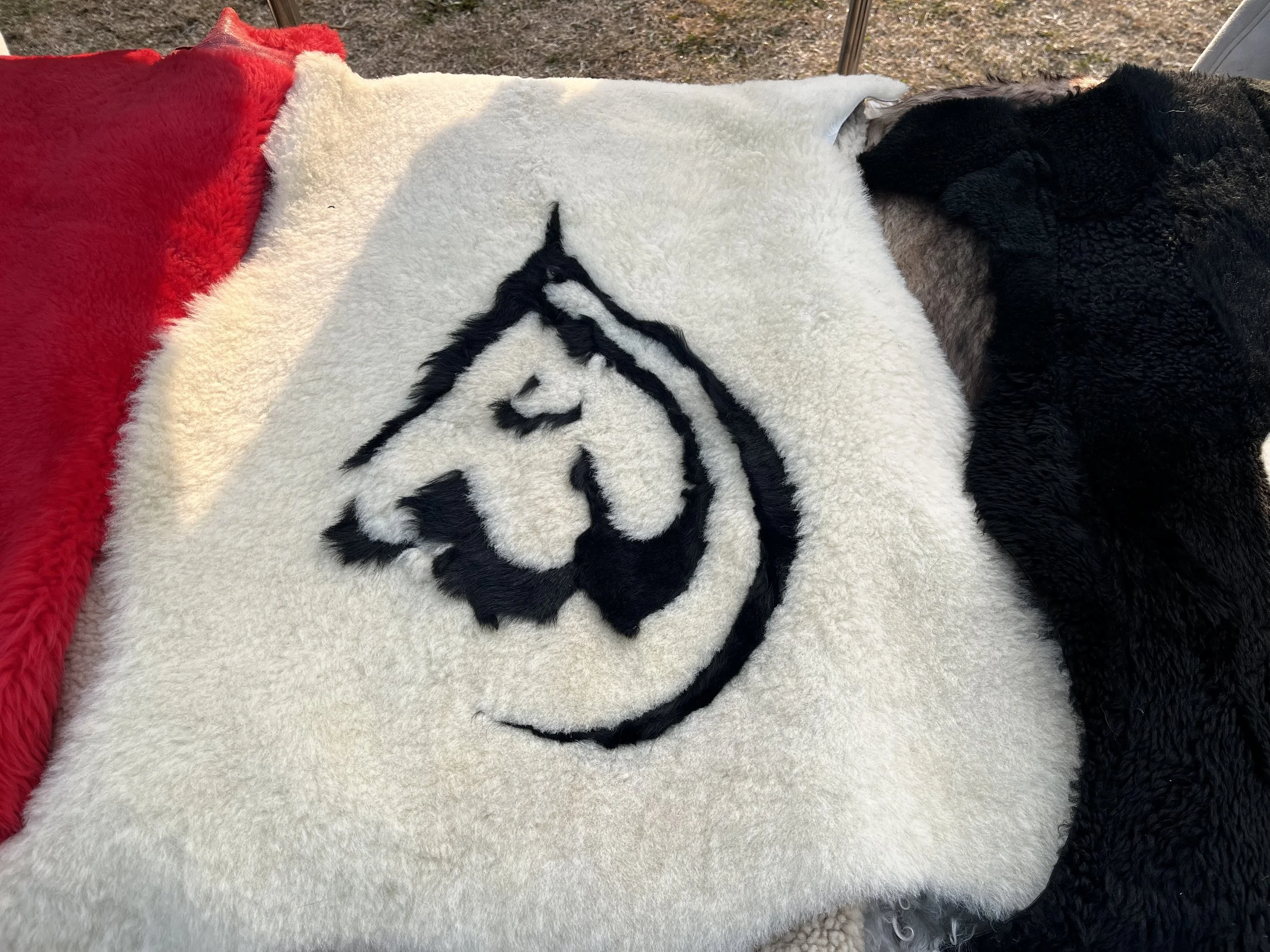
Hope in Every Stitch
In the fading afternoon light, the workshop glows with quiet purpose. The hum of sewing machines mingles with soft laughter. A half-finished coat hangs near the door, its fur shimmering in the sun.
“This is what keeps me going,” says Tahir, looking around the room. “Every stitch is a small act of change. We are saving a tradition, helping our youth, and proving that sustainability doesn’t have to come from big industries; it can start right here, in a small workshop, with hands that care.”
For the valley, this revival is not just a craft story. It is a reminder that even in a place marked by struggle, renewal can come from the simplest materials: a discarded hide, a pair of hands, and a will to begin again.
OVER TO YOU -
OVER TO YOU -
Stories like Tahir’s remind us that the revival of a craft is never just about materials; it's about people, resilience, and the quiet courage to begin again. If this story moved you, here are a few ways you can be part of this journey:
Choose Craft With a Conscience
If you’re interested in buying handmade sheepskin products or supporting Tahir’s workshop, the best path right now is direct communication. His initiative is still grassroots, without a formal website or store, but local artisan networks and Kashmir-based NGOs often help connect buyers with craft clusters like his. Reaching out can open a door for both sides.
Hamdan Craft Revival Foundation (HCRF) is a Kashmir-based NGO focused on preserving traditional crafts, empowering artisans, helping them access markets and policy support, and building sustainable livelihoods. They work on craft advocacy and artisan support, and you can contact them directly via info@khcrf.org or phone +91 94190 70707 (Srinagar base) if someone wants to learn more or connect with local artisans.
Support Artisan Ecosystems
Even if you cannot buy directly, you can support organisations in Kashmir that work with traditional crafts, training, and livelihoods. These groups often provide tools, raw materials, and marketing support to artisans like Tahir — and your contribution can help expand that reach.
Share the Story
Revival movements grow when more people know they exist. Share Tahir’s journey with friends, journalists, or craft communities. Your voice can help bring visibility, buyers, collaborations, and maybe even the recognition that artisans in Kashmir have long deserved.