

Luxury in the Quiet: The Enduring Language of Pashmina
BY NUMAN BHAT AND MEHROOB MUSHTAQ
Once a symbol of royal indulgence, the Pashmina shawl is reclaiming its place in contemporary wardrobes. Being hand-crafted, ethical, and seasonless, the Pashmina proves that heritage and sustainability can coexist beautifully in modern fashion.
Srinagar, Jammu & Kashmir: The little master carver of threads, Anisa Bhat, sits cross-legged on the wooden floor of her Srinagar home. One hand steadies the spinning wheel; the other draws out a whisper of wool, soft as breath. The light catches the strand as it twirls in her fingers.
She smiles, not looking up.
“Every thread carries the story of generations,” she says. Around her, baskets brim with clouds of hand-spun Pashmina, ready to be woven into shawls that have long defined Kashmir’s cultural and artistic legacy.
In a world where speed defines value, Anisa’s slow, deliberate craft is an act of quiet resistance. Here, in the heart of the valley, luxury is not loud. It is measured in time, touch, and the devotion of hands that refuse to rush.
From Royal Courts to Conscious Closets
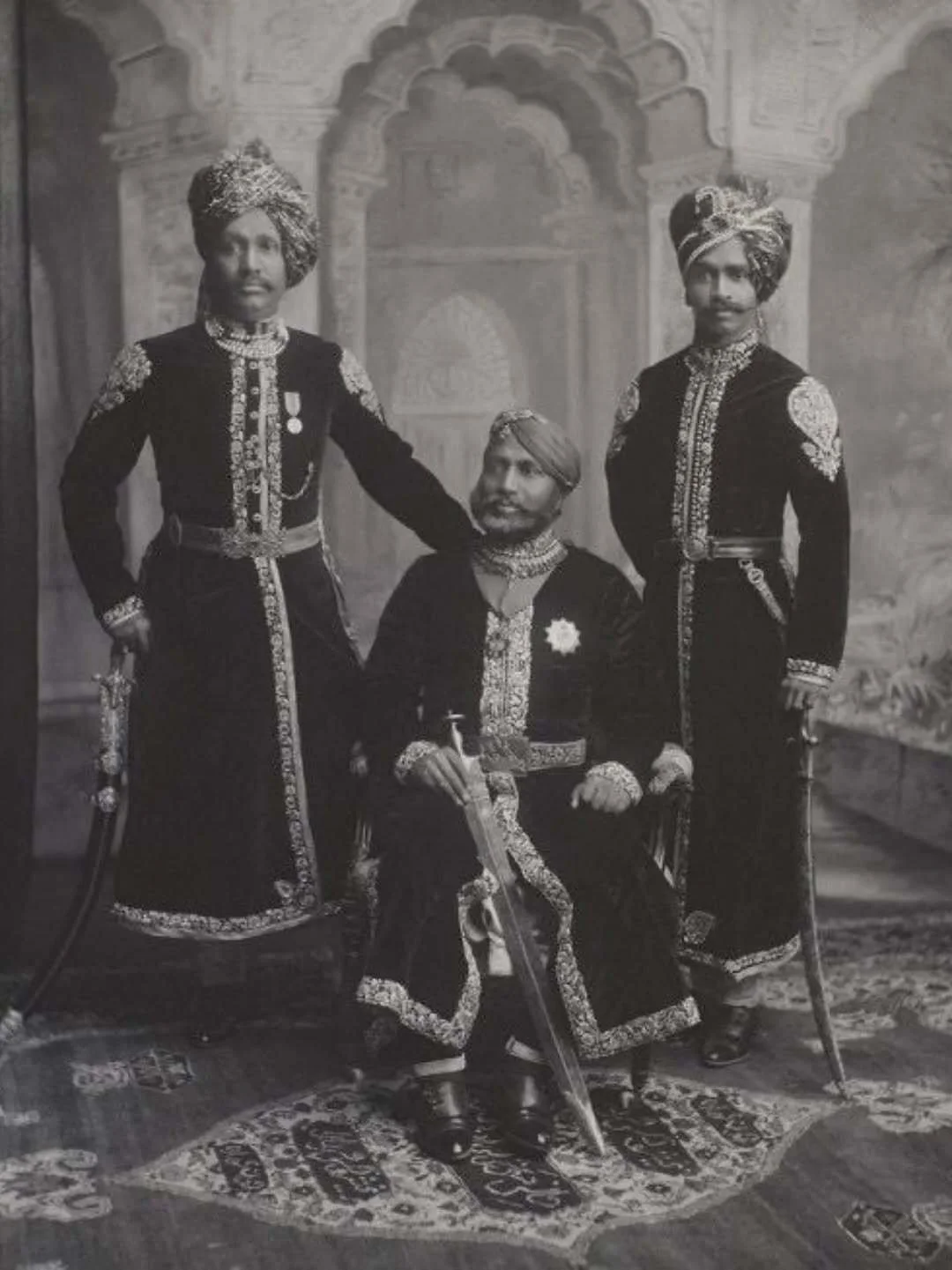
For centuries, the word Pashmina derived from the Persian word pashm, meaning “soft gold”, which adorned emperors, queens, and aristocrats from Central Asia to Europe. Woven from the fine undercoat of the ‘Himalayan Changthangi goat’, its warmth and softness made it one of the world’s most prized textiles.
Each authentic Pashmina shawl is a work of endurance: the wool is hand-combed, spun into yarn by women like Anisa, and woven on traditional wooden looms—a process that can take weeks or even months.
But as the global textile market modernised, this heritage art form faced decline. Mechanised imitations and synthetic “cashmere” flooded markets, pushing authentic Pashmina to the margins.
Many artisans abandoned the loom, seeking livelihoods elsewhere.
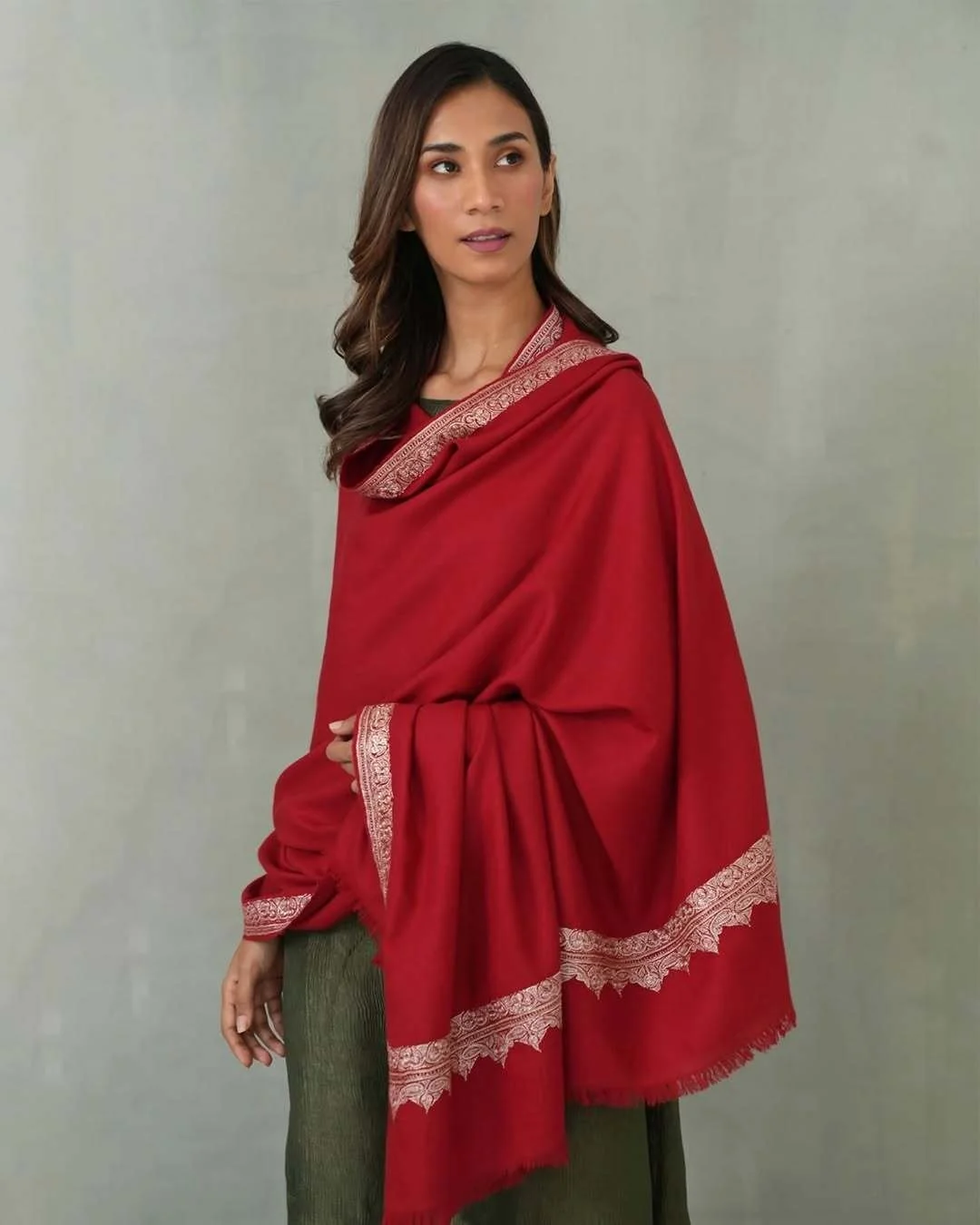
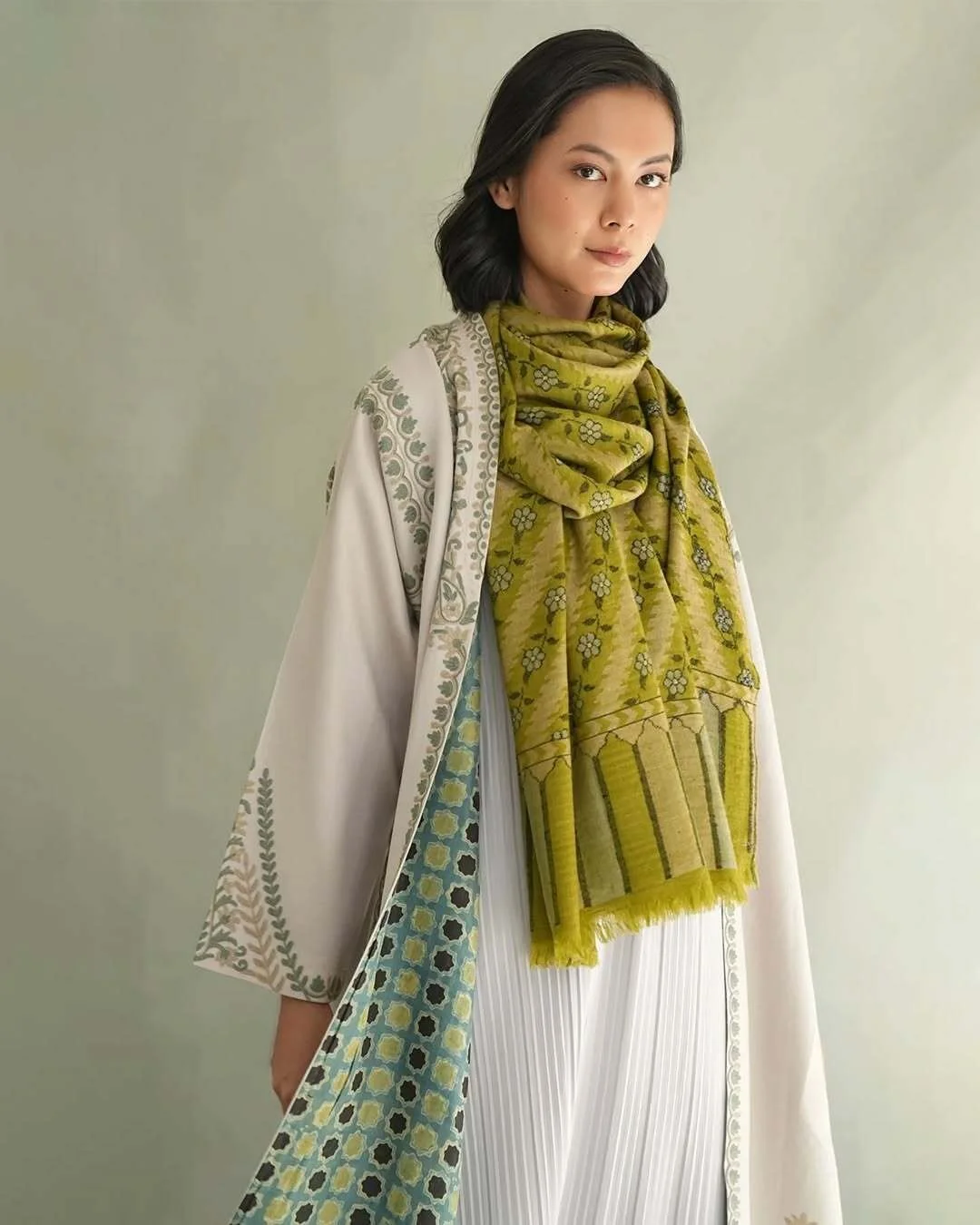
Today, a quiet revival is underway. A new generation of Kashmiri designers and entrepreneurs is redefining what Pashmina means, positioning it not as nostalgia, but as the very future of ‘slow, sustainable luxury’.
Modern Makers, Ancient Craft
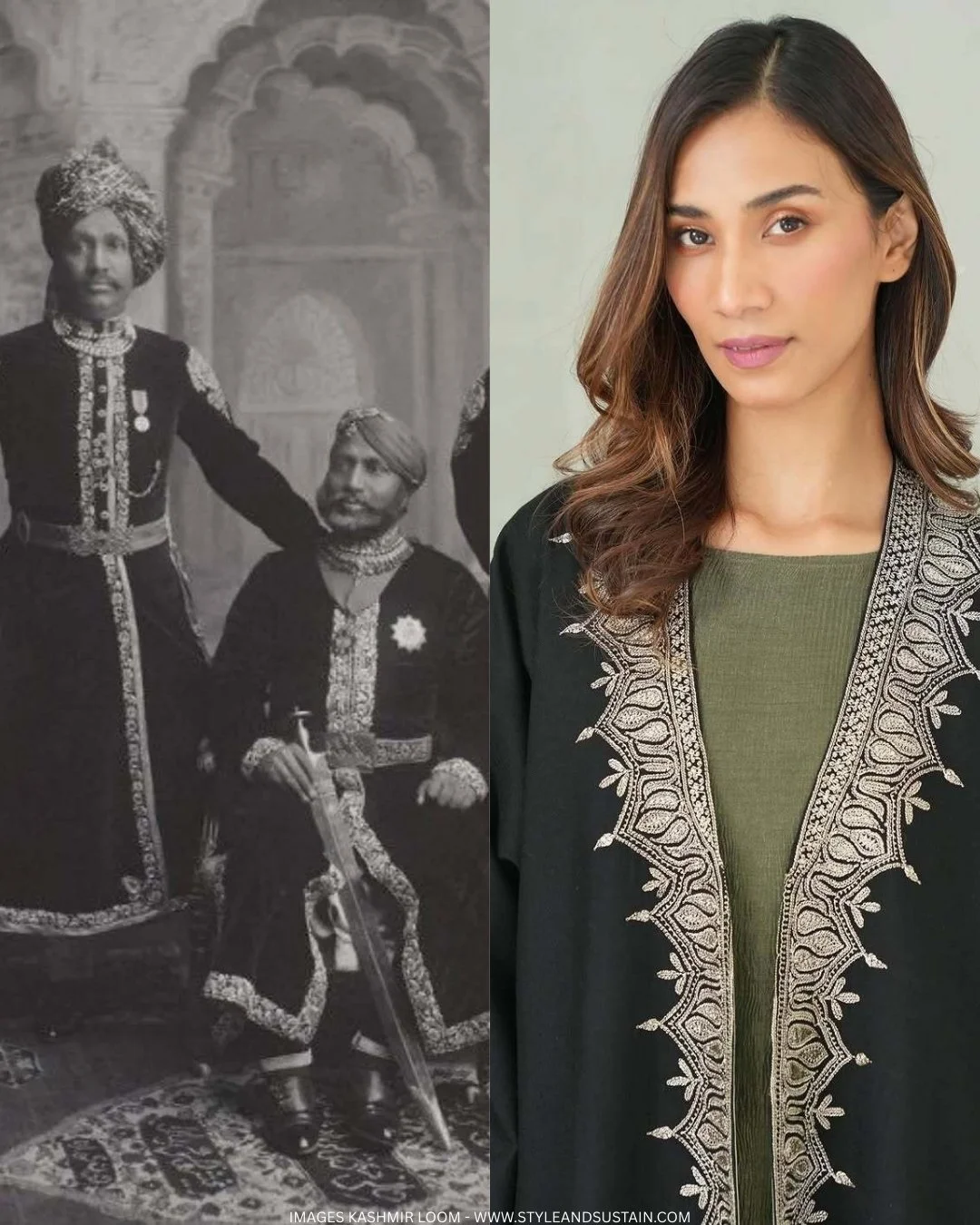
With Kashmir looms, the idea is simple yet powerful: to show that handmade craft belongs as much to the present as to the past. Each piece bridges heritage and modern living—elegant, purposeful, and deeply human.
Their pieces—minimalist wraps, reversible stoles, and textured shawls—reflect a pared-down sophistication that resonates with international consumers who seek meaning in what they wear. The brand’s success proves that ethical craftsmanship can compete on the global luxury stage without compromising its roots.
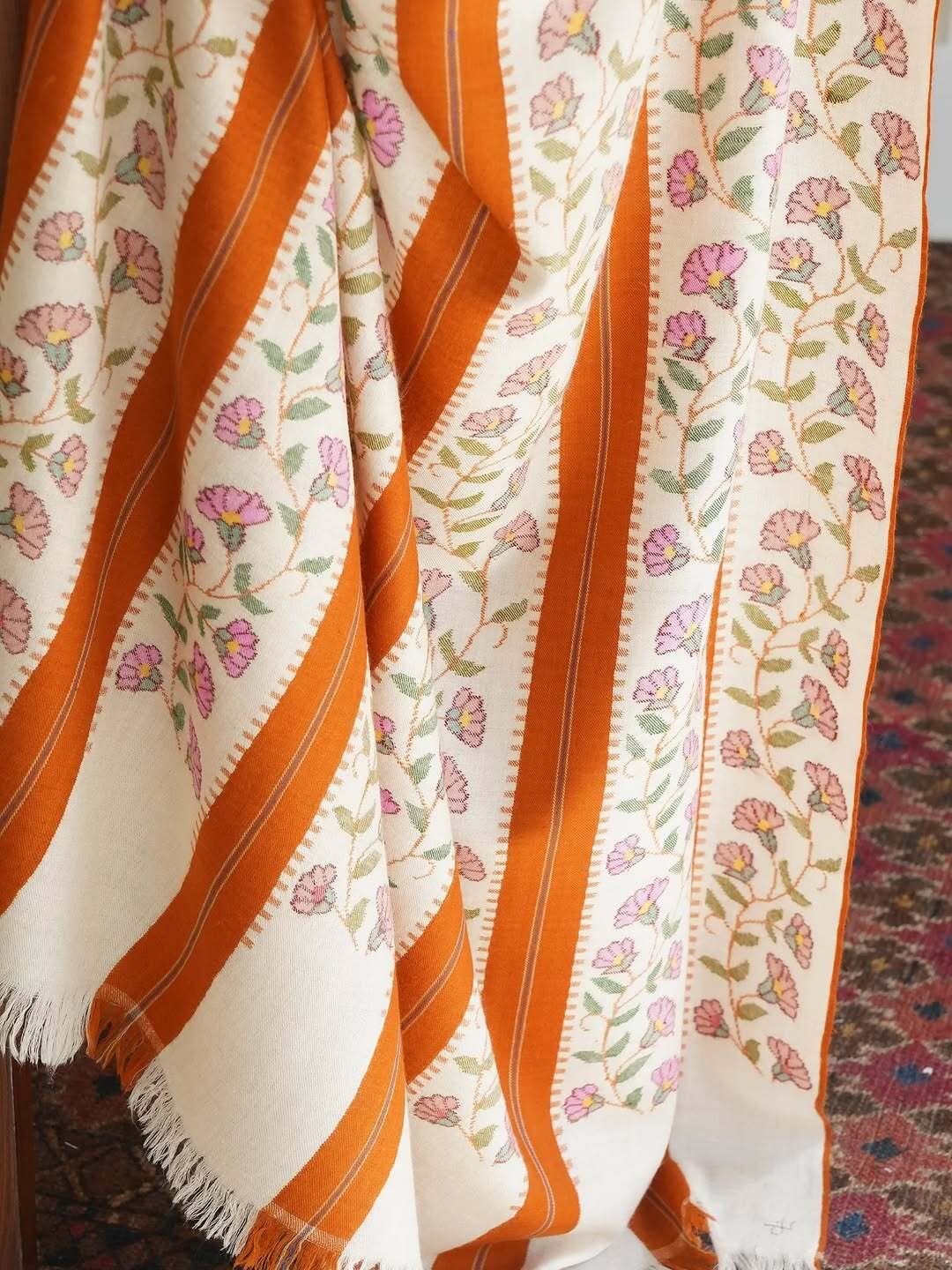
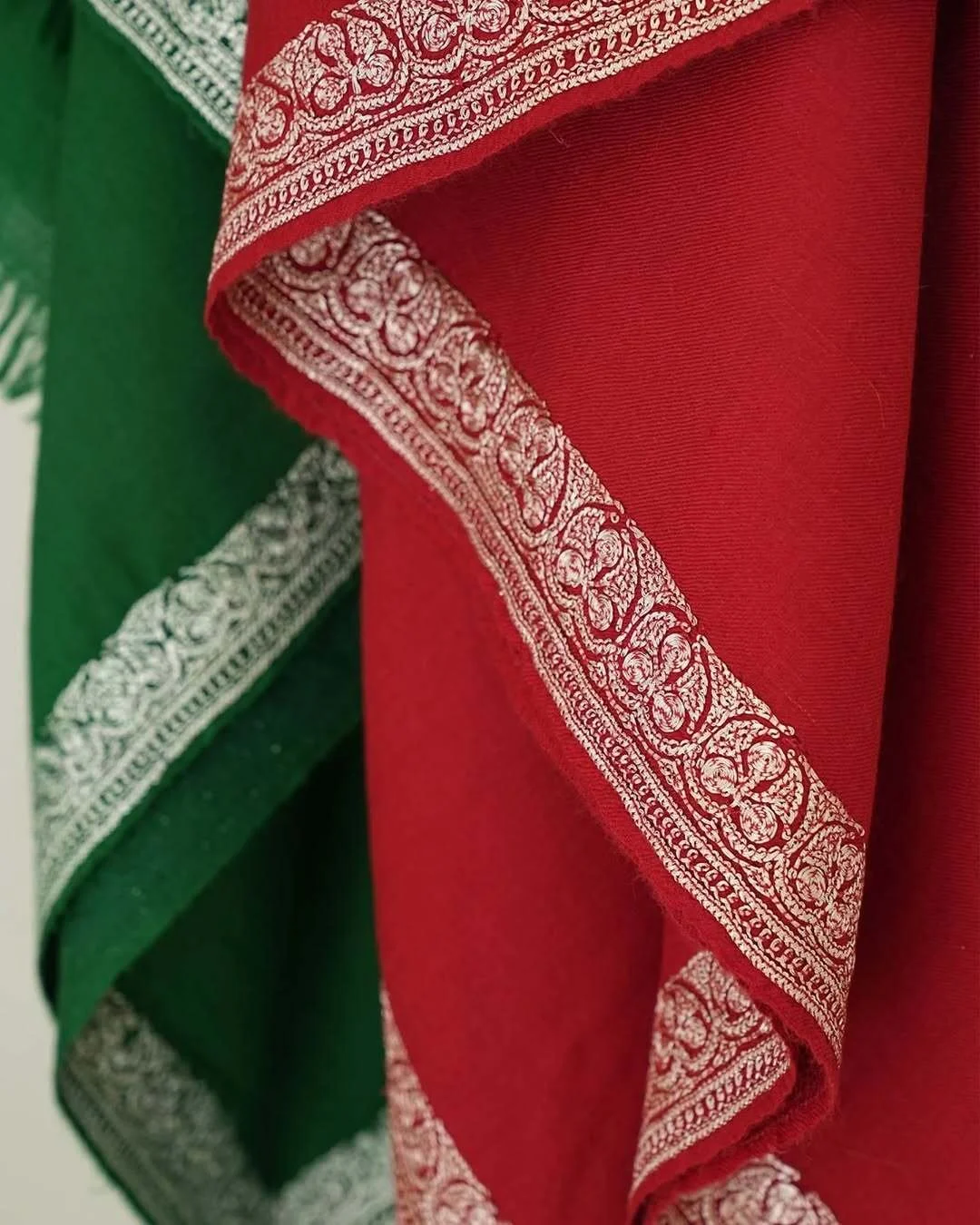
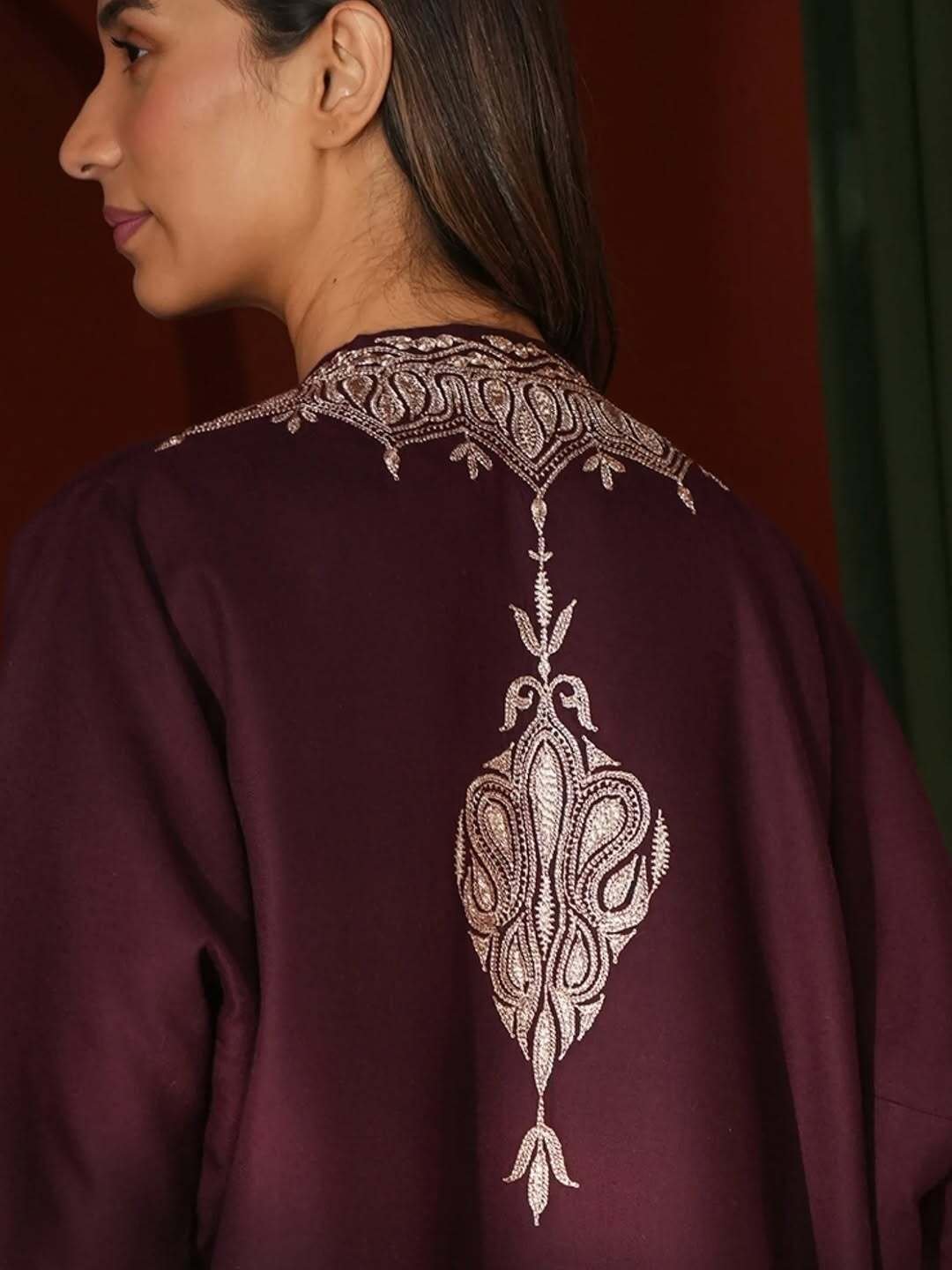
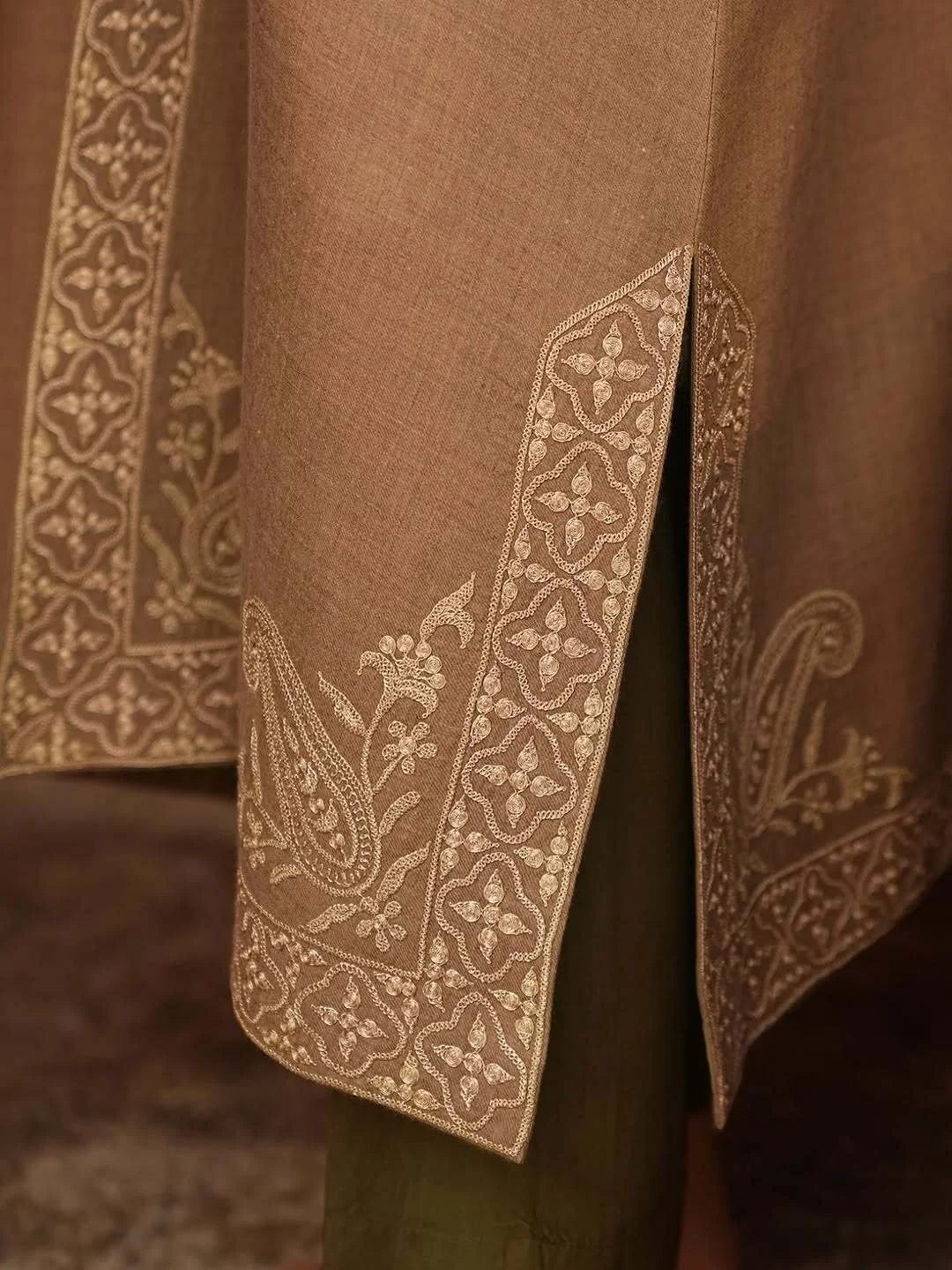
At the mid-scale level, Namia Noor takes a more design-driven approach. Known for her subtle geometry and muted tones, the designer experiments with natural dyes and hand embroidery to reinterpret the classic shawl.
Fiza says her focus is “to bring the spirit of Kashmir into modern silhouettes”.
Her collections merge tradition with innovation—a reversible scarf here, a hybrid poncho there—allowing Pashmina to transcend occasion and geography. “We design for the global woman,” Namia adds. “Someone who values craft and conscience in equal measure.”
At the grassroots, Mehreen Nisar, a boutique brand run by a young artisan-turned-entrepreneur, embodies the raw heart of the Pashmina story.
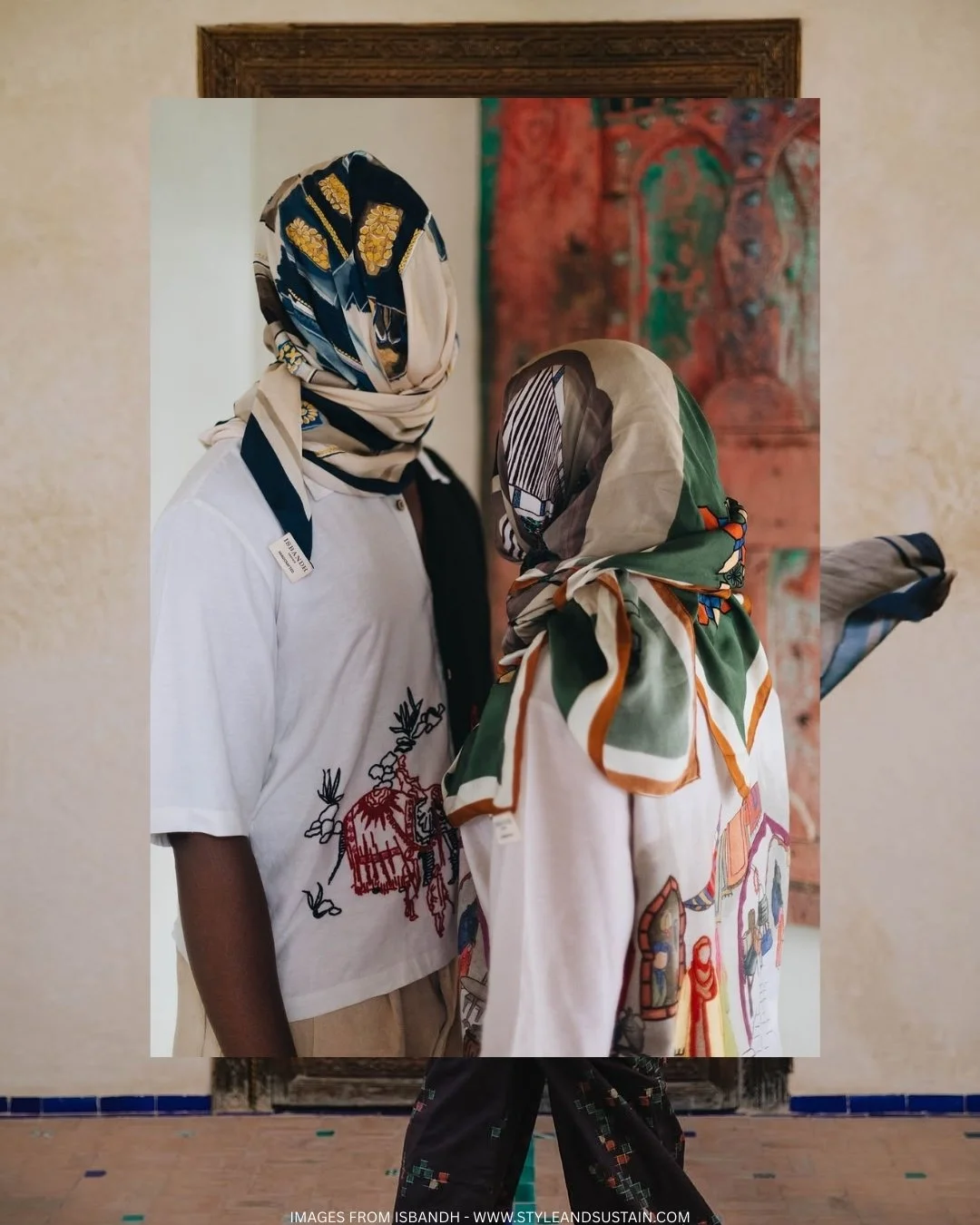
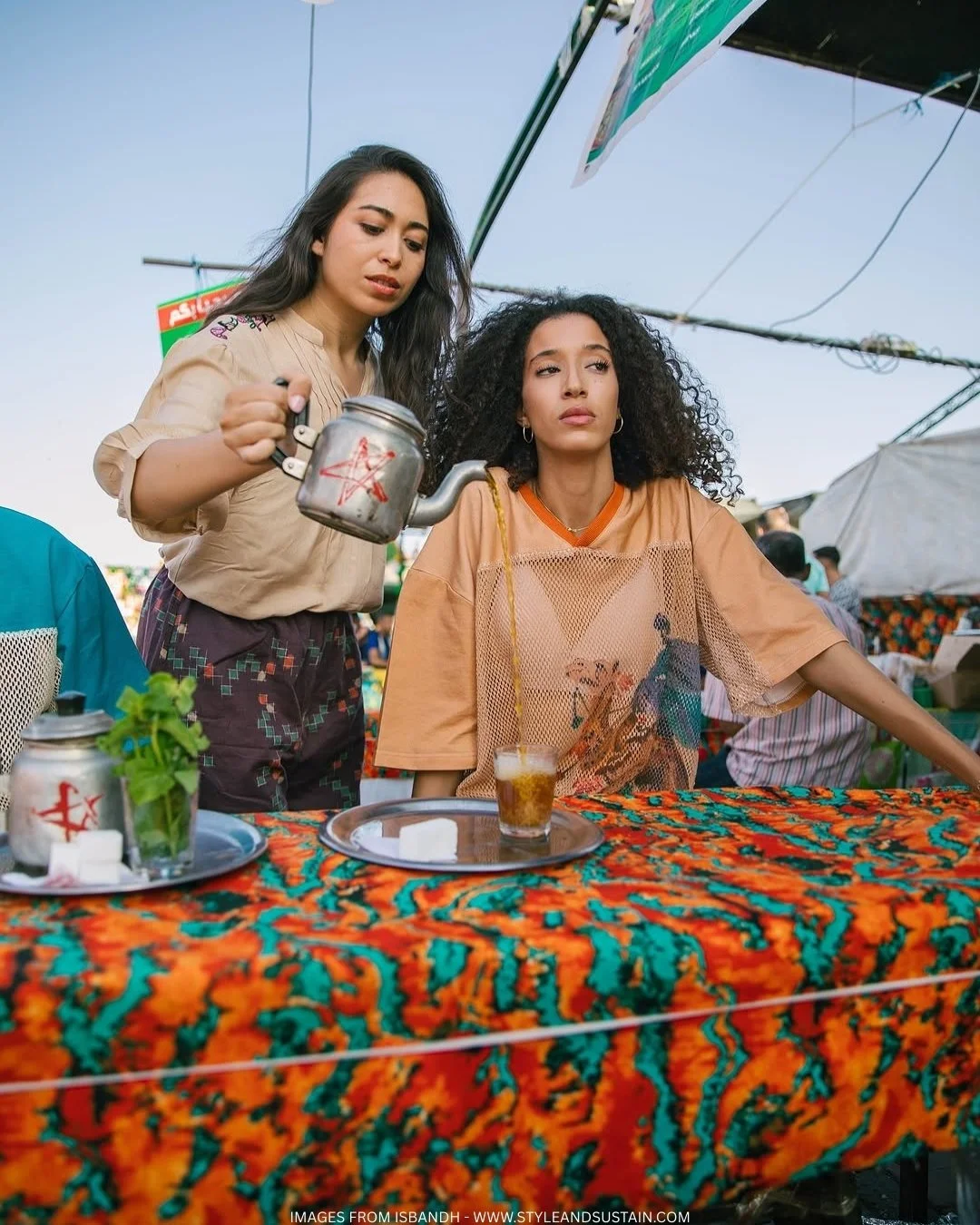
Producing small batches from local cooperatives, Mehreen’s creations for her brand Isbandh stress community-led production and region-specific techniques.
“Every shawl has a name, a maker, a memory,” she says. “When someone wraps it, they wear a piece of our valley.”
Few textiles embody sustainability as inherently as Pashmina. Every step of its creation, from combing the wool to hand-spinning and weaving, follows the principles of “slow fashion”.
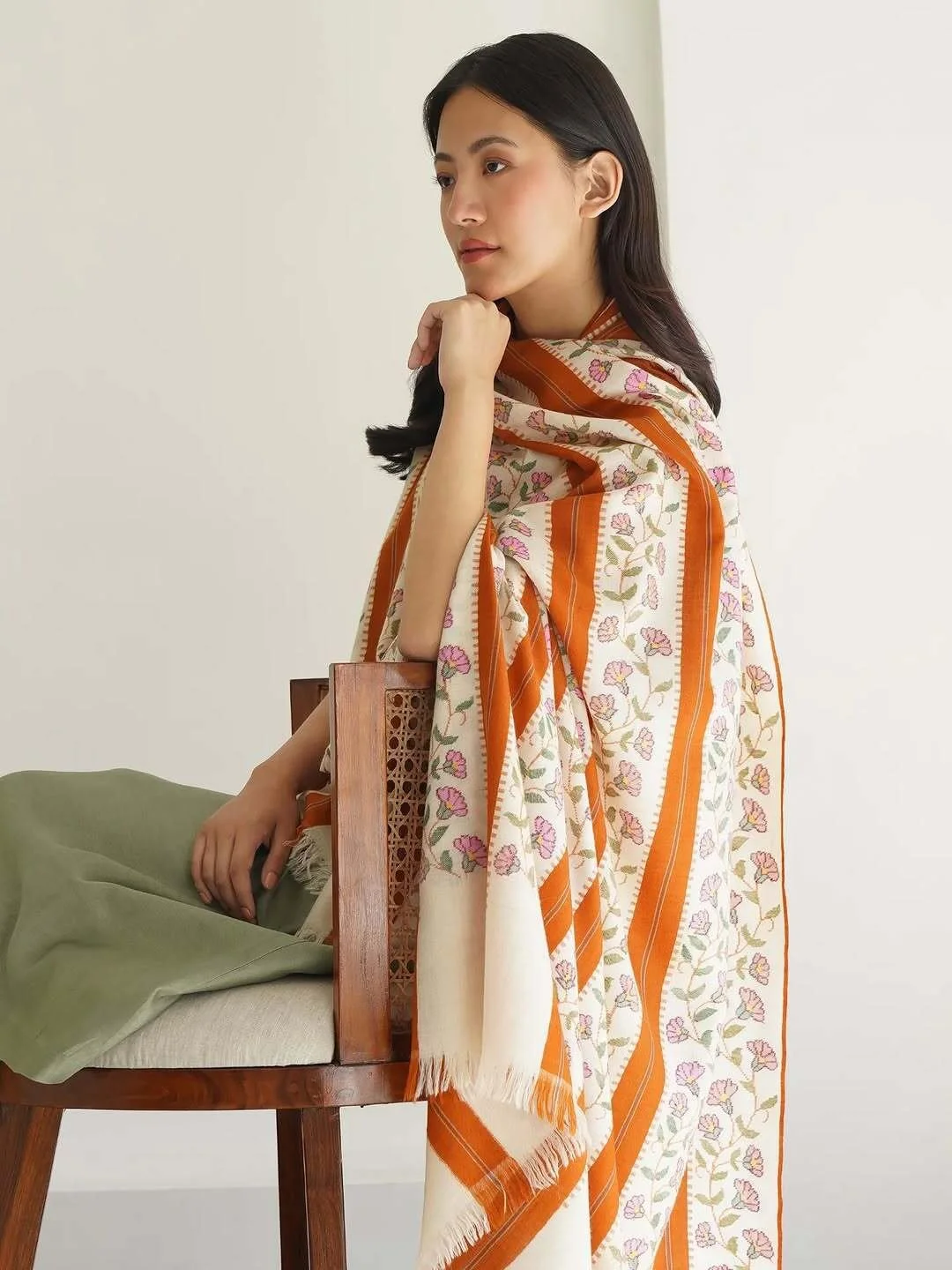
The raw fibres are natural and biodegradable, collected gently from the goats without harm. The spinning and weaving processes use no electricity, and many artisans rely on vegetable-based dyes. The carbon footprint is minimal; the social footprint, profound. Unlike fast fashion pieces designed for obsolescence, a Pashmina shawl is timeless. It resists trends, transcends seasons, and often becomes an heirloom. In that sense, it offers not just warmth but continuity—a link between wearer and maker, past and present.
“Each thread carries a responsibility,” says Aadil Khan.
“Sustainability for us is not a marketing term; it is a way of life. We see it in the rhythm of the loom, in the patience of the hands, in the dignity of work.”
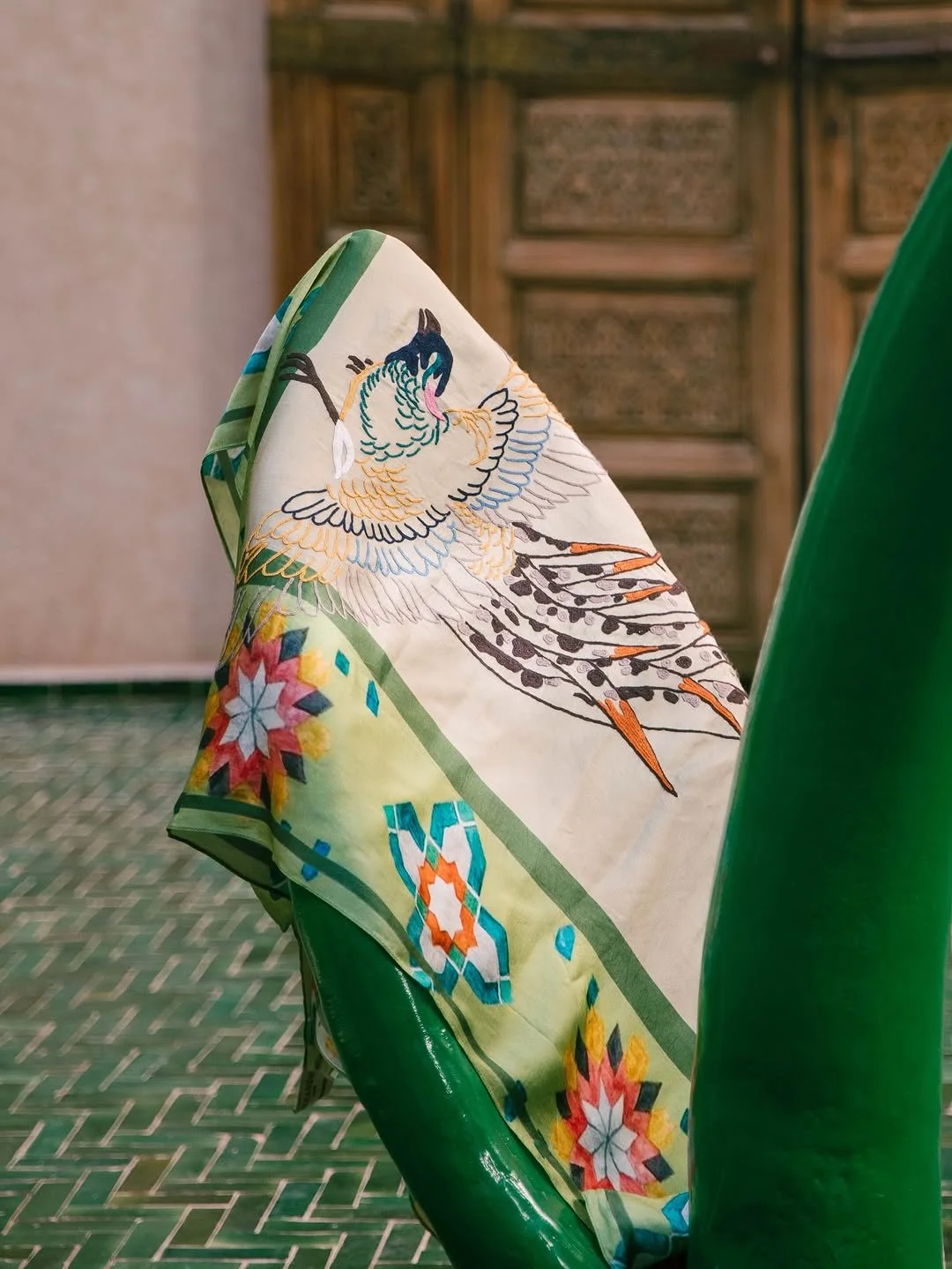
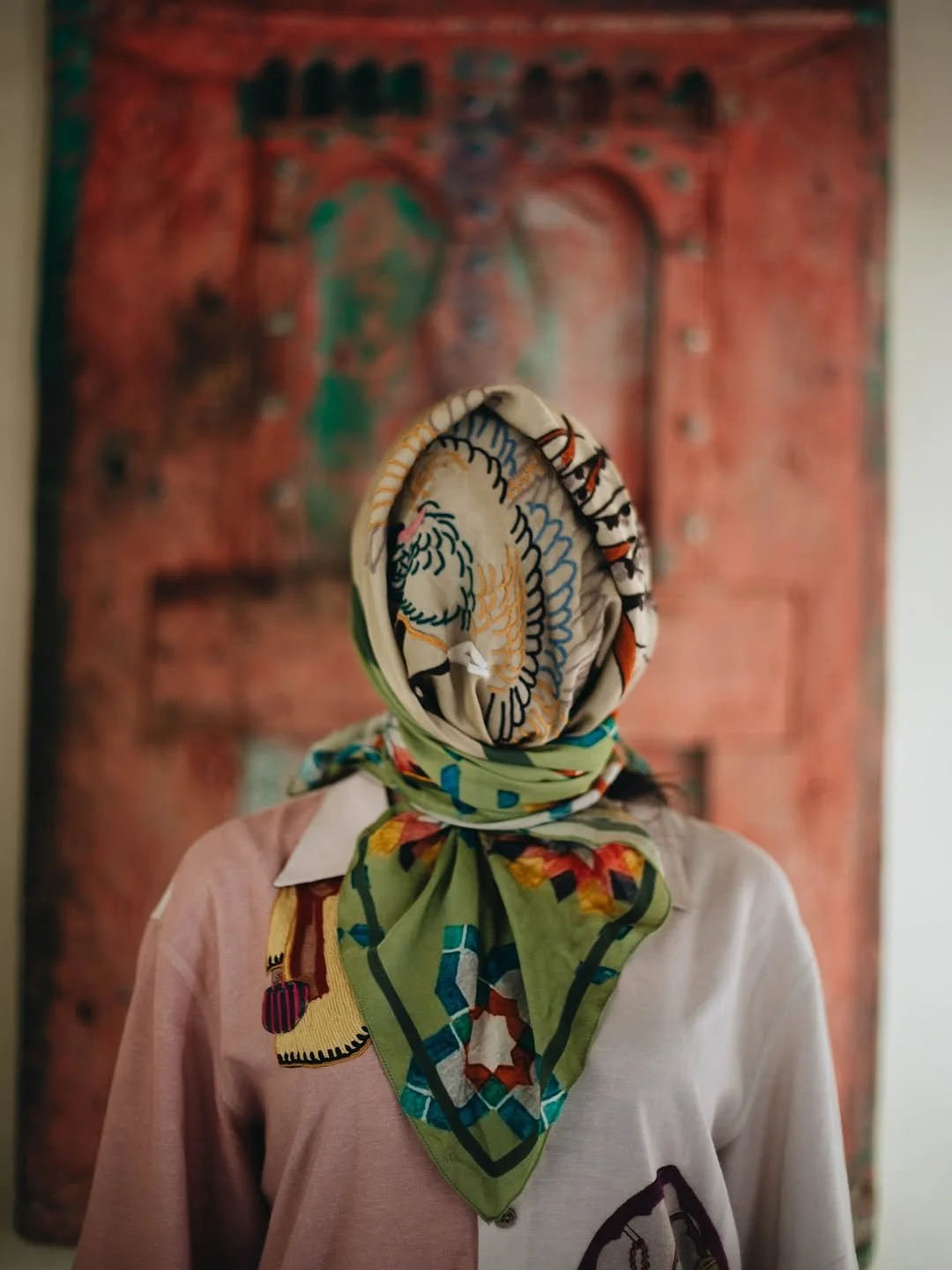
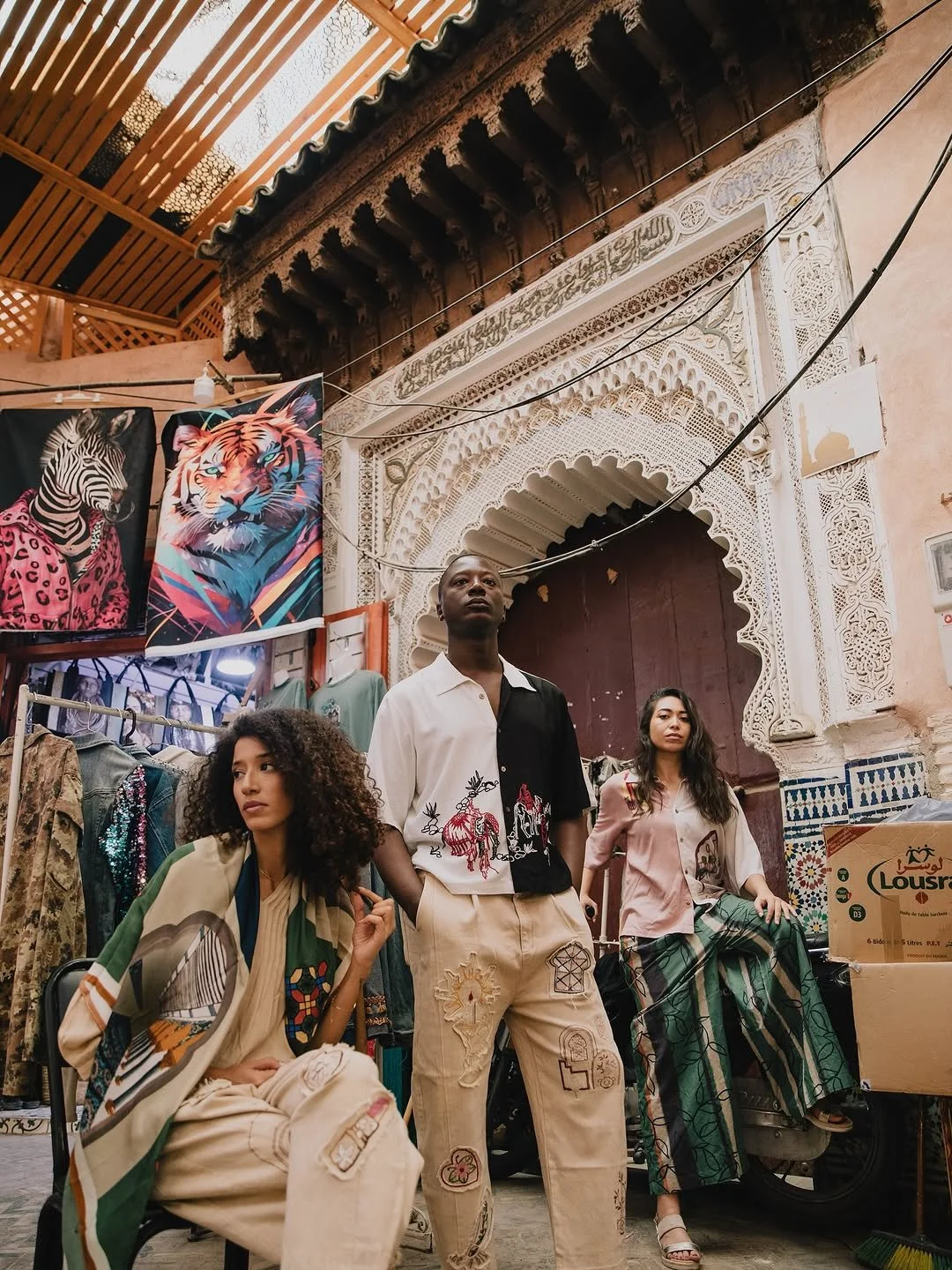
Social media has played an unexpected role in this renaissance, allowing heritage to be displayed as it meets modern luxury. Artisans and brands now share glimpses of their craft—the loom’s texture, the hush of workshops, the finishing tassels of a shawl—connecting global audiences to the intimacy of creation.
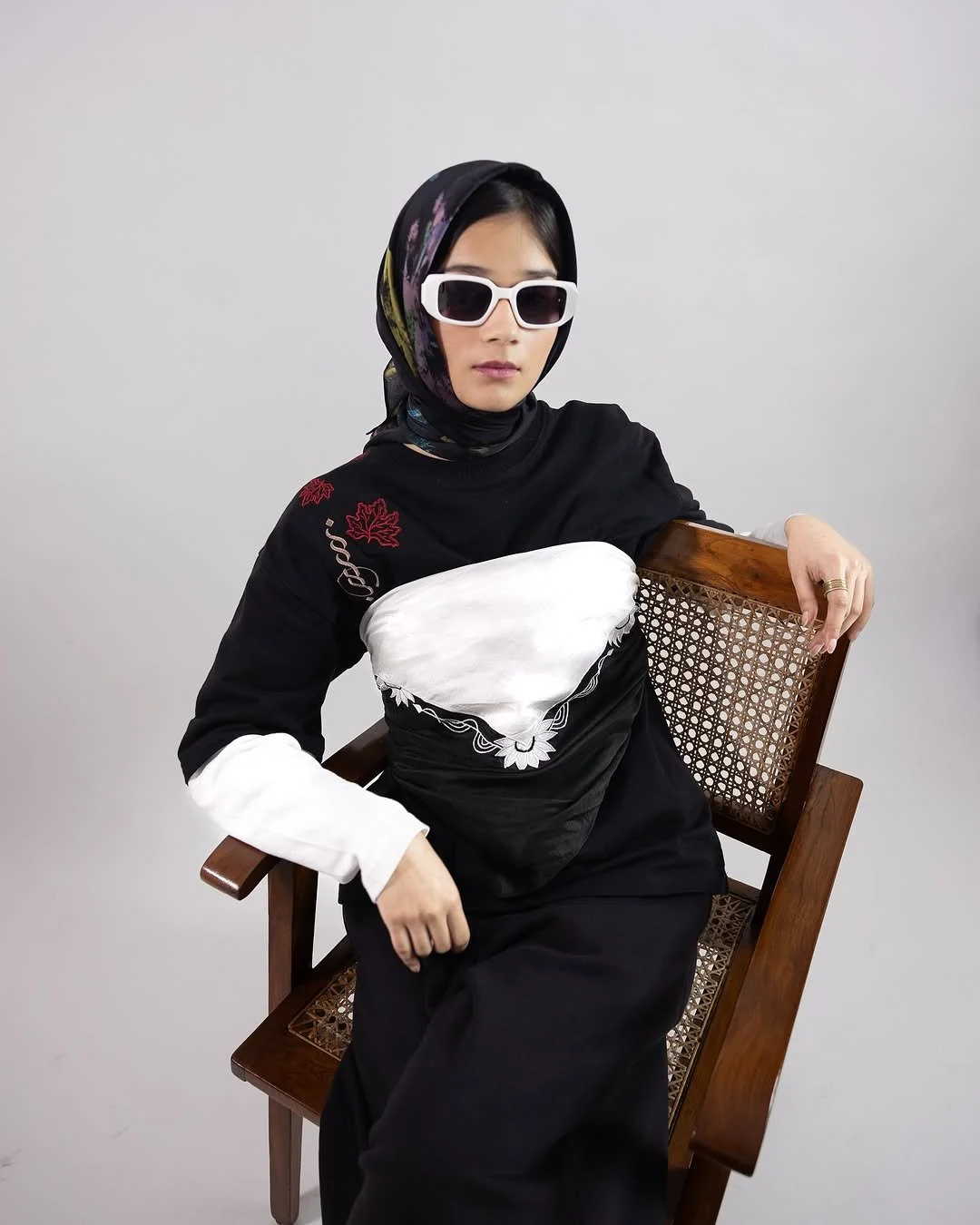
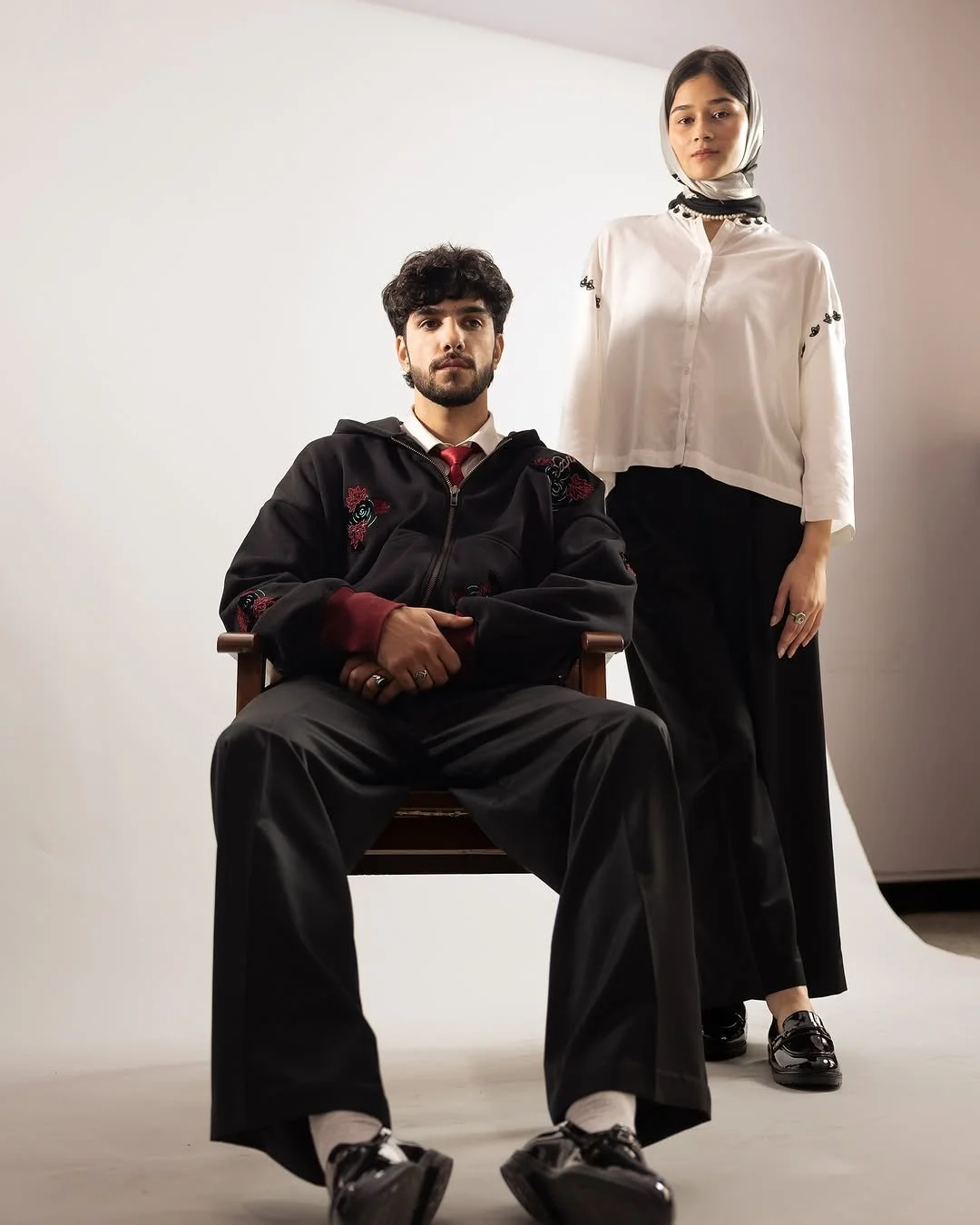
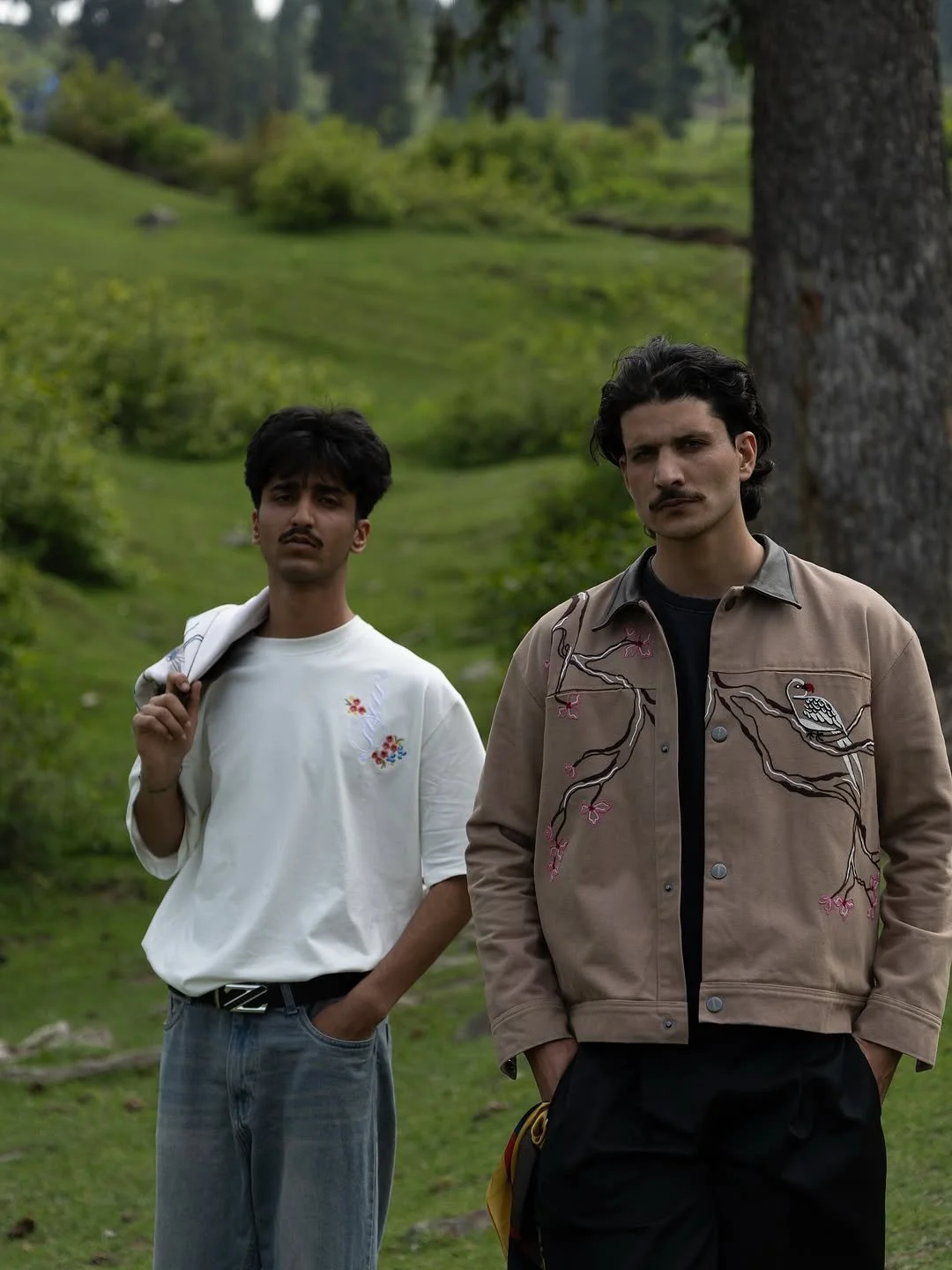
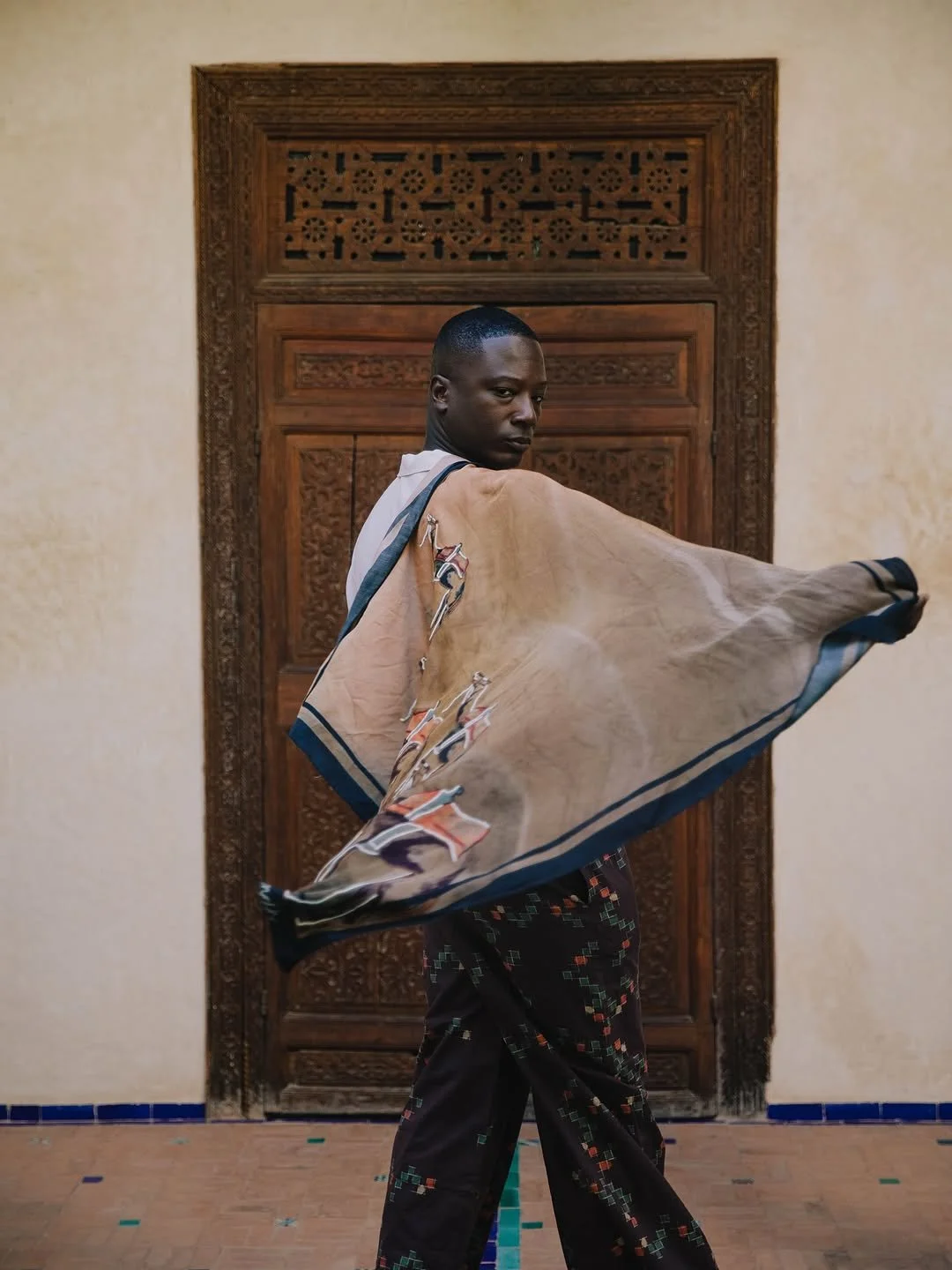
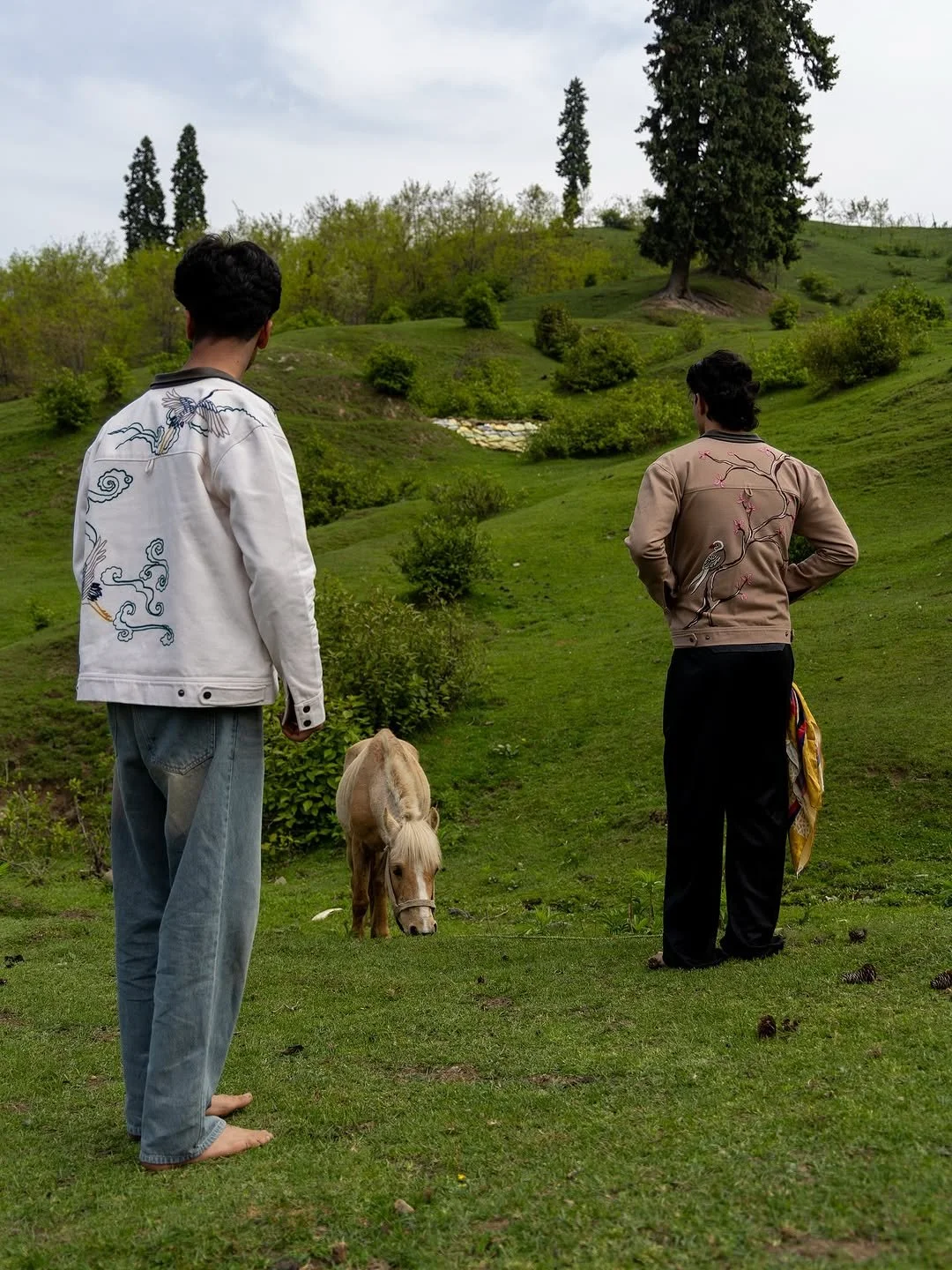
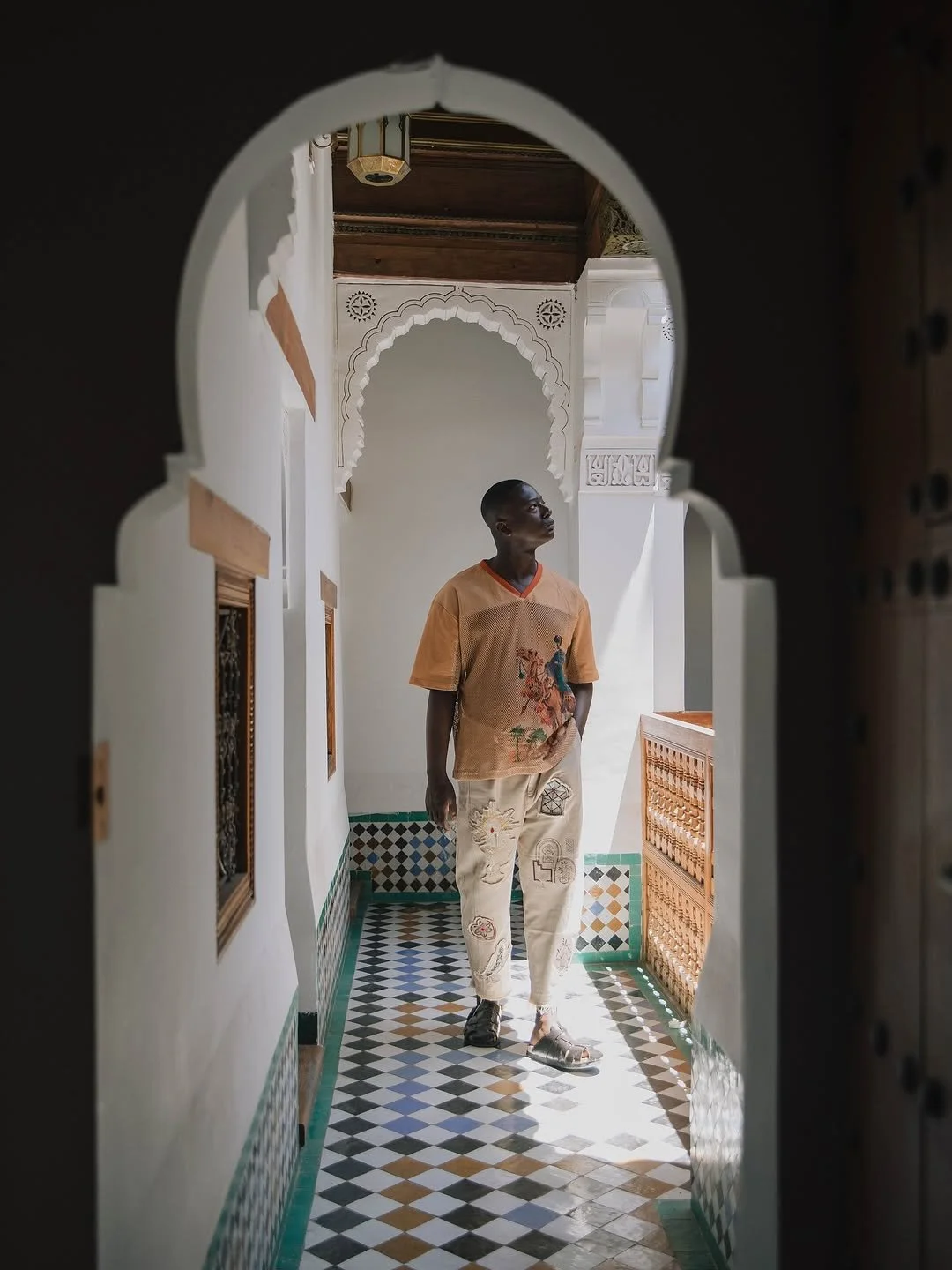
For younger consumers in Europe and Asia, this storytelling has shifted Pashmina’s image from an heirloom to a living, wearable art form. Stylists now pair it with minimal urban looks, over linen dresses, tailored coats, or denim, highlighting its versatility and modern relevance. In editorials and boutiques from Paris to Tokyo, Kashmiri shawls are reappearing, not as exotic souvenirs, but as emblems of a new kind of luxury: quiet, conscious, deeply rooted.
Threads of Continuity
Yet challenges persist. Climate change threatens goat herding in Ladakh; younger artisans often seek more stable work; counterfeit markets still abound. But optimism threads through the valley like the warp and weft of a new beginning. Collaborations between brands and fair-trade organisations are helping stabilise artisan incomes. Fashion schools in India and Europe are studying Kashmiri weaving traditions as models of circular design.
Governments and NGOs are slowly recognising that preserving crafts like Pashmina is not just cultural, but ecological. As Mehreen puts it, “Sustainability doesn’t only mean saving the planet; it means saving the people and their knowledge.”
The Future Is Slow
As dusk settles over Srinagar, Anisa Bhat winds the last of her yarn and rests her hand on the wheel. Her workshop is silent now, except for the soft rustle of finished shawls, each one a quiet triumph of patience over haste.
“We are not just making fabric,” she says. “We are keeping a dialogue alive, between the mountains, the goats, our hands and the world.”
In every weave lies a promise: that beauty, when made with care, endures. Kashmir’s Pashmina—spun from cold winds, woven in warm hands—continues to tell the world that luxury and responsibility can share the same thread.