

Colombia’s Sustainability Bet: Taking Swimwear to New Ethical Heights
As sustainability reshapes the global fashion landscape, Colombia is increasingly positioning swimwear as its signature category for innovation and responsible production. Building on decades of technical expertise, high-quality local manufacturing, and a strong textile heritage, Colombian brands are using swimwear as a platform to experiment with sustainable materials, ethical labor practices, and more conscious production models. In doing so, the country is redefining its international identity—transforming a historically successful sector into a leading example of how fashion can balance creativity, performance, and environmental and social responsibility.
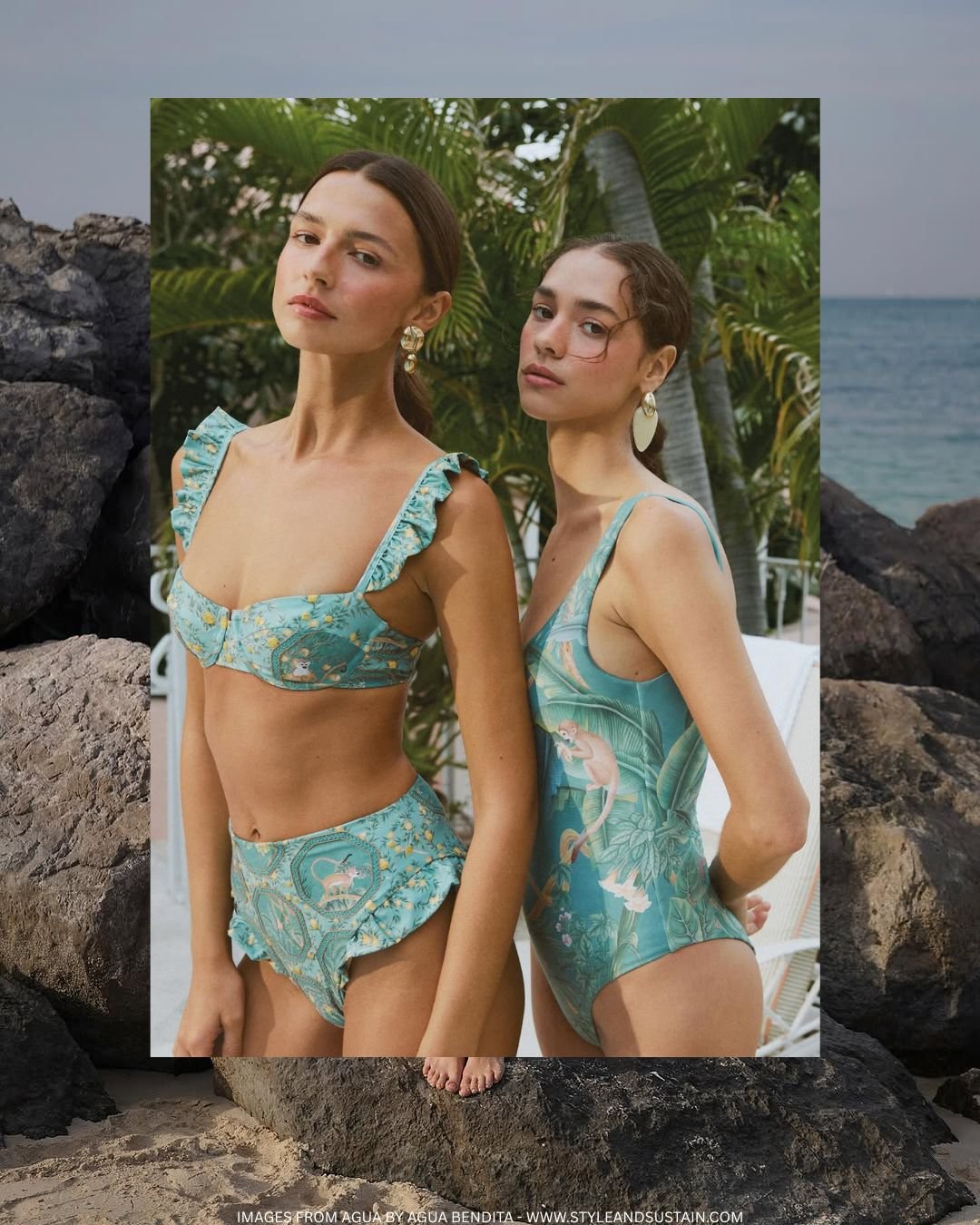
Colombia has long been considered one of the most important textile centers in Latin America. With a well-established industry, a strong artisanal tradition, and a new generation of designers challenging traditional production models, the country is currently experiencing a moment of transformation.
Amid a global conversation in which sustainability has become increasingly urgent, many Colombian brands are rethinking how garments are designed, produced, and consumed.
For many years, the international identity of Colombian fashion was primarily associated with its creativity, its technical mastery of denim, and particularly the strength of its swimwear industry. In recent years, however, the conversation has evolved. Beyond aesthetics or international recognition, the industry is increasingly focusing on issues such as traceability, social impact, textile innovation, and responsible production models.
Sustainability in Colombian fashion does not follow a single formula. For some brands, the starting point lies in the recovery of artisanal techniques; for others, it is found in material innovation or in the development of slower, more conscious production models. What unites these projects is a shared intention to rethink the value of clothing in a context where fast fashion has accelerated both consumption and production cycles.
In many cases, this transition has emerged from a direct relationship with the country’s cultural heritage. Colombia has an extraordinary diversity of textile techniques, including embroidery, handloom weaving, crochet, and natural dyeing. For generations, this knowledge has been passed down within artisan communities, often outside the industrial circuits of fashion. Today, several brands are recognizing the value of these practices not only as cultural heritage but also as part of a more human and sustainable production model.
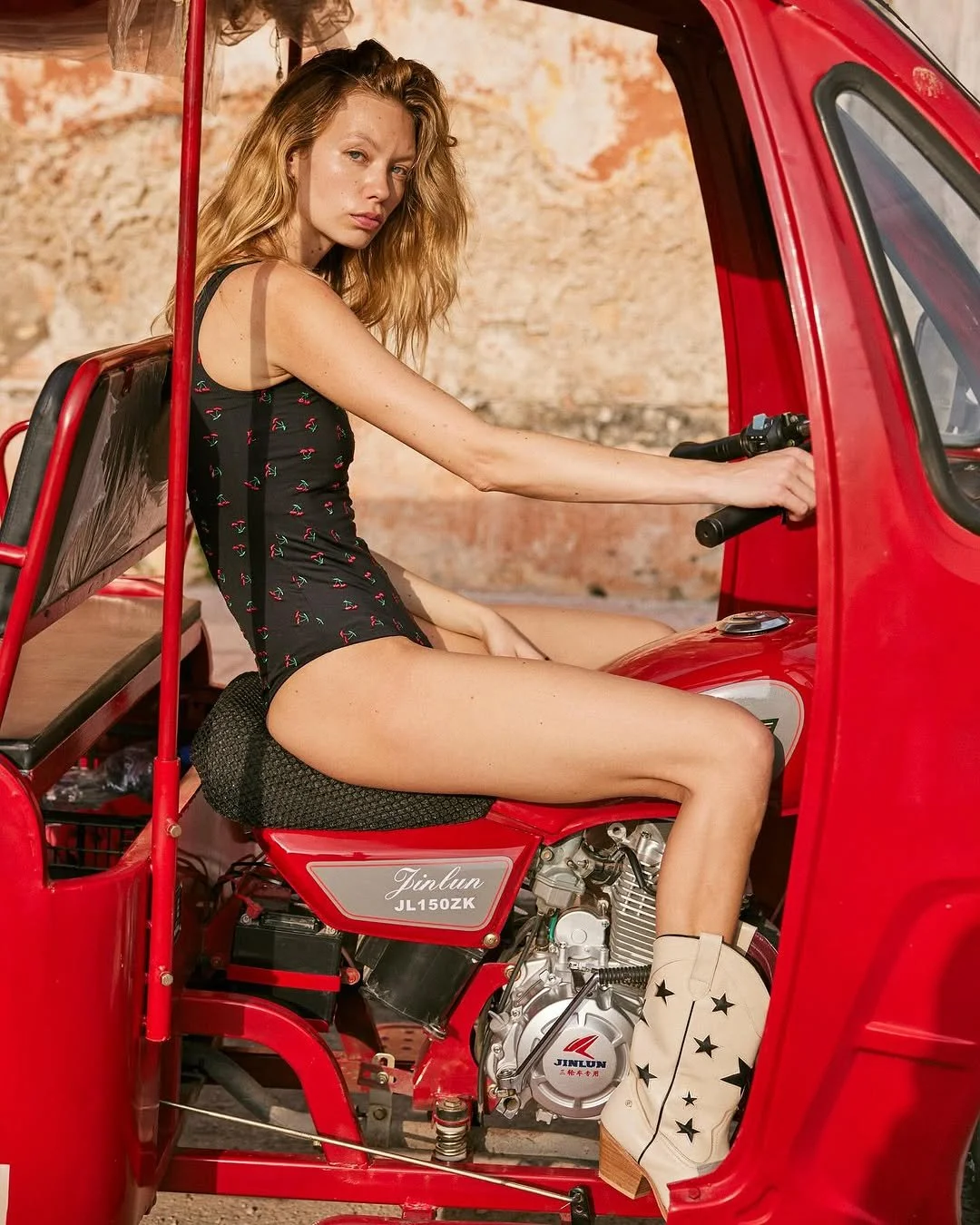
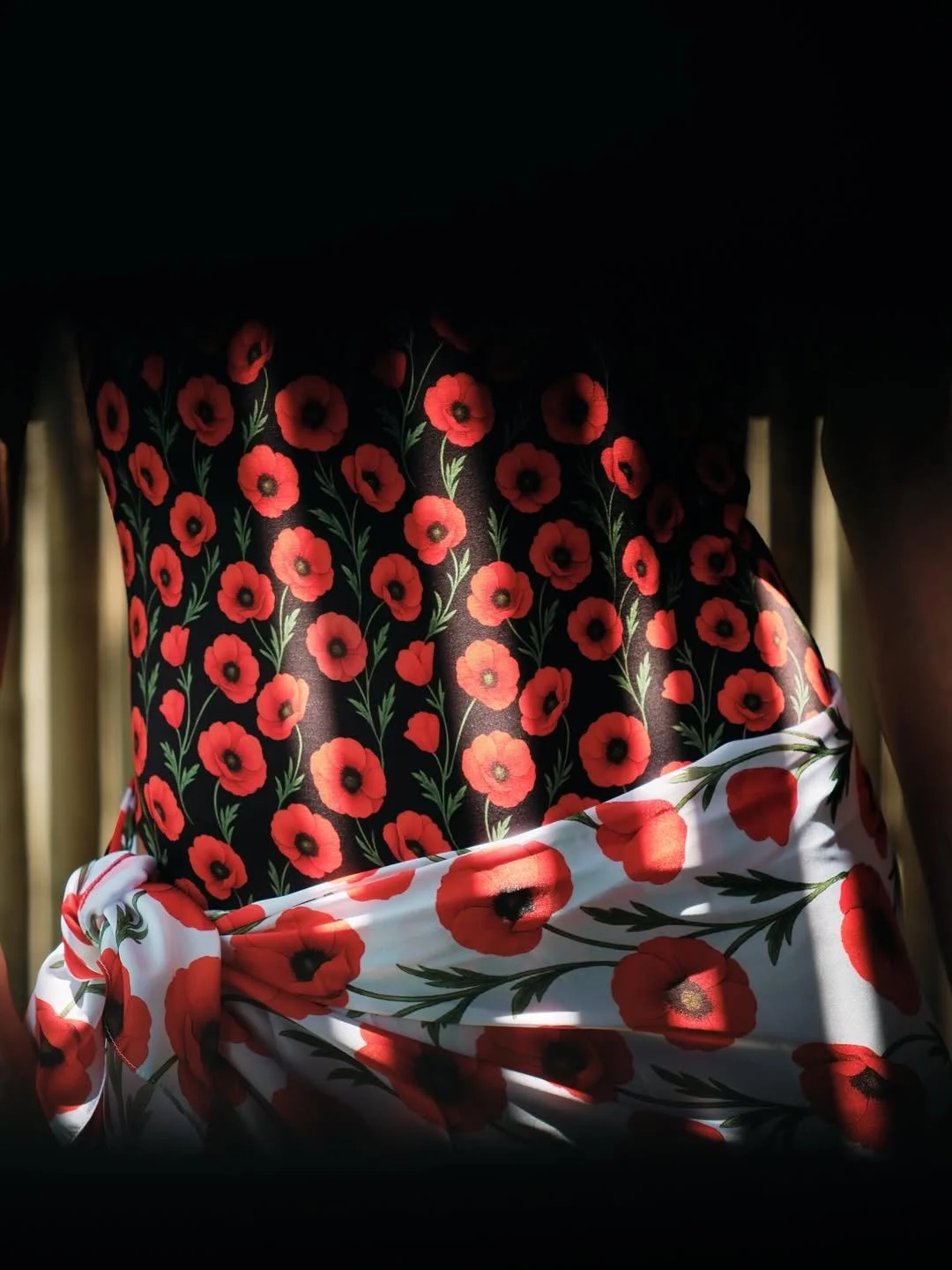
Images by Verde Limon
One of the brands that has brought this approach to international attention is Agua by Agua Bendita. The label works with women artisans who create intricate hand embroidery, integrating these techniques into contemporary collections that have reached global markets. Beyond the aesthetic result, the project demonstrates how fashion can function as a platform to preserve traditional knowledge while generating economic opportunities for local communities.
At the same time, other Colombian brands are exploring different paths within the same conversation. Some focus on the development of responsible materials, others on limited production runs or circular economy models.
Within this diverse ecosystem, swimwear continues to play a significant role in the Colombian fashion industry. The country has established itself over the years as a global reference in this category thanks to the quality of its textiles, technical expertise in pattern making, and strong local manufacturing capabilities. Even in this highly competitive sector, discussions around sustainability are gaining increasing momentum.
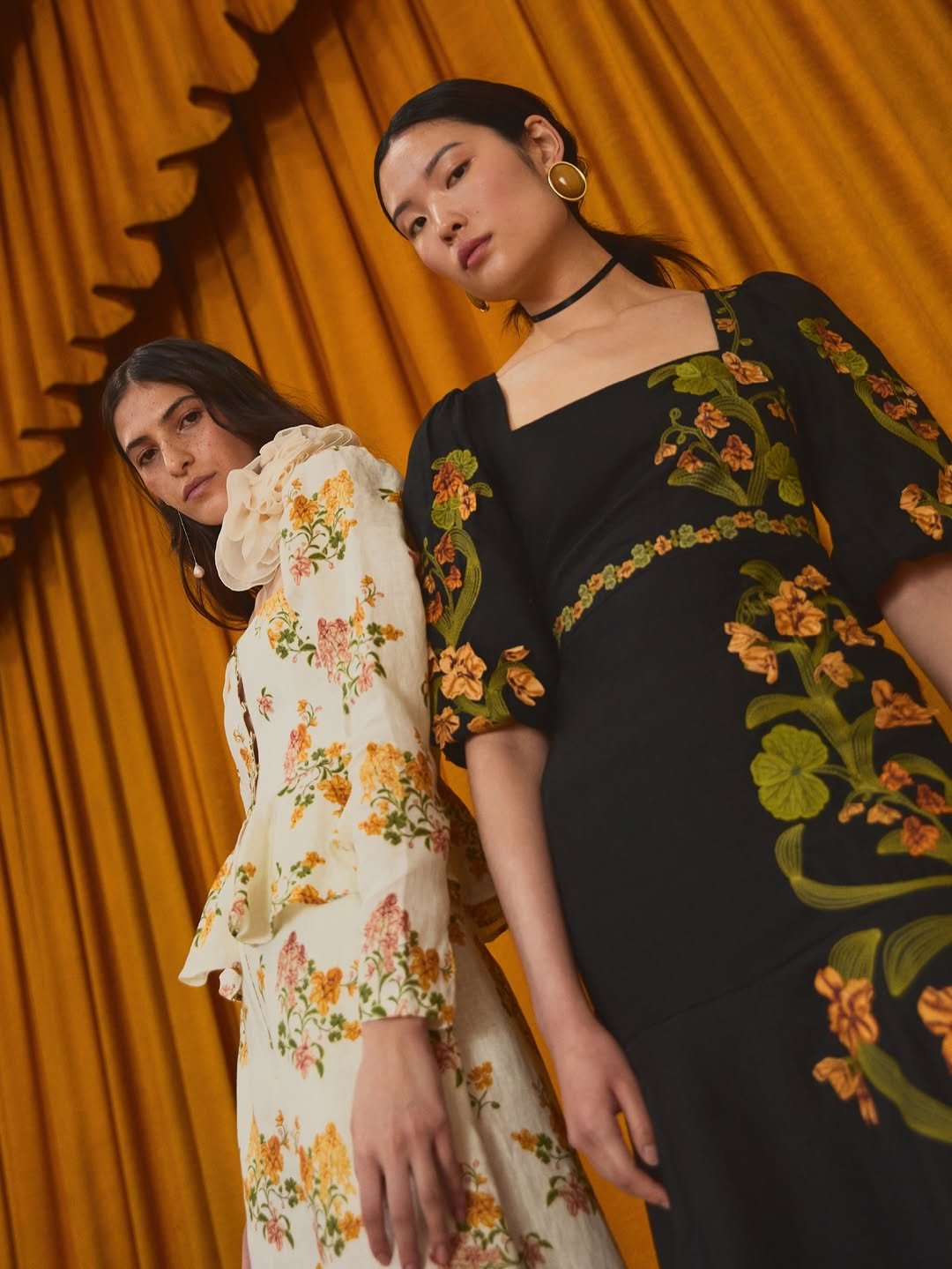
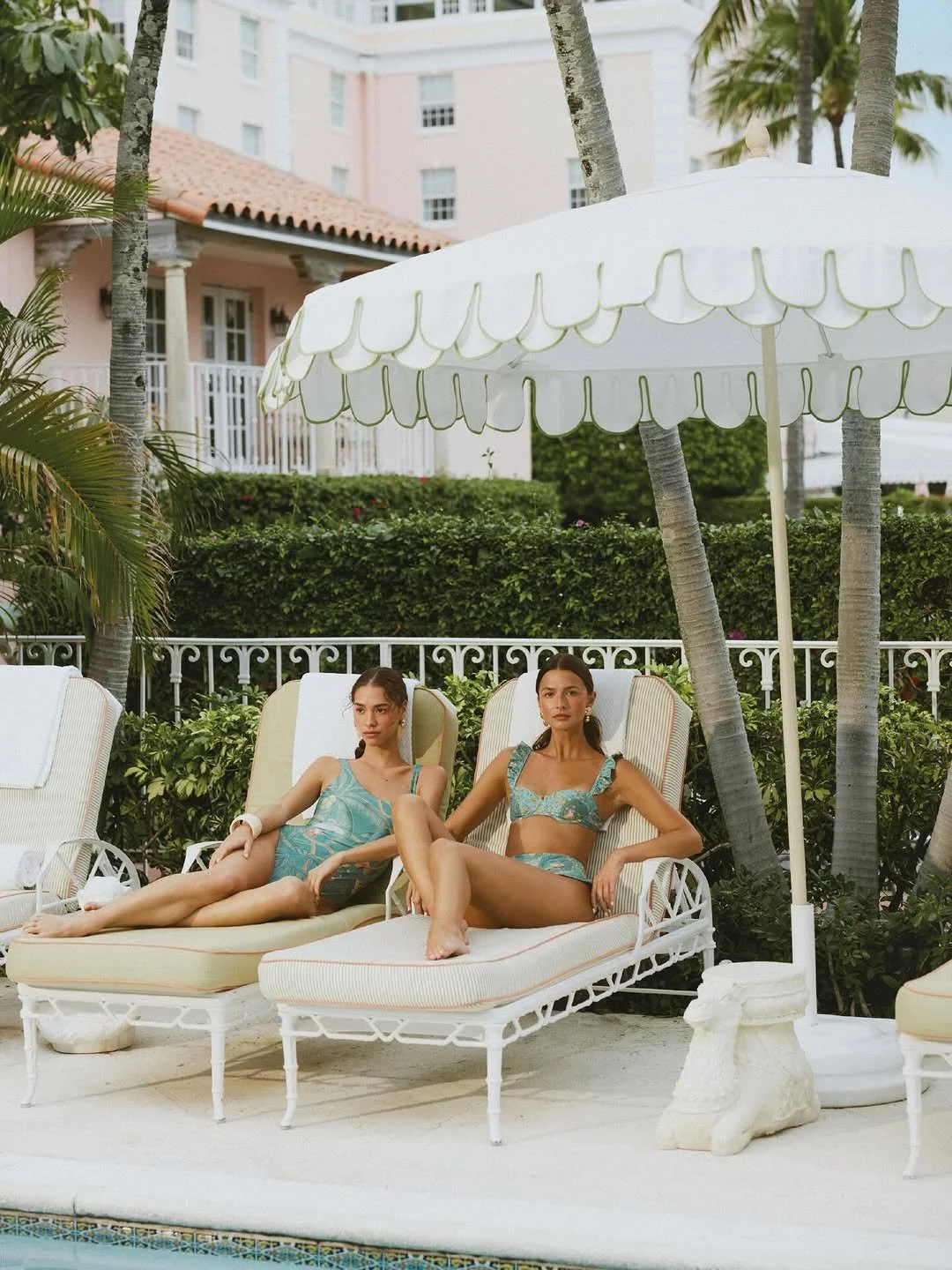


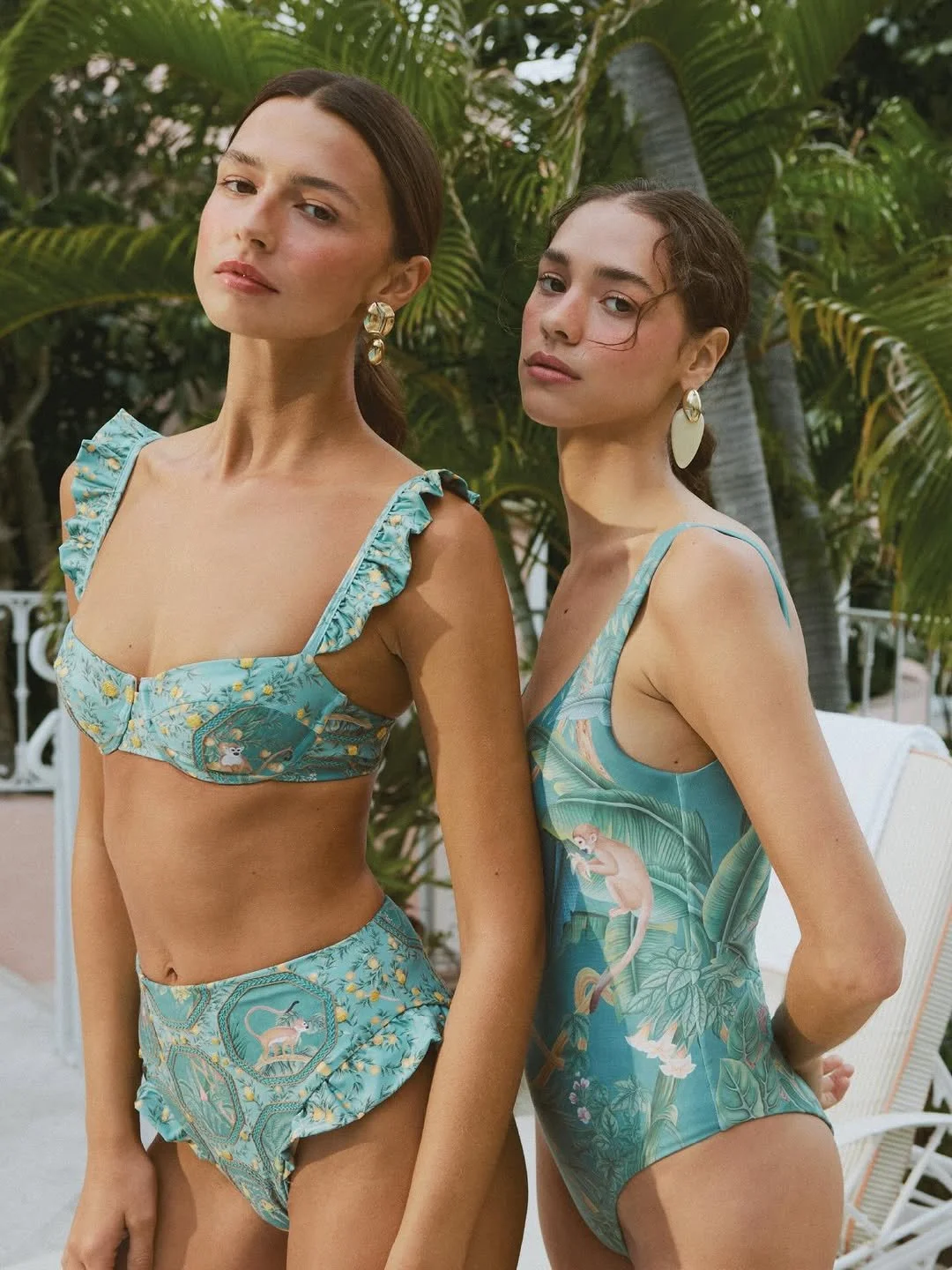
Images by Agua by Agua Bendita

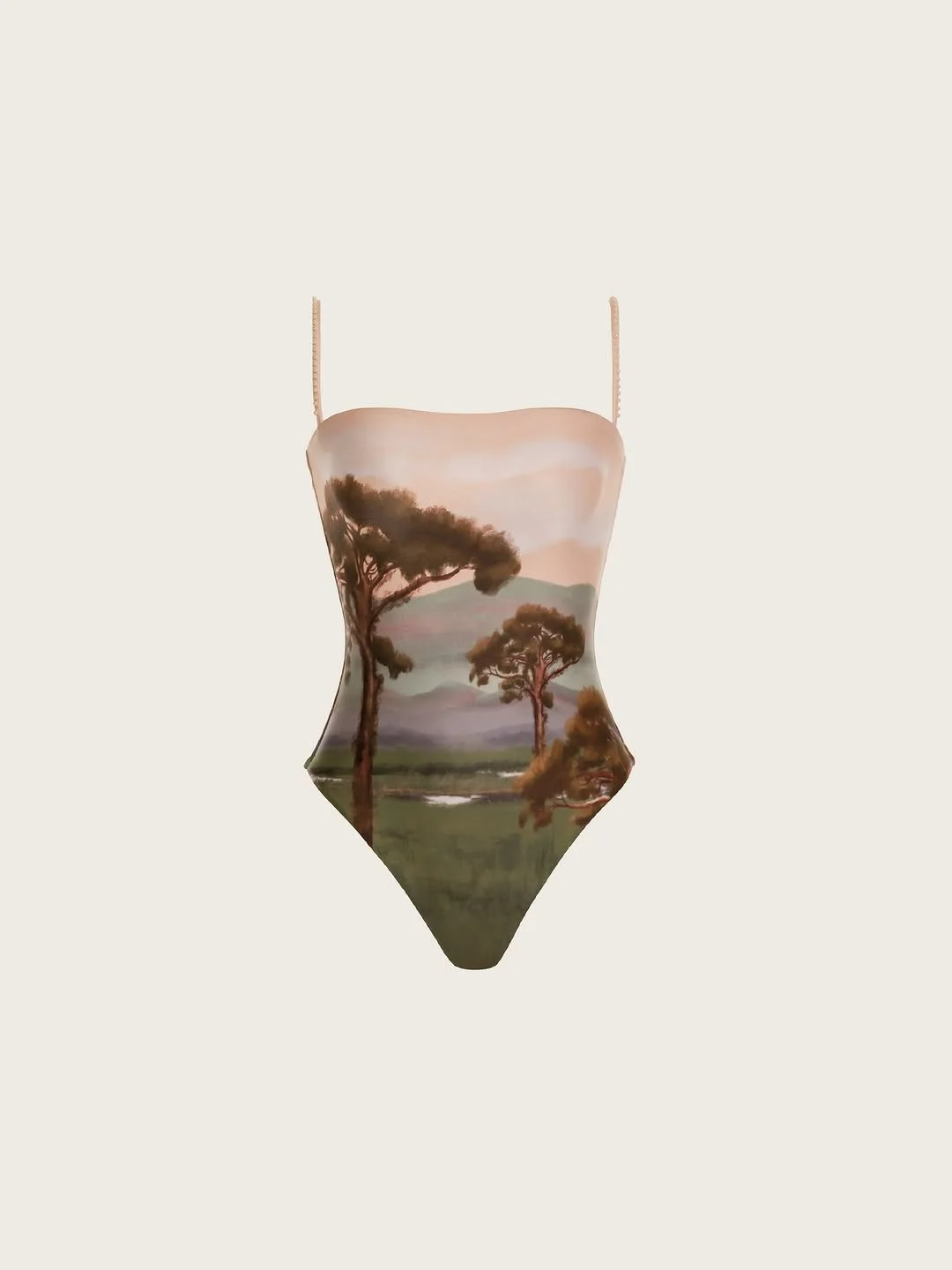
Images by Agua by Agua Bendita
Colombian swimwear brand Verde Limón shared an exclusive take with us, offering reflections on the present and future of responsible fashion within the swimwear industry. Their perspective provides a direct look at both the challenges and opportunities shaping the sector today.
According to the brand, the international recognition of Colombian swimwear is deeply connected to the strength of the country’s textile industry. The swimwear category in Colombia is enormous, and the country has positioned itself as one of the global references in swimwear. This is mainly due to the excellent quality, the fit of our pieces, and the fact that many brands work with materials produced in the country.
The ability to work with local suppliers has allowed many brands to maintain close control over their production processes. In the case of Verde Limón, this relationship with the production chain also includes a social dimension that forms a central part of the brand’s philosophy.
“In our specific case, from the beginning, we have worked with women who are heads of household. For us, it is very important to focus part of our process on this community, supporting them and creating job opportunities that contribute to their well-being and that of their families.”
This type of initiative reflects one of the most important dimensions of sustainability in Latin America. In many cases, fashion becomes a point of connection between local talent, technical knowledge, and economic opportunity.
“In this way, we are able to combine local talent, the Colombian textile tradition, and a contemporary design approach, always maintaining the quality and innovation that characterise our industry.”
However, moving toward more responsible production models is not without its difficulties. One of the most common challenges for sustainable brands is the cost associated with responsible materials and smaller-scale production processes.
“One of the biggest challenges has been pricing. For us, it is essential to work with sustainable materials, mainly fabrics made from recycled plastic, and to produce in non-massive workshops to guarantee the quality of each garment.
These decisions require a different cost structure compared to mass production, something that inevitably affects the final retail price.
All of this implies higher production costs, which means our prices cannot always be accessible to everyone. However, prioritising quality, durability, and environmental responsibility is the right way to build a brand in the long term.”
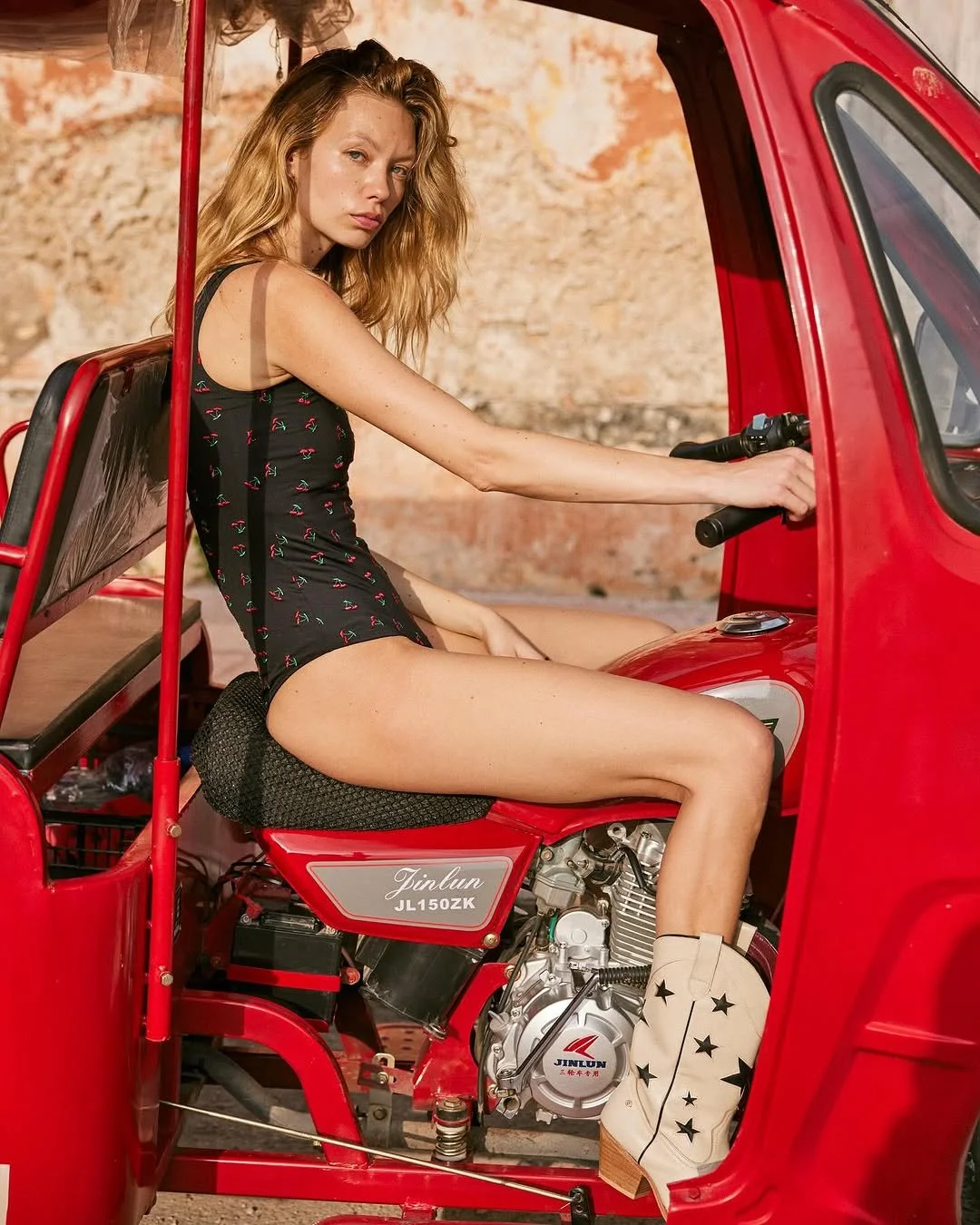
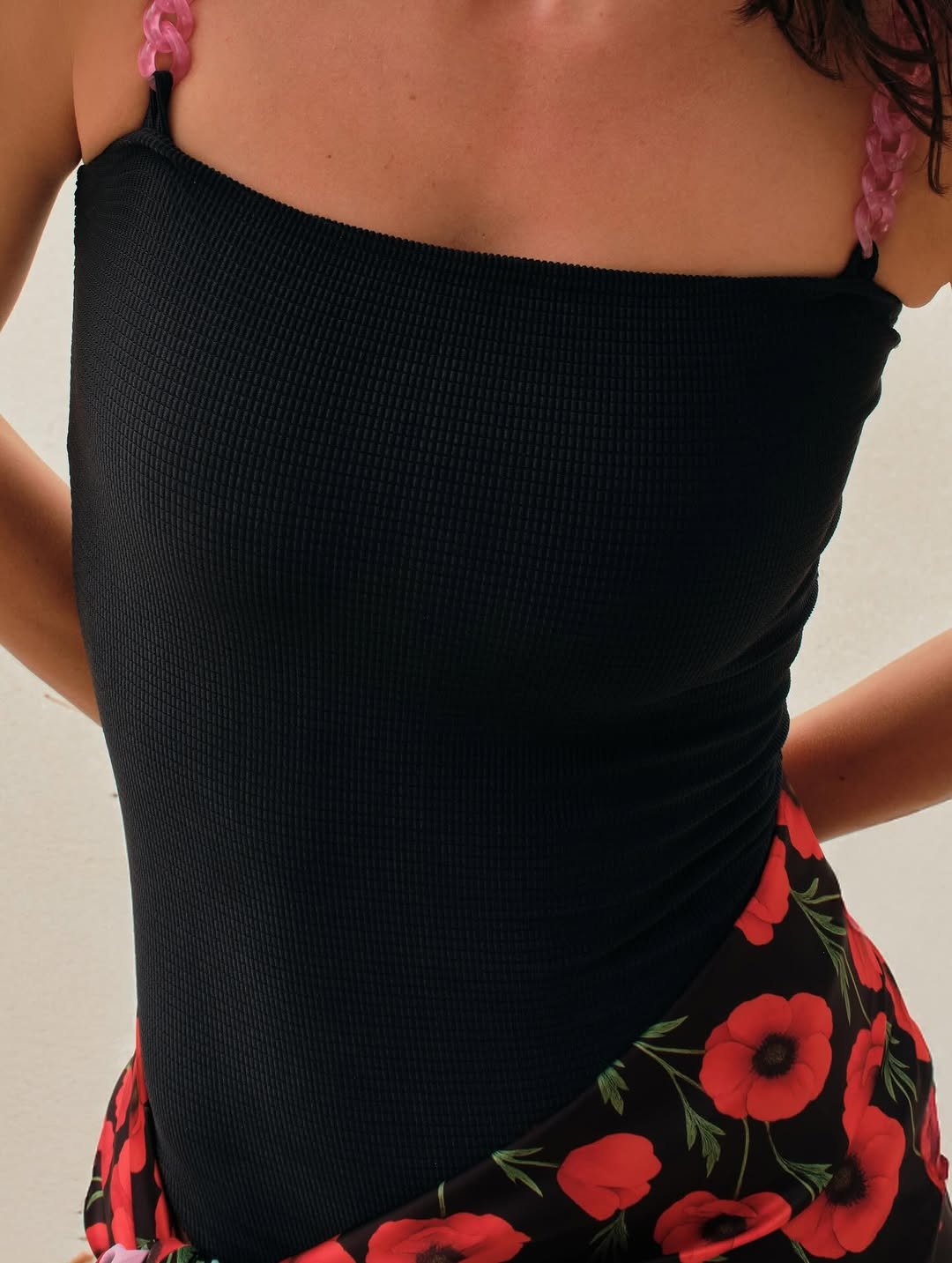


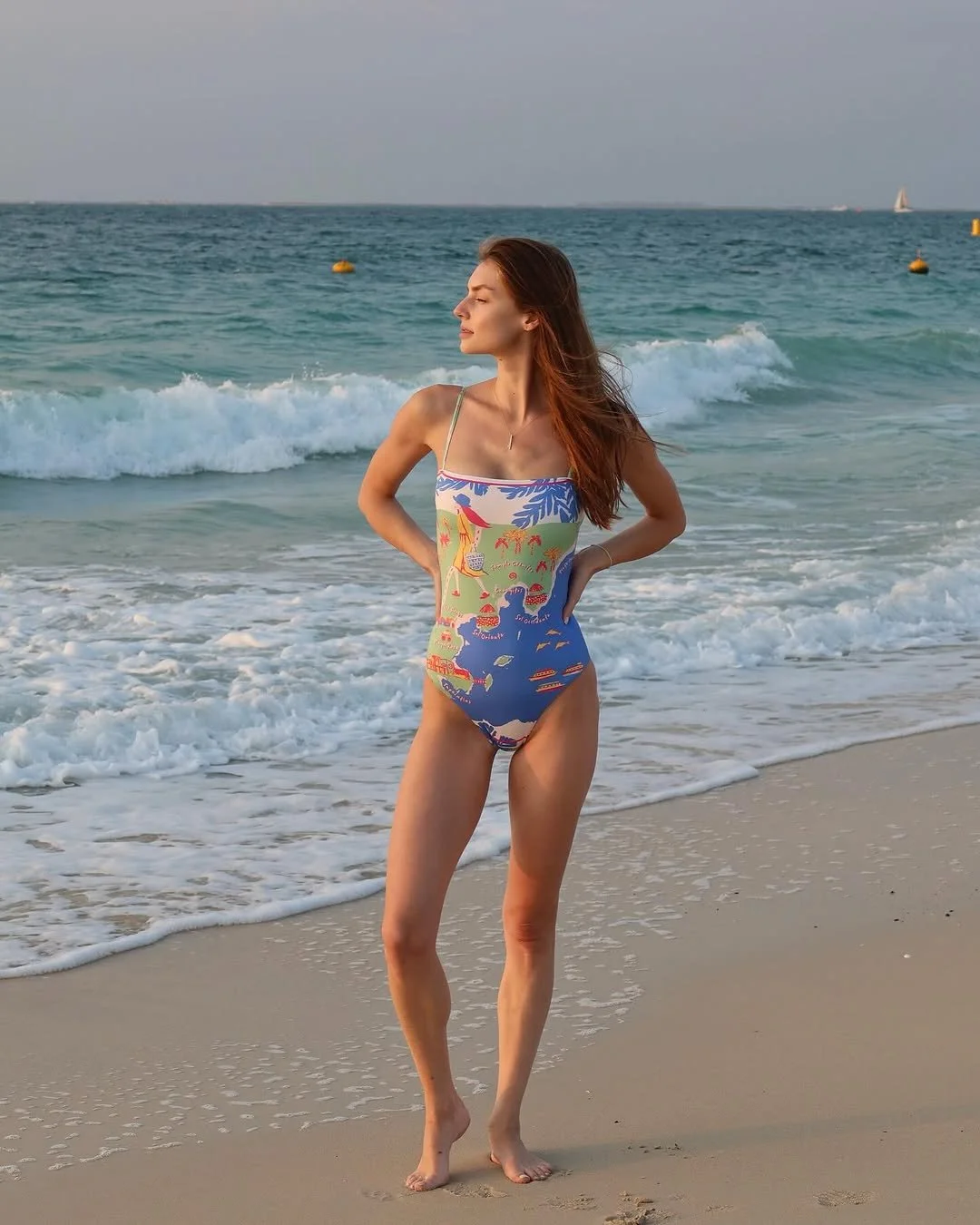
Images by Verde Limon

Images by Verde Limon
Another important challenge within the Colombian context is the availability of truly sustainable raw materials. Despite the strength of the country’s textile industry, not all available materials currently meet the environmental standards that many brands aim to implement. The most critical part is finding the raw material. Although Colombia has some of the best materials for swimwear, many of them are still not fully ecological.
For Verde Limón, this search becomes even more complex because of a strategic decision within its production model.
“For us it has been a challenge to find a wider variety of truly sustainable textiles, especially because we have decided not to import materials and to work mainly with what is produced in the country.
This approach reflects a commitment to supporting the local industry while also reducing the environmental impact associated with long supply chains.
This limits the options, but it also reflects our commitment to supporting the local industry and reducing the environmental impact associated with transportation and long supply chains.”
Looking ahead, many Colombian brands agree that textile innovation will be one of the key factors shaping the future of the industry.
“Looking to the future, we remain focused on finding more durable materials that also meet our environmental standards. We believe that innovation in textiles will be key to continuing to reduce the impact of our industry. Beyond materials, rethinking production calendars is also becoming part of this transition. We have also eliminated the traditional concept of seasons and produce on demand, which allows us to avoid overproduction and reduce waste.”
These types of strategies aim to address one of the most persistent issues within the fashion system, the excessive production of garments that often never reach the consumer.
“Our goal is to optimise every stage of the process, from materials to production, so that each collection becomes increasingly responsible.”
The conversation around sustainability within Colombian fashion continues to evolve. As more brands experiment with new materials, artisanal collaborations, and alternative production models, the country is gradually establishing itself as a relevant voice in the global debate about the future of the industry.
At a moment when consumers are seeking greater transparency about where their clothes come from, Colombia offers a particularly valuable combination: a strong textile heritage, contemporary creativity, and a growing awareness of fashion’s environmental and social impact.
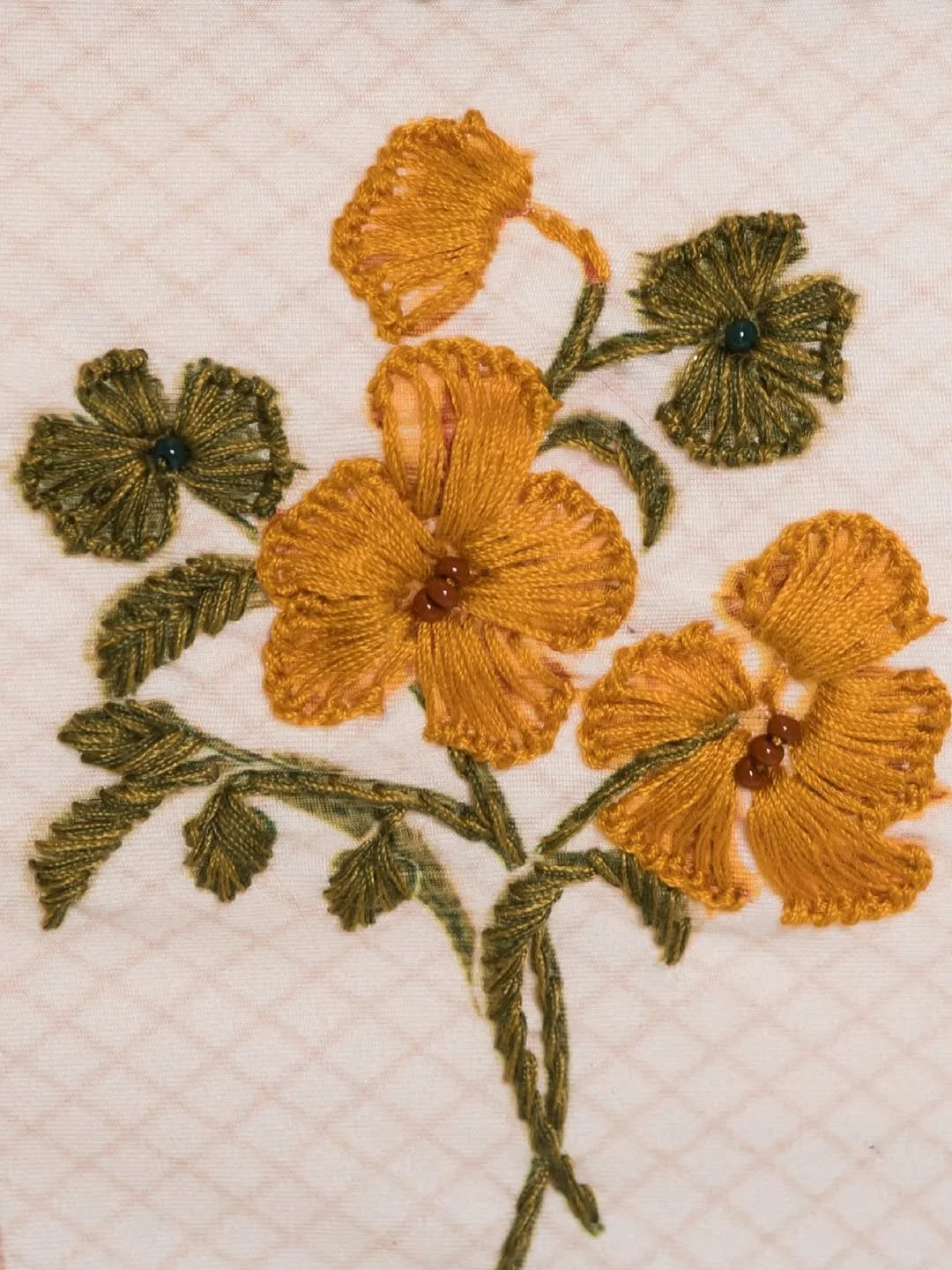
Image by Agua by Agua Bendita