
“African Fashion Will Compete Directly With European Fashion” — Skander Negasi on Fashion’s Next Growth Market
As Africa’s textile and apparel sector gains momentum within the global fashion economy, platforms that connect manufacturers, designers, and international buyers are becoming increasingly influential. Among them is ASFW, a sourcing and industry platform founded by Skander Negasi that has spent the past decade spotlighting African production capabilities and fostering new trade relationships.
Africa’s textile and leather industries are stepping into sharper global focus as the continent increasingly positions itself as a serious sourcing partner for the fashion and lifestyle sectors. With a population of more than 1.4 billion people, a young and expanding workforce, and abundant natural resources (including cotton, hides, and skins). Africa offers a compelling case for responsible investment, innovation, and localised production. Across countries such as Ethiopia, Kenya, Egypt, Senegal, and South Africa, textile, apparel, and leather value chains already support millions of livelihoods while playing a vital role in export economies.
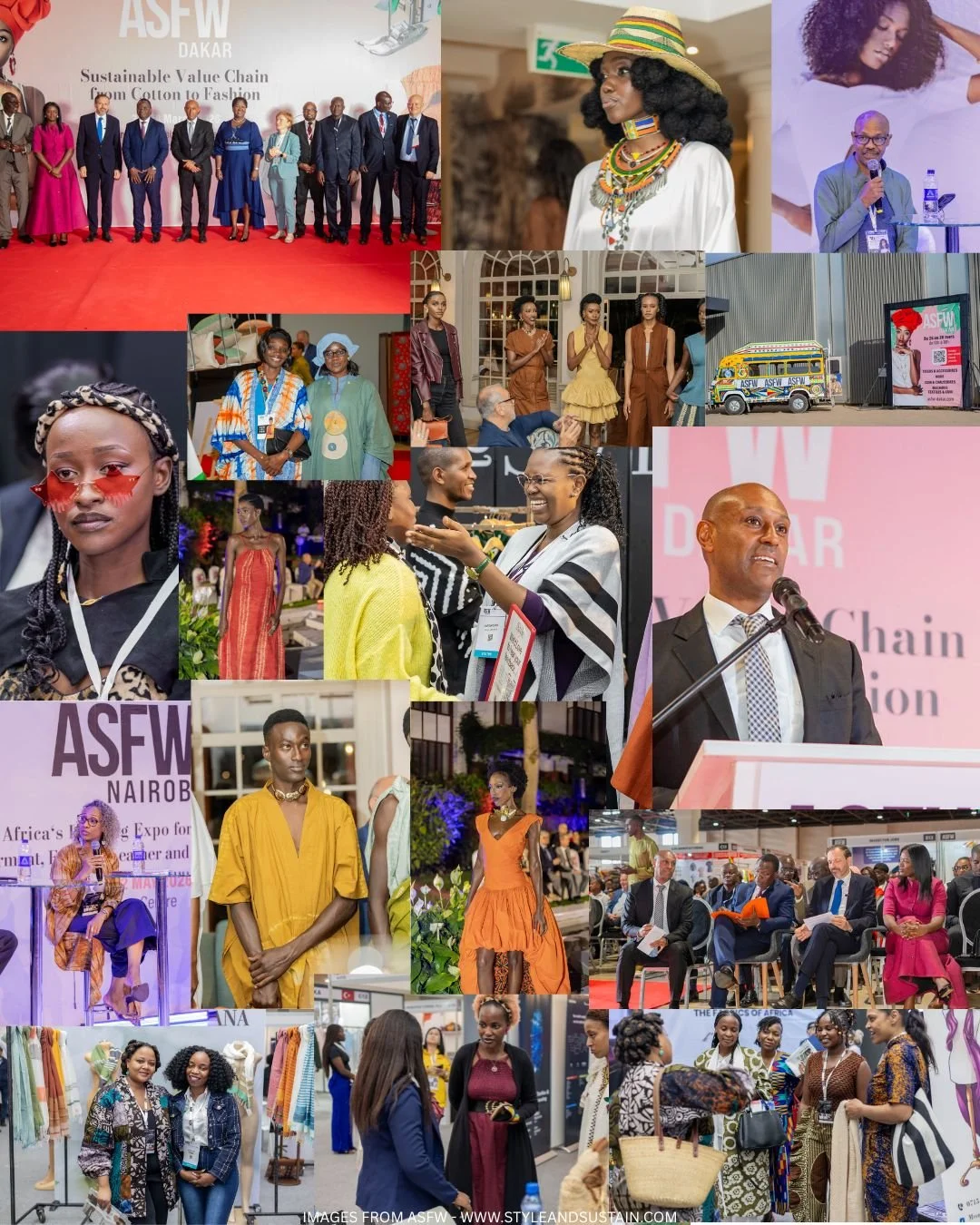
Against this backdrop, the fifth edition of ASFW Nairobi took place from 30 April to 2 May 2026, bringing together more than 200 exhibitors spanning textiles, apparel, leather, machinery, and manufacturing innovation. The event hosted participants from over 30 countries, including Bangladesh, China, Ethiopia, Germany, India, Italy, Japan, Kenya, Rwanda, South Sudan, Switzerland, Tanzania, Turkey, the UAE, Uganda, and the UK. For the past 10 years ASFW has nurtured East Africa as a go-to in the global textile and fashion ecosystem.
On the other hand, West Africa’s textile sector is a significant yet often under-recognised force within the global supply landscape. According to the International Trade Centre (ITC), the region produces an estimated 100 million metres of fabric each year, with Nigeria, Ghana, and Senegal among its leading manufacturing centres.
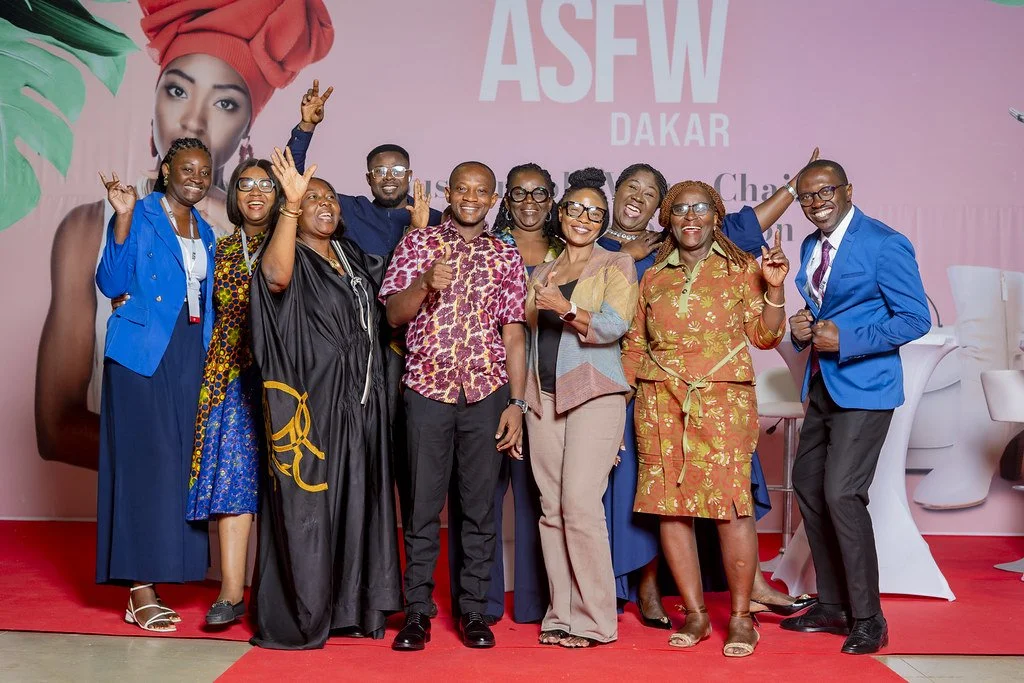
This momentum makes Senegal a natural host for the first major West and North Africa–focused sourcing exhibition dedicated to cotton, textiles, apparel, leather, and the wider fashion industry. ASFW Dakar pitched its tent for the first time in West Africa from 28–29 March 2026, welcoming exhibitors and positioning the city as a growing nexus for regional and international trade.
We spoke with Skander Negasi to learn more about this growing sector in Africa and how ASFW is helping shape it on the global stage.

How would you characterise the African textile and apparel sector before ASFW launched in 2016, and how has the platform shaped it since then?
Skander Negasi: The sector began gaining momentum around 2016, as sourcing companies started diversifying beyond Asia and looking toward Europe and Africa. ASFW has helped create a strong concentration of African manufacturers in one place. By organising factory tours alongside the exhibition, buyers have been able to visit state-of-the-art African factories. This has convinced many international buyers to start working with African manufacturers.
ASFW is now expanding into Dakar. Why was Senegal the right next step?
Skander Negasi: Dakar is a key hub connecting West and North Africa and an ideal meeting point for European and US buyers. The city’s accessibility also plays an important role — it is only around seven hours from the US West Coast and six hours from Europe.
Africa has long been a source of inspiration and materials for global fashion, yet it rarely receives recognition. How does ASFW help change that?
Skander Negasi: Through our ongoing promotion of ASFW shows in Dakar, Nairobi, and Addis Ababa, we are constantly sharing stories about African fashion. This has generated strong global interest in African designers. We also organise the ELEGANCE fashion show, which is dedicated exclusively to buyers and investors.
What are the key challenges ASFW is helping to address within the industry?
Skander Negasi: Funding is a major challenge for many African designers who want to exhibit locally or internationally. We try to partner with organisations that can support them financially. Another issue is pricing — African fashion products can sometimes be more expensive than European ones, so our conferences and workshops help designers better understand this market dynamic. Access to fabrics is also difficult, as suppliers often require large minimum orders. We encourage designers to purchase collectively in order to reduce costs.
How does ASFW approach sustainability?
Skander Negasi: We regularly highlight sustainable African design and manufacturing through special show areas, fashion shows for African designers, and dedicated conference sessions.
Do you see Africa developing its own certification standards in the future?
Skander Negasi: This will happen when trade within Africa grows and the continent becomes less dependent on other markets. Africa needs to establish its own narrative, its own certifications, and reduce corruption. When African markets become stronger and more profitable internally, global recognition will follow.
Is a circular supply chain achievable in Africa?
Skander Negasi: Yes. Governments are already working toward keeping supply chains within the continent. Continued policy support will be essential to strengthen regional production and trade. Countries like Ghana, Kenya, and Rwanda are already moving in this direction.
Looking ahead to 2036, what does success look like for African fashion?
Skander Negasi: African fashion will compete directly with European fashion, and African manufacturers may overtake Asian manufacturers. European fashion houses will exhibit in Africa, while African designers will do business globally. We may also see Asian manufacturers relocating factories to Africa as costs rise in Asia. ASFW will continue to drive this transformation and expand into new regions.