
AFWL 2026: A Look At What's To Come On the African Fashion Scene
African culture, through fashion and music, has been taking the global stage in the last decade like never before, and platforms like Africa Fashion Week London have been one of the catalysts for this on the British fashion scene. Introduced 16 years ago with the mission to raise awareness and visibility of African and Black fashion brands through panel talks, runways, and exhibitions, we’ve seen the event shape-shift and elevate in order to create a space for expression and recognition for African brands and fashion stakeholders.
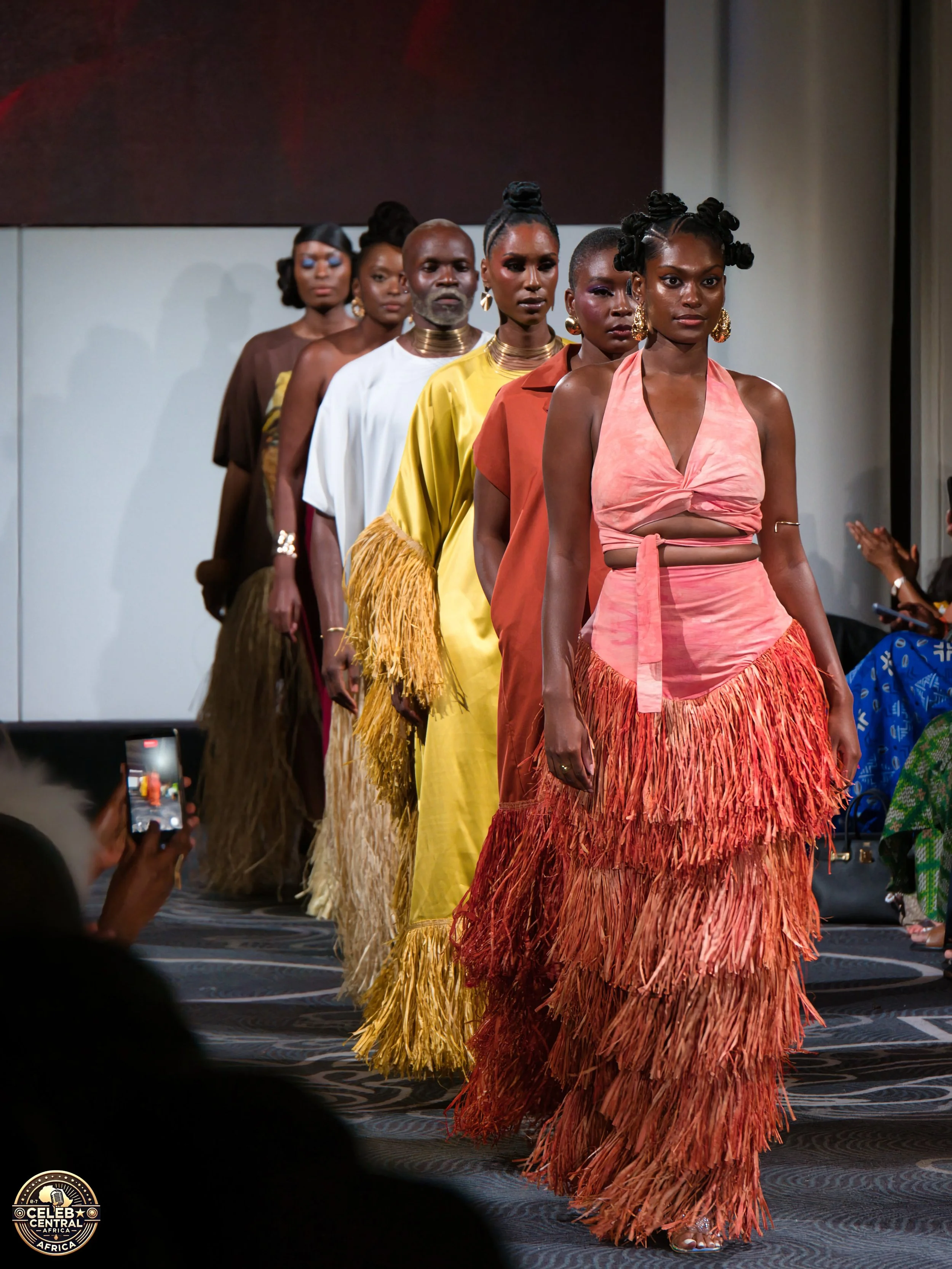
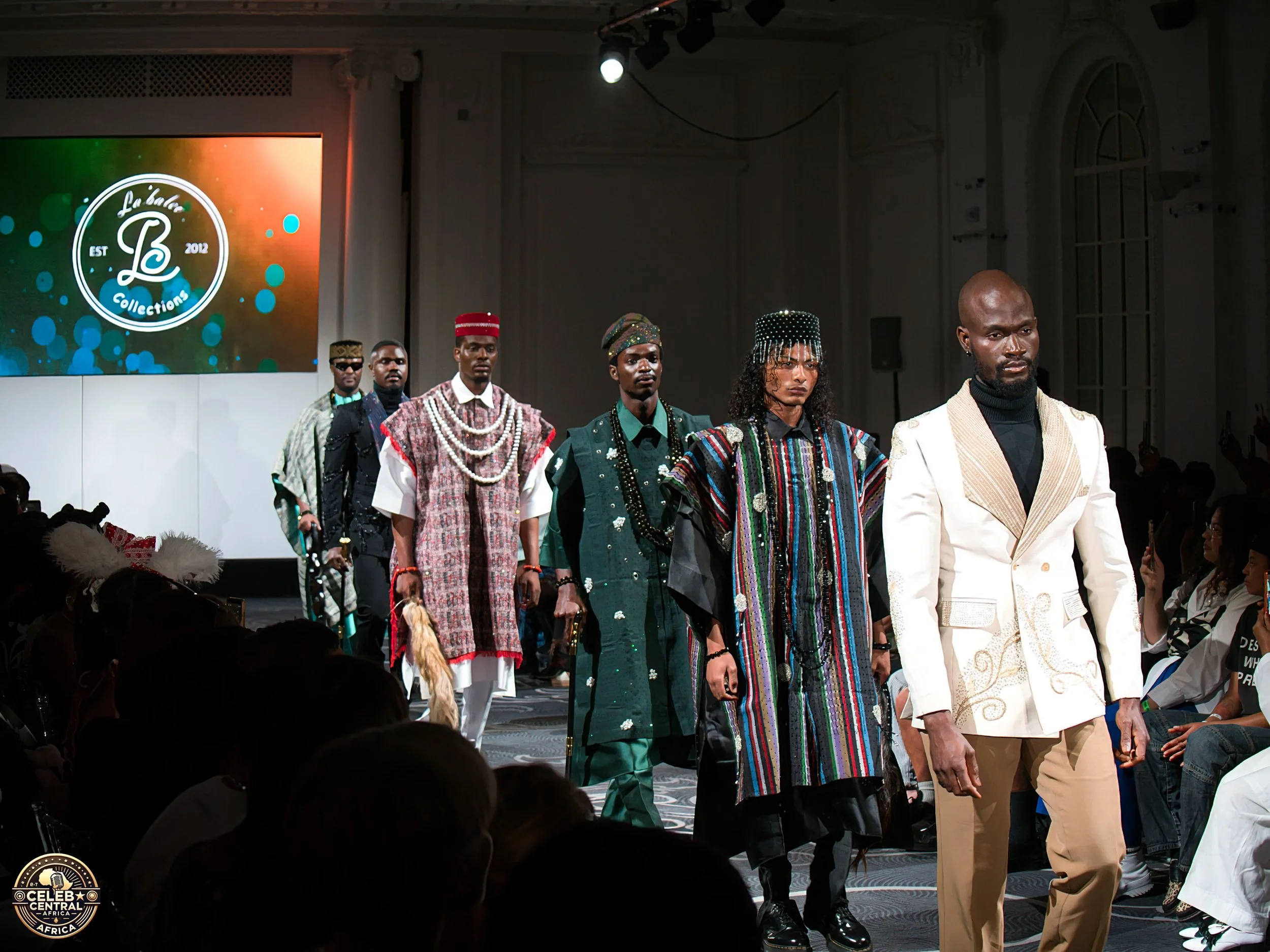
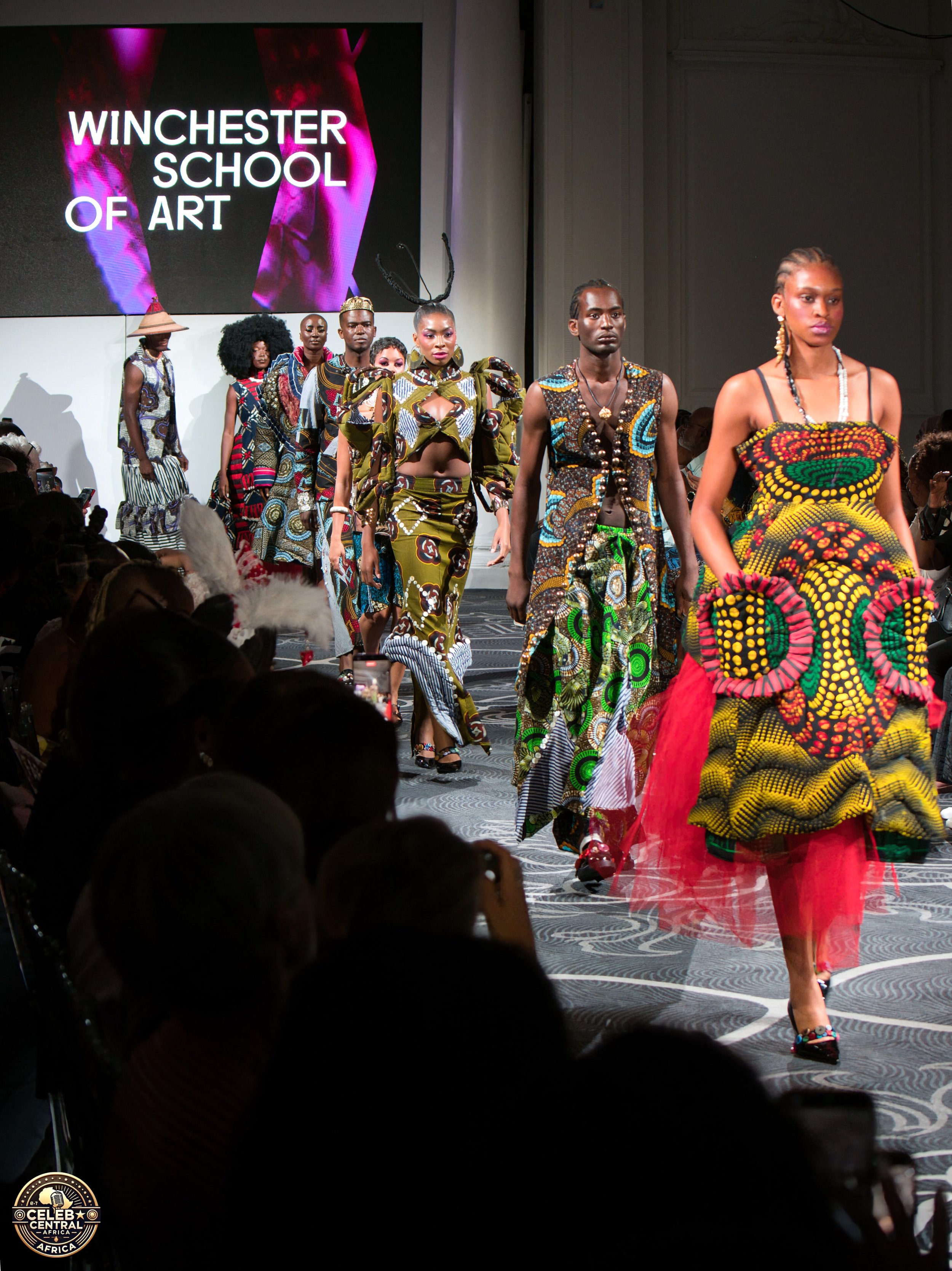
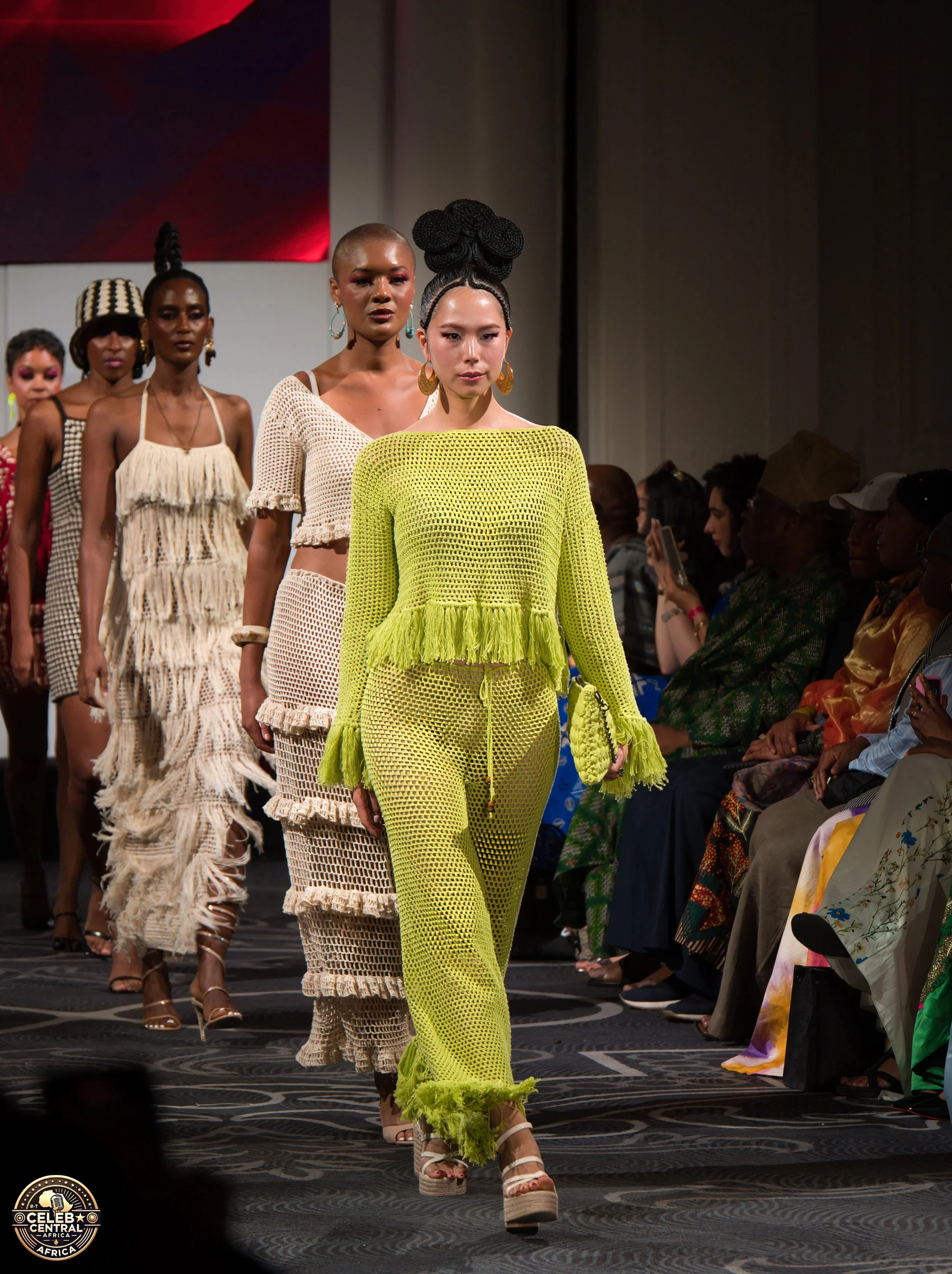
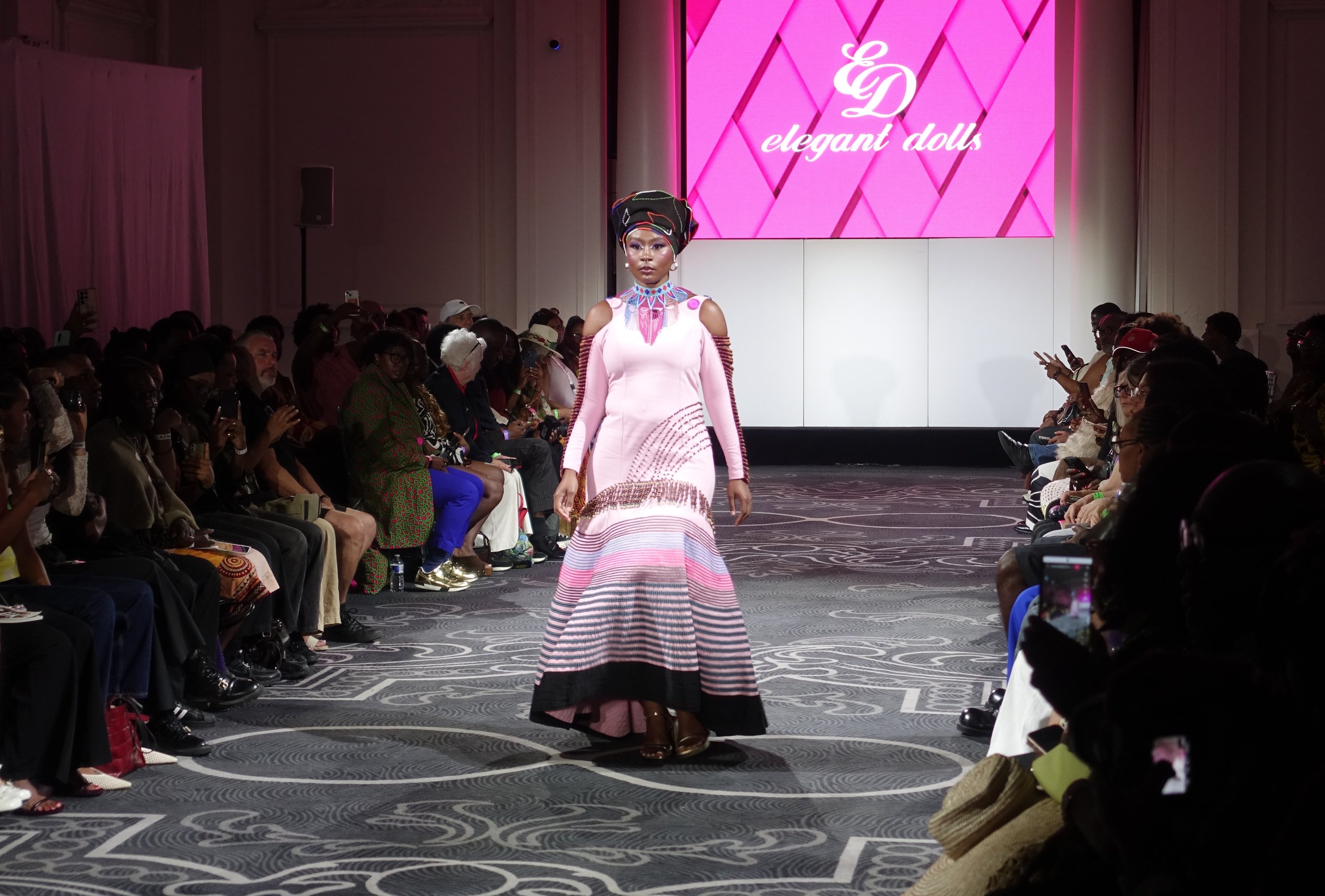
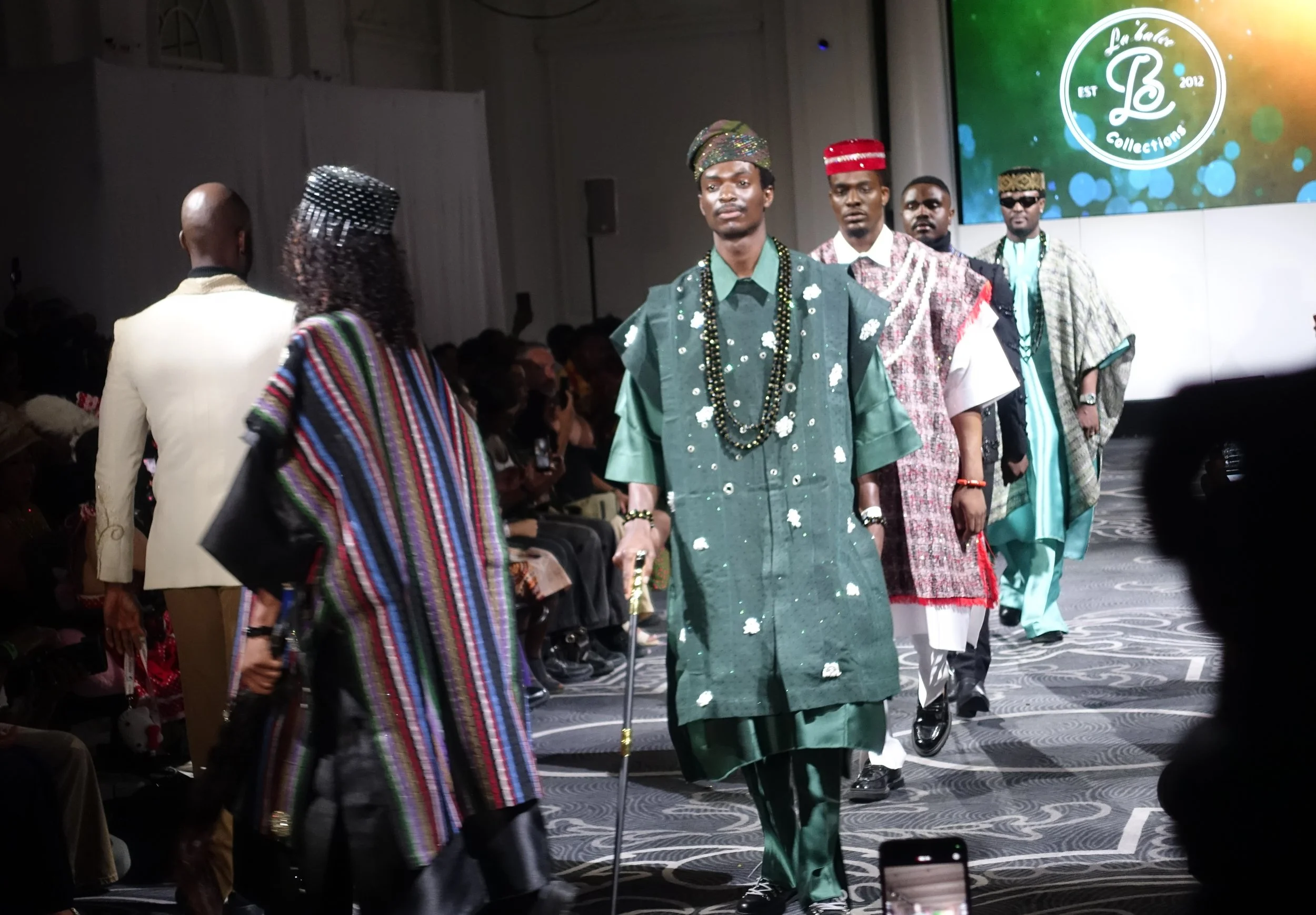
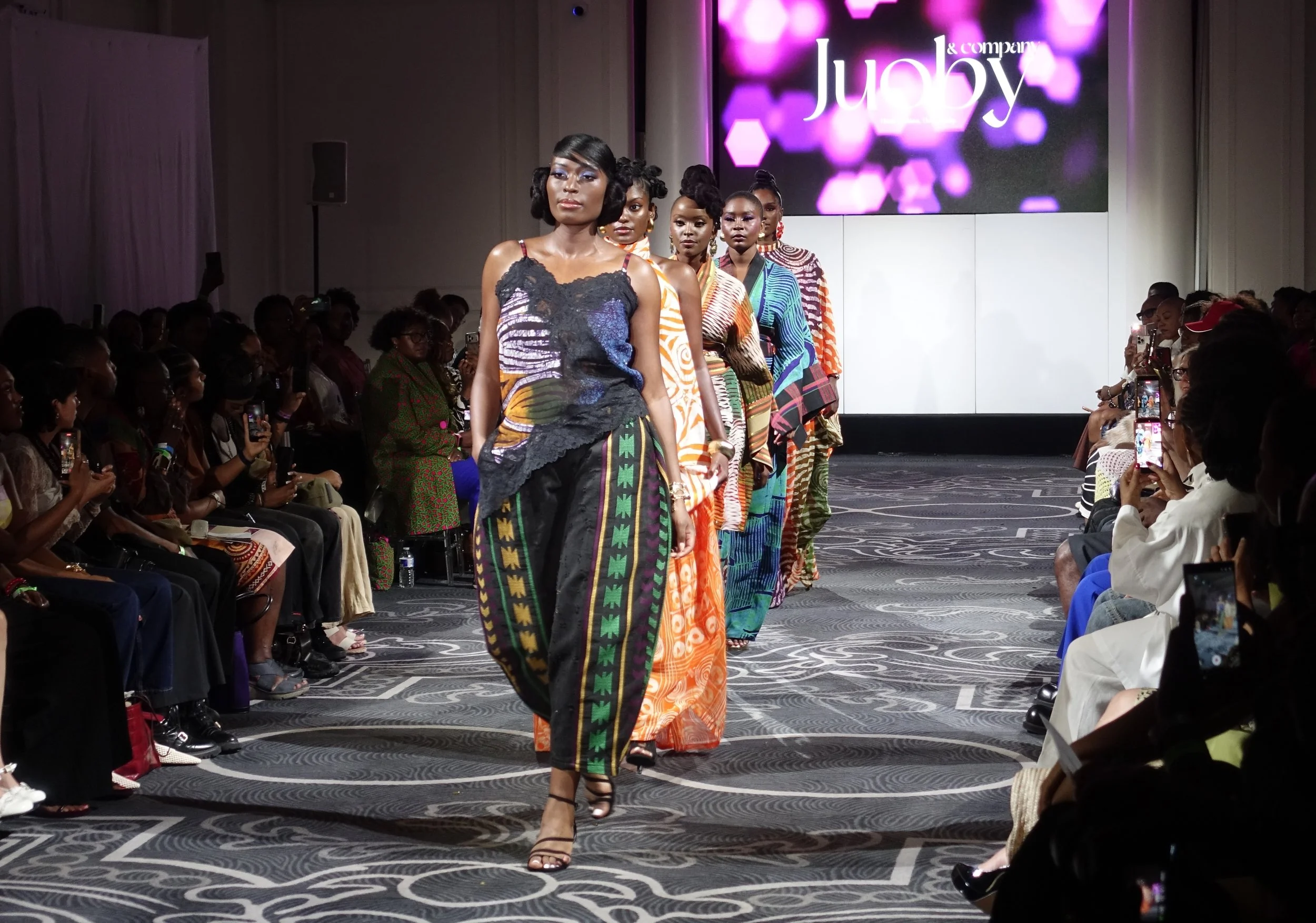
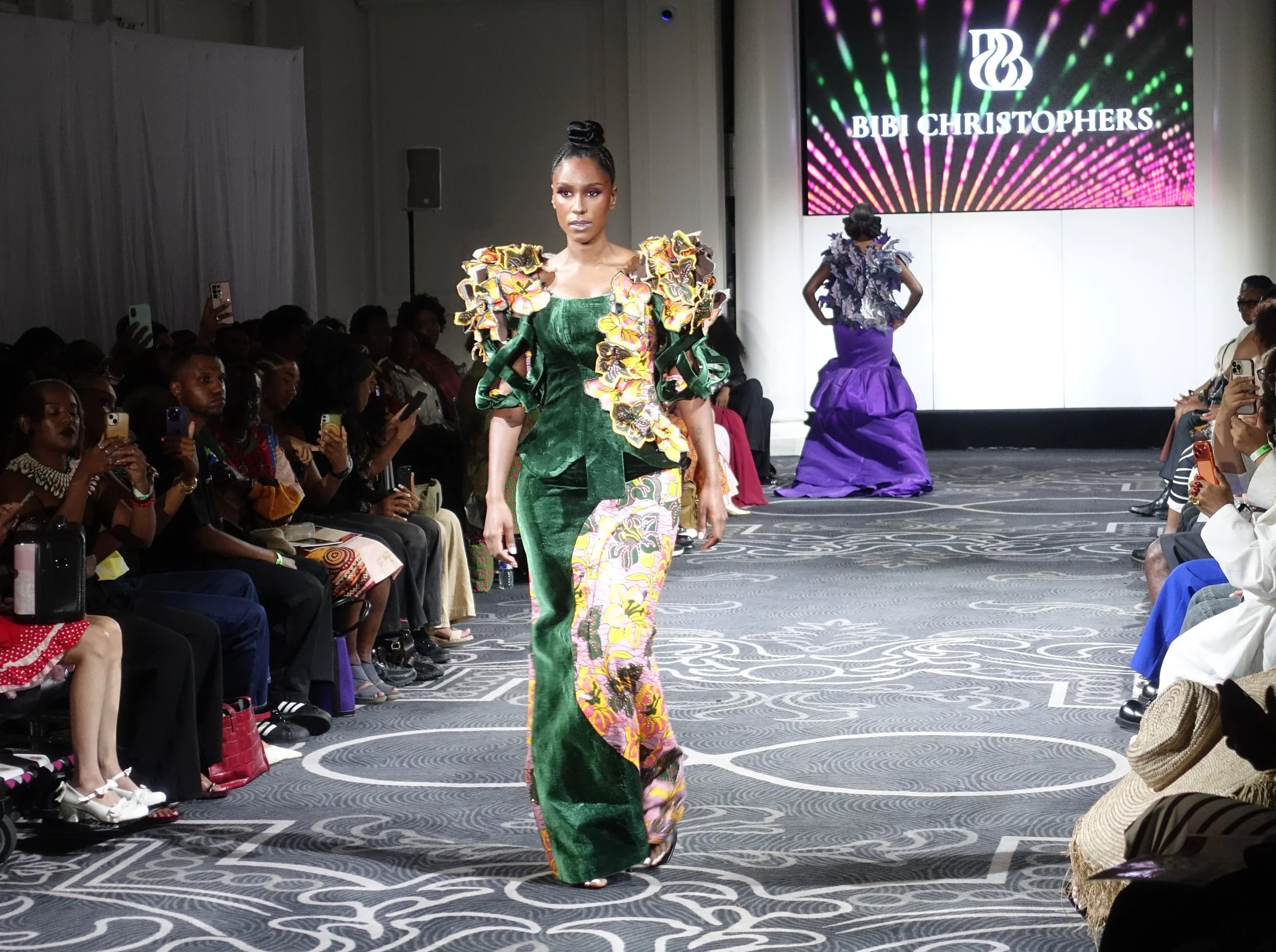
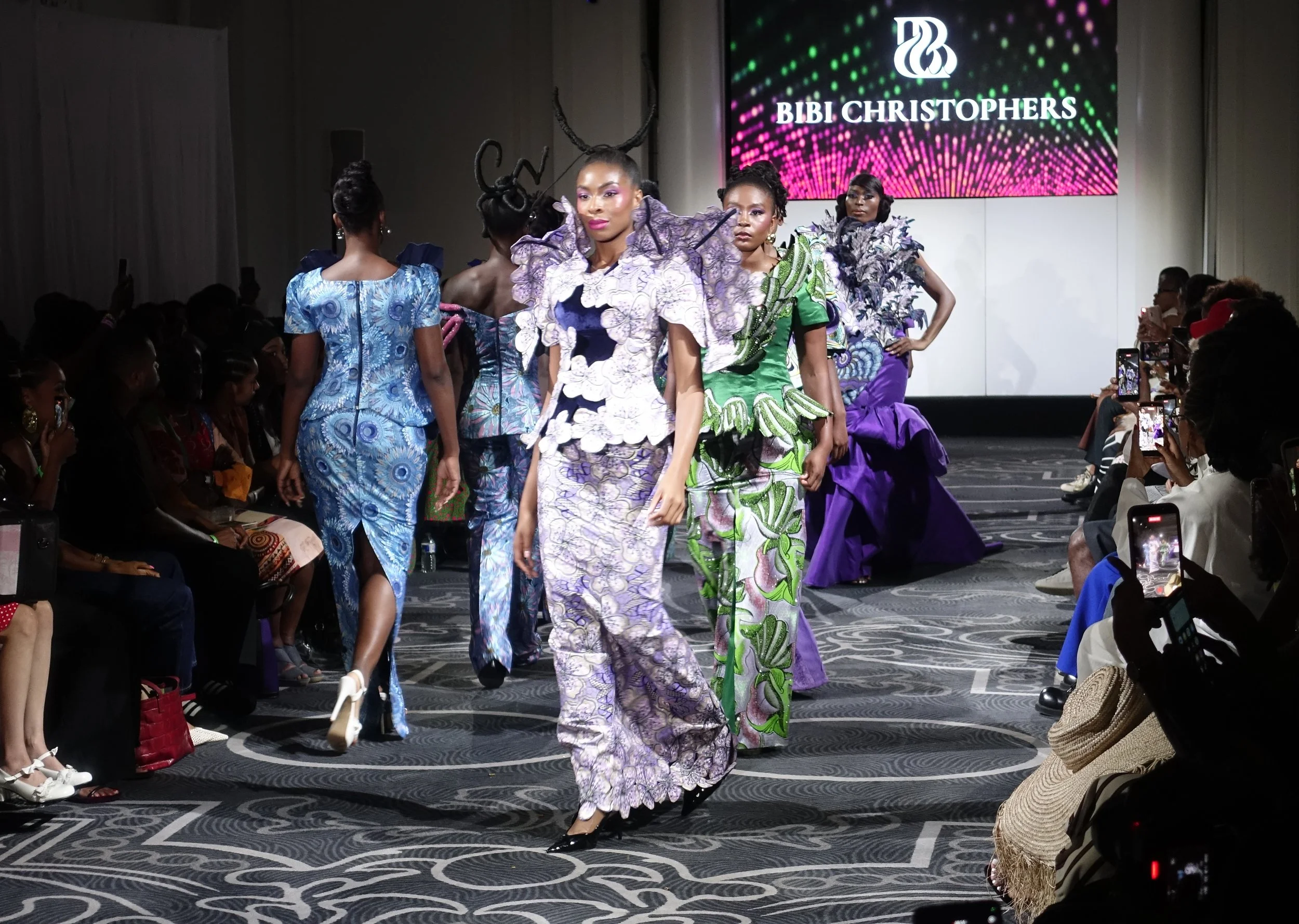
Photos by Celeb Central and Style & Sustain
As a designer on the continent, how tangible is this increasing global attention towards African fashion and brands like yours?
This was a key question asked by Bisi Akins, founder of All Things Africa, during one of this year's African Fashion Week London panels titled "The Future of African Fashion." To this, Ugandan designer Joan Nantege, founder of the label Joan Jade replied: "I feel like this has slowly turned into opportunities that have increased orders and sales for my brand. Every time I export my designs, I feel like I'm putting Uganda on the global stage."
African culture, through fashion and music, has been taking the global stage in the last decade like never before, and platforms like Africa Fashion Week London have been one of the catalysts for this on the British fashion scene. Introduced 16 years ago with the mission to raise awareness and visibility of African and Black fashion brands through panel talks, runways, and exhibitions, we've seen the event shape shift and elevate in order to create a space for expression and recognition for African brands and fashion stakeholders. All while bridging the gap between the continent and the diaspora for the fashion industry.
Over 3,000 designers and exhibitors from more than 26 African countries have participated since it began in 2011. 2026 followed this tradition but with a twist: a new retail concept called "Shop the Runway," where visitors, buyers, and media had the opportunity to experience catwalk collections up close and purchase directly from participating designers. Under the theme "Design Beyond Borders," they also introduced new elements like DJ workshops, creative collaboration, and educational spotlights. The week was filled with panel talks, covering topics from the future of African fashion to sustainability, AI and design innovation, international collaboration and creative entrepreneurship.
The runway was held on Saturday 22nd August, featuring three different catwalk shows with multiple brands showcasing in each one. From established names to fresh labels making their runway debut, here are five brands that stood out and brought a breath of fresh air at AFWL2026.
Atieno Studio - Kenya
Atieno Studiois a Kenyan fashion house founded by Bettydora Atieno Odhiambo, who learned crocheting from her mother at the age of 10. The brand is built on crochet as both a craft and a way of telling stories. Atieno was commercialised in 2023, working closely with women artisans and natural East African fibres, turning slow, hands-on techniques into bold, feminine, modern pieces, each made in small batches to keep it unique.
The label's collections are colourful, vibrant, and playful, specialising in resort and summer wear, with a clear goal:
"We want to make women feel confident and sexy when they wear our pieces," says Odhiambo.
Atieno blends culture with a modern eye, turning familiar shapes into elevated designs. The result is a collection that stays true to its roots while still looking forward.
DIMEJI ILORI - Nigeria
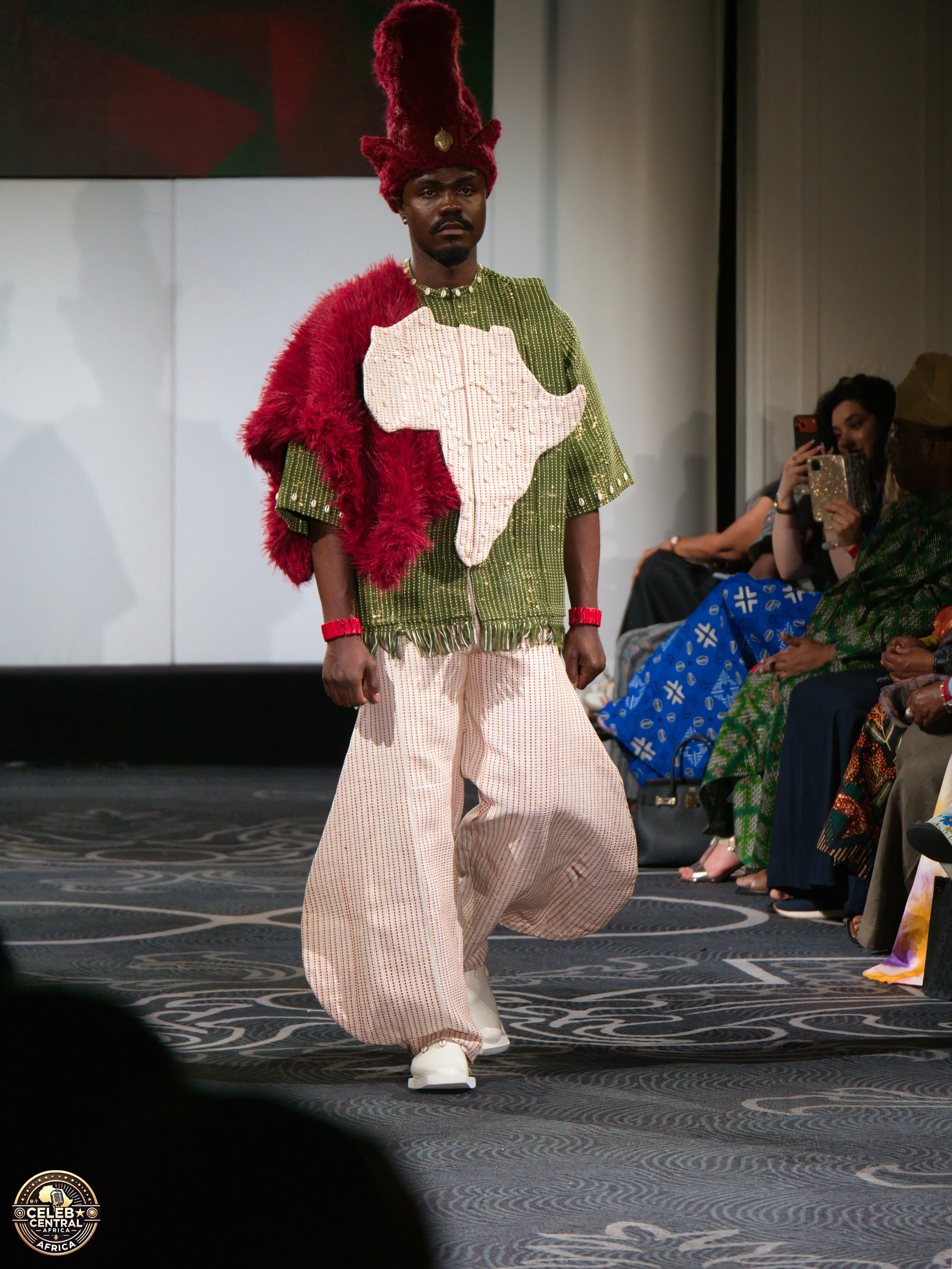
DIMEJI ILORI is a sustainable fashion brand based in Lagos, blending Afrocentric heritage with modern elegance. Inspired by pre-colonial African history, culture, and spirituality, the label creates wearable art that carries cultural storytelling, each piece designed to help people wear their heritage with confidence and sophistication.
"Our mission is to make cultural appreciation fashionable, so we don't want people to look down on our craftsmanship as being local, or something you wear when you have a wedding or ceremony; we are trying to redefine it and make wearable pieces that the modern girl, the modern guy can put on in any city, globally, and fit in" says Dimeji, founder.
The brand works with handwoven, ethically sourced materials and skilled artisans to produce limited, high-quality pieces that blend indigenous craftsmanship with contemporary design. Its work has earned recognition on the Lagos Fashion Week runway and across multiple creative platforms, praised for turning discarded and deadstock materials into unique luxury pieces. At its core, DIMEJI ILORI is about cultural pride, creating pieces that spark conversation and celebrate African identity.
Photos by Celeb Central
Mastewal Alemu - Ethiopia
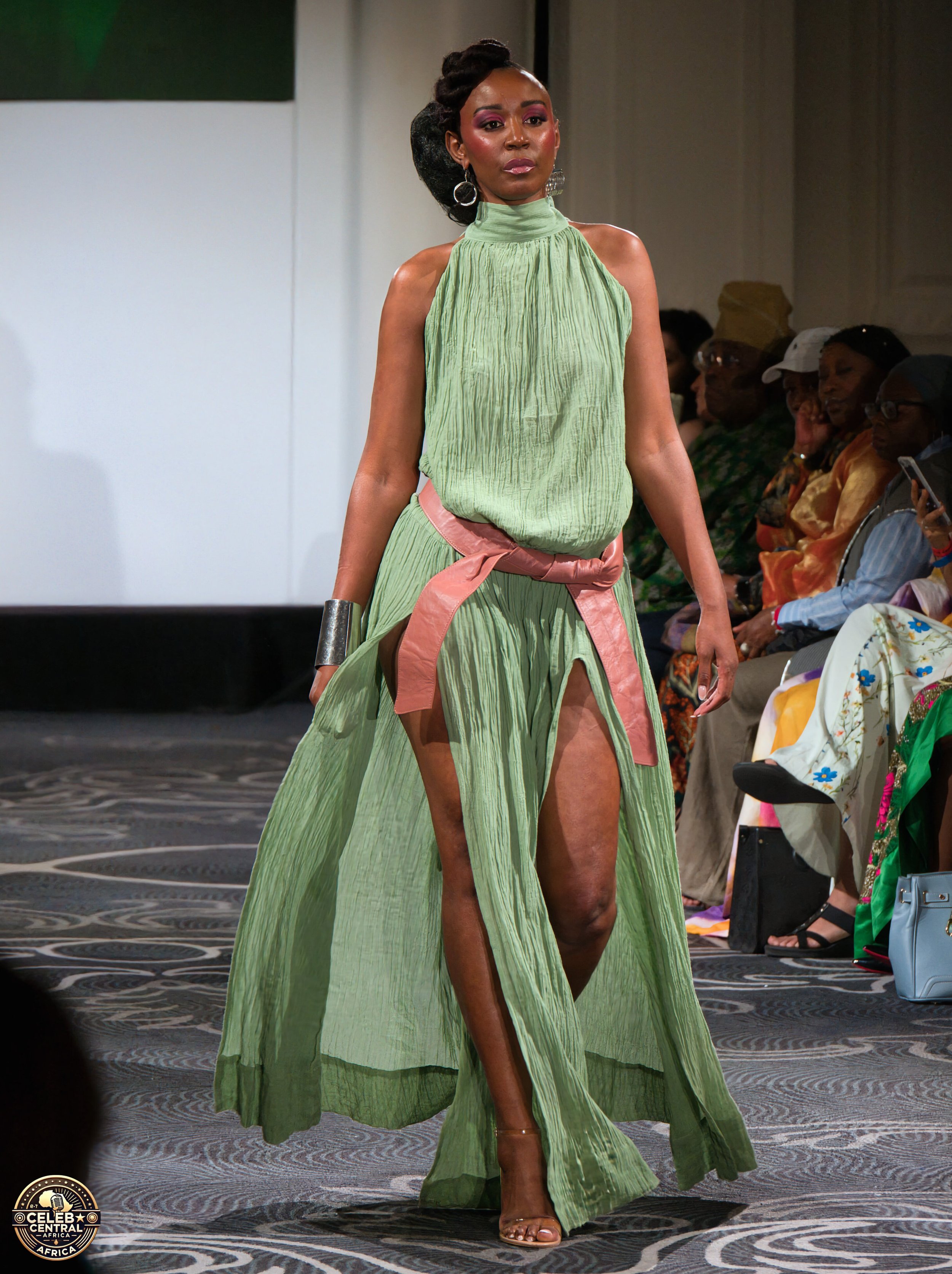
Mastewal Alemu is a contemporary Ethiopian fashion brand founded in 2021 and based in Addis Ababa. The label has become a rising name in sustainable African luxury, specialising in high-end womenswear that blends modern design with Ethiopian craftsmanship.
The collection is handwoven on traditional looms by local artisan weavers. The brand works closely with artisans to help preserve traditional techniques while building a more sustainable fashion ecosystem across Africa.
Mastewal Alemu has already picked up international recognition, with features in publications like Vogue and Elle, and has shown collections at Milan Fashion Week for three seasons running.
"Inspiration for me is exploring our heritage and culture, adding value to it, and making local resources globally desired fashion pieces, and through that changing lives and making sure that we are always sustainable as an African brand; that's why we are fashion with purpose. Mastewal is beyond fashion," - Mastewal, founder.
The brand is supported by the British Council's Creative DNA programme.
Photos by Celeb Central
Matheo - Rwanda
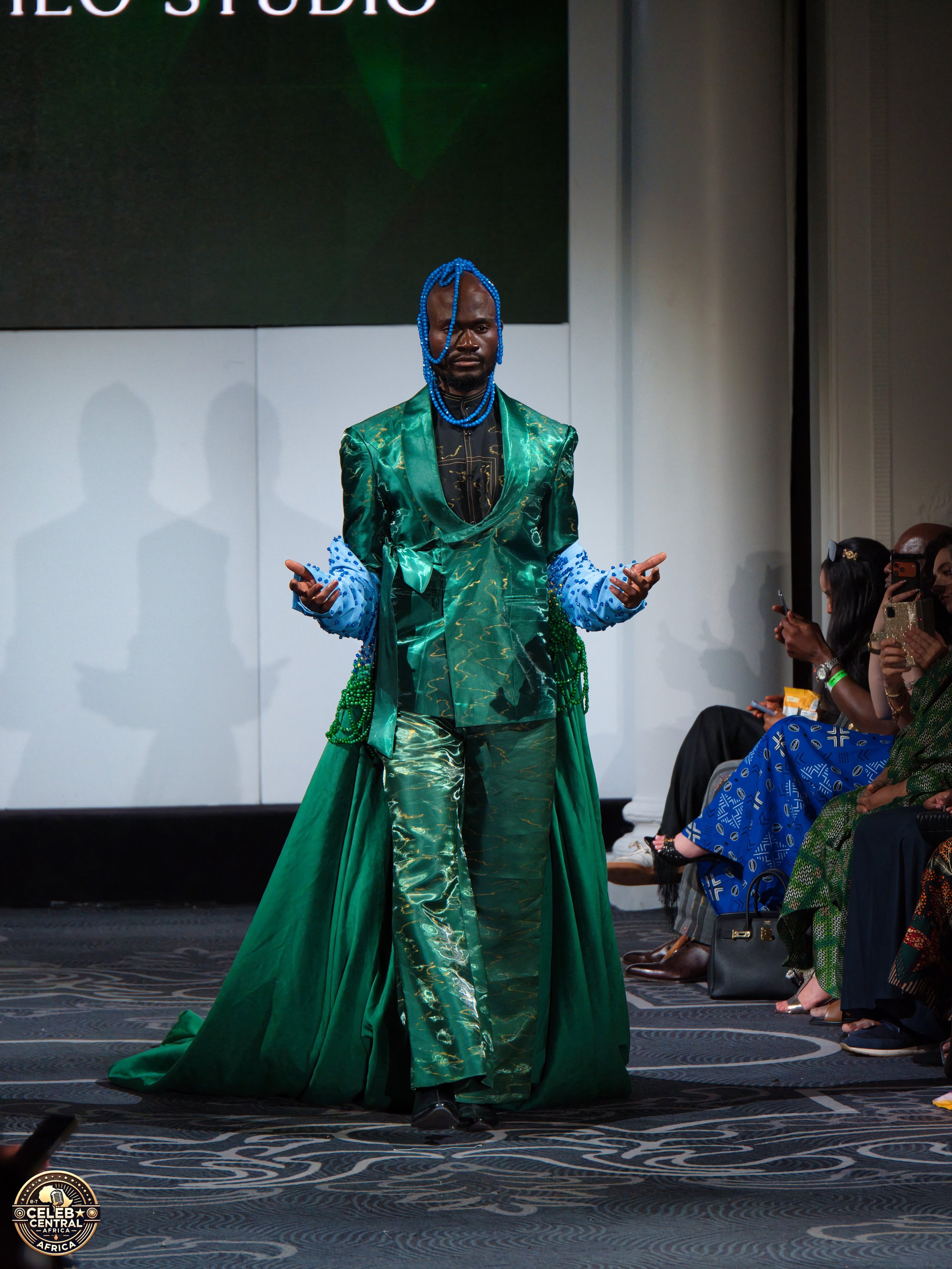
Matheo Studio is a brand springing out from Rwanda, belonging to a new generation of African designers who treat fashion as more than clothing, using it to tell stories, make art, and speak on culture, unapologetically. Rwandan designer Maurice Niyigena founded the label in Kigali, and it's since built a name for bold, futuristic designs that pull from African history and craftsmanship in equal measure.
"My brand is much inspired by African culture; I started my brand to celebrate and tell different African stories through wearable art," says Niyigena.
The brand has appeared at major events like Mercedes-Benz Fashion Week Kigali, as well as international showcases tied to New York Fashion Week, putting Rwanda's design scene on the map internationally. Its recent collection, Rebirth of Rwanda, digs into themes of healing and identity through dramatic, handcrafted pieces, made from recycled and sustainable materials. The brand is supported by the British Council's Creative DNA programme.
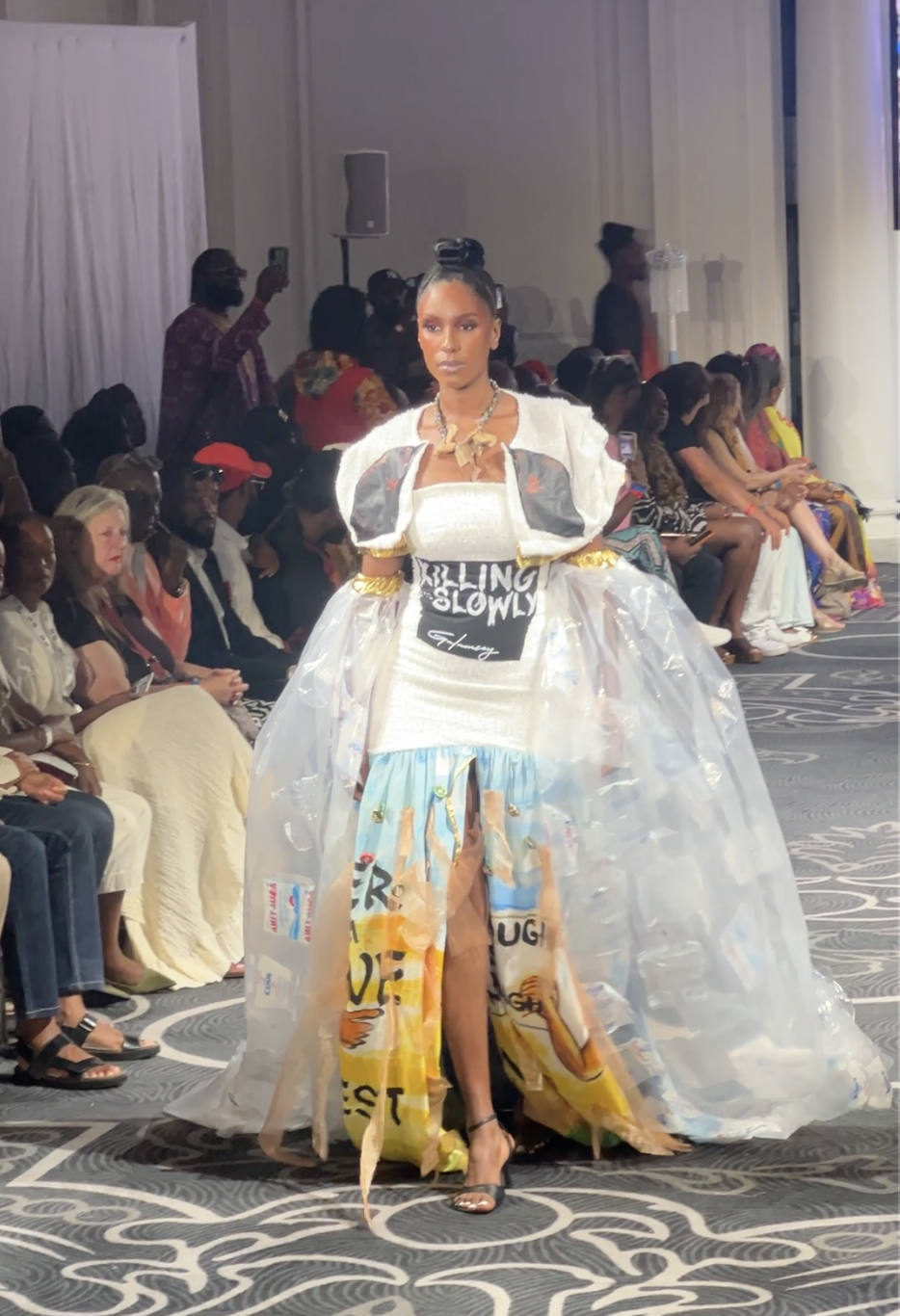
Republic of Africa - Ghana
There is a very strong and important message behind Republic of Africa. It was built by a group of young people who believe deeply in Africa's potential. The label sees fashion as more than clothing: garments are meant to act as daily reminders of identity, while profits are channelled into ideas and movements tackling some of Africa's biggest challenges. That activist edge came through clearly on the runway, with one piece bearing the words "Killing Us Slowly," and several designs carrying elements that stand as a direct critique of today's systems. The brand focuses on highlighting and celebrating Africa's resources and richness.
"Through Republic of Africa, what we are trying to build is the collective self-belief in Africa, because we think that the biggest problem that plagues the continent is a lack of belief, and it is the lack of belief that we can thrive together that fuels things like corruption, that fuels people migrating through crazy means and die trying to get out, because we do not believe we can thrive together on the continent. We are using the business of fashion to build a very powerful force of people who believe in Africa, who actively work together to create the change that we want." - Awura Abena Agyeman, co-founder
At its core, the project is about restoring collective self-belief across the continent, at what its founders see as a defining moment for Africa's next generation.
These five brands and the many others that showcased on and off the runway, exemplify just how wide the African fashion scene really is. It is rooted in heritage, but looking forward. AFWL2026 was proof that the continent's next generation of designers aren't just joining the global fashion conversation, they are confidently shaping it, unapologetically.